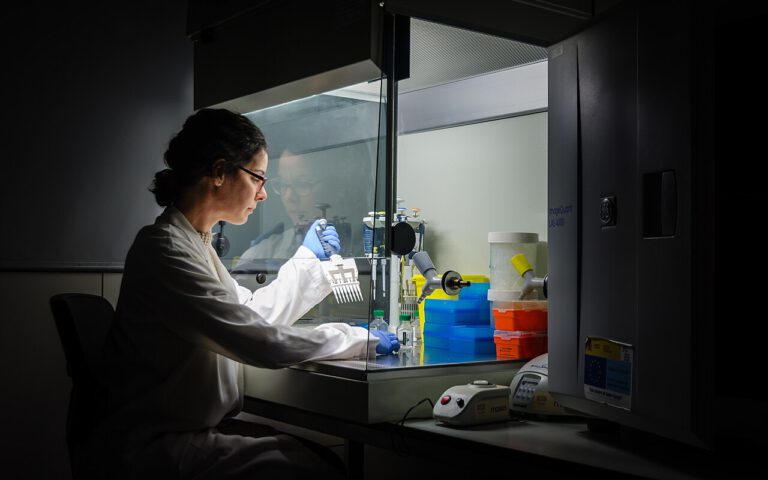
Open Science Is Becoming Research Infrastructure
UNESCO’s new open platform shows why repositories alone are insufficient: metadata, licensing, incentives and institutional capacity determine whether knowledge can travel.

UNESCO’s new open platform shows why repositories alone are insufficient: metadata, licensing, incentives and institutional capacity determine whether knowledge can travel.

ILO Convention No. 193 creates the first global framework for platform work, moving classification, algorithms, safety and deactivation into core operating governance.

New WMO findings show why dust belongs in risk planning: it disrupts health, transport, agriculture and energy far beyond the drylands where storms begin.
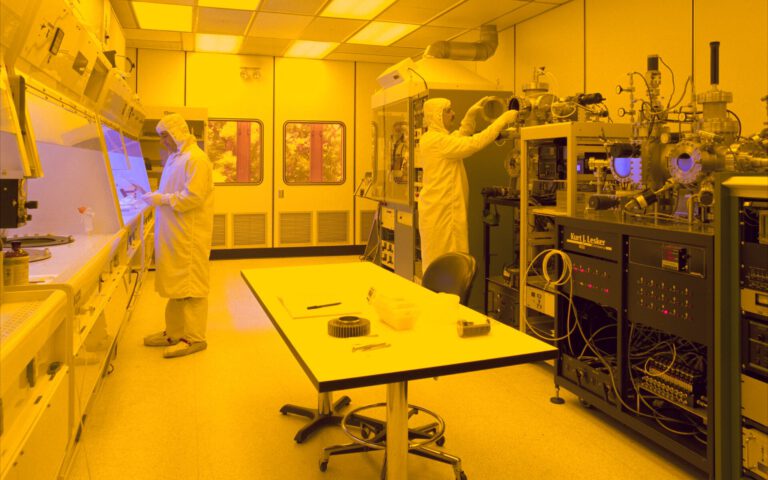
The FDI rebound is concentrated in strategic sectors, megaprojects and a small group of host economies, changing how companies and governments compete for productive investment.
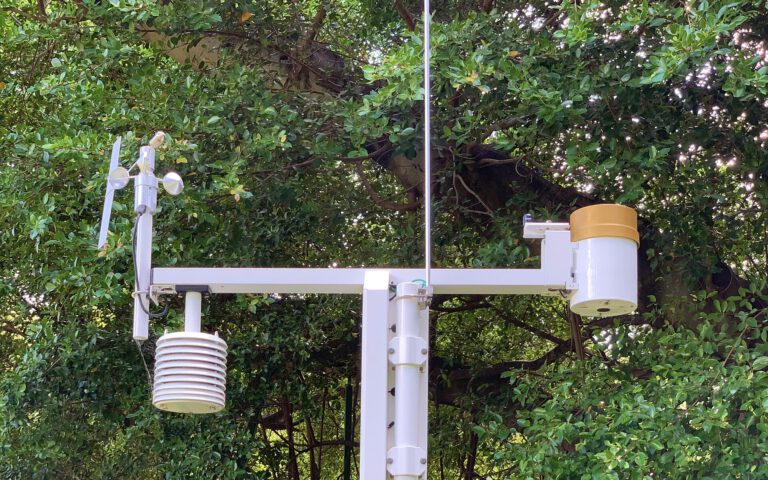
Open meteorological AI models promise faster, cheaper forecasting, but observations, verification, human authority and last-mile communication will determine their public value.
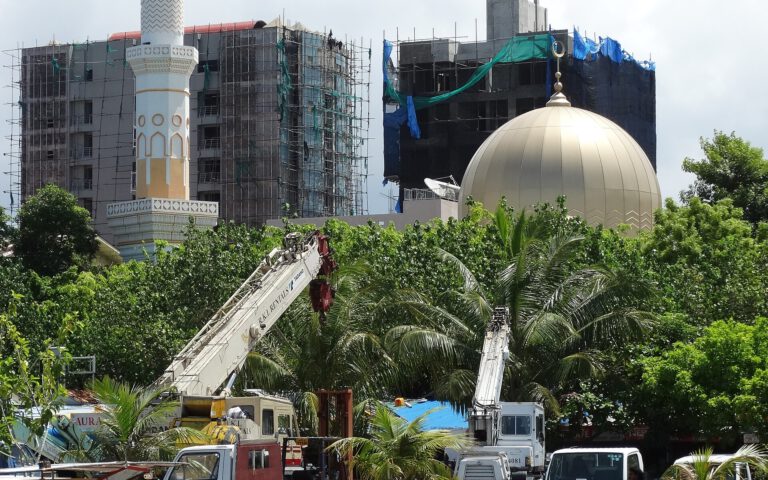
The new Borrowers’ Platform is moving from launch to practical cooperation, testing whether shared expertise can improve debt resilience without becoming a restructuring bloc.
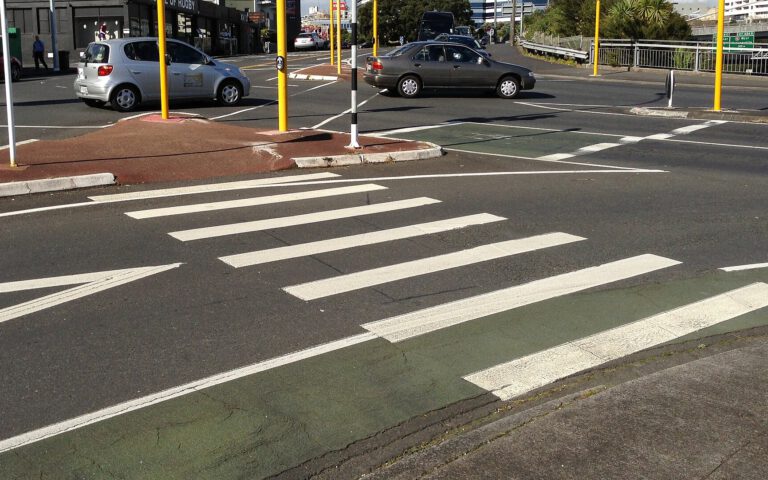
A 21% decline in the global road-death rate proves progress is possible, but uneven results show why safer mobility depends on design, standards, data and employers.
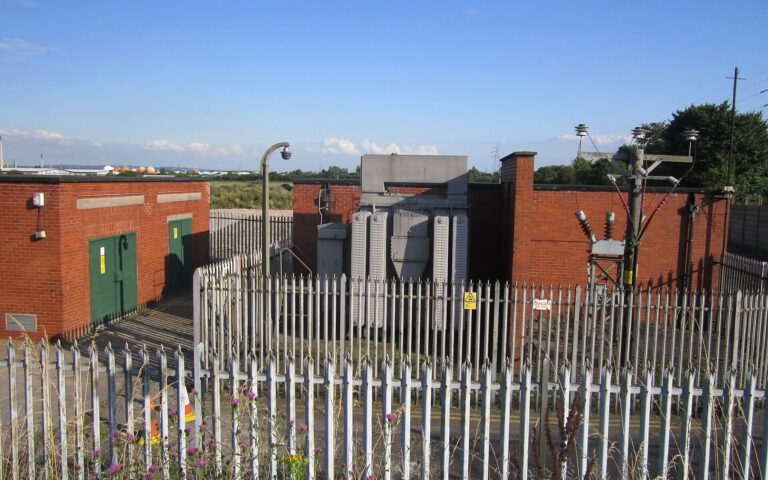
Power demand is accelerating while gas shocks, heat and uneven grid capacity expose a new operating reality: electricity strategy is now resilience strategy.
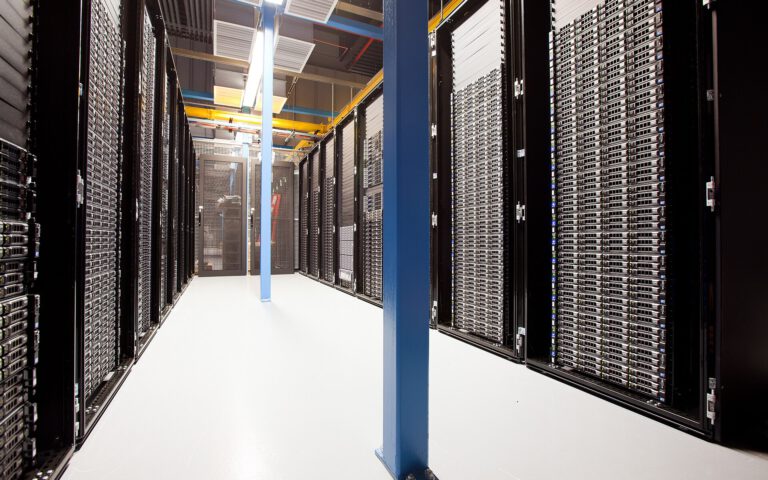
New OECD evidence suggests AI markets remain dynamic but uneven. The strategic contest now spans patents, cloud access, distribution, acquisitions and customers’ ability to switch.
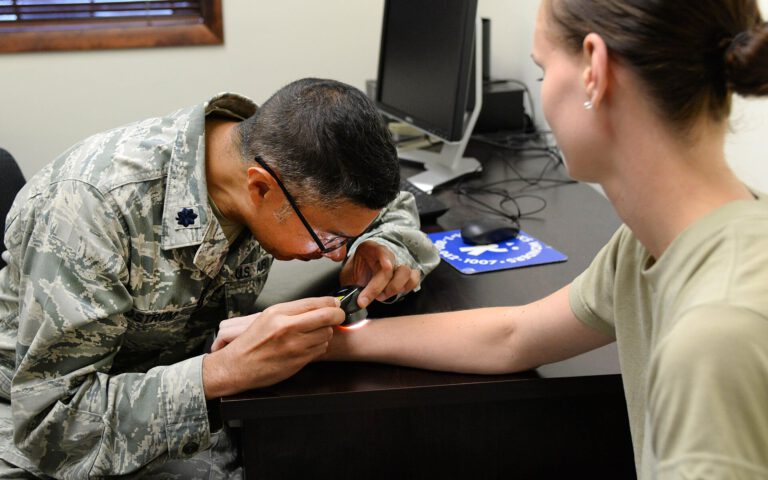
WHO’s new global assessment shows why scientific progress alone cannot close the cancer gap: diagnostics, workforce, data and financial protection determine who benefits.