
The global infrastructure landscape is undergoing a profound structural shift as industrial energy demand pivots from traditional manufacturing toward hyper-scale computing and high-density data processing facilities. Across major economies, regional electric grids designed for twentieth-century consumption patterns are experiencing unprecedented load growth. This rapid acceleration is creating acute operational friction between digital expansion goals, environmental mandates, and domestic utility affordability. As energy capacity limits emerge as the primary constraint on strategic growth, grid policy has moved from background technical governance into a central political flashpoint.
The Industrial Compute Surge Meets Sovereign Energy Limits
In the United States and other advanced economies, the rapid expansion of data centers has triggered an intense national debate over resource allocation and grid stability. Facilities that once required modest electrical connections now request multi-gigawatt power allocations, threatening to outpace existing transmission capacity and strain regional utility networks. In several political districts, candidates and municipal planners face mounting pressure from constituents over localized electricity rate increases, land-use concessions, and elevated water consumption required for evaporative cooling systems. What was once viewed as quiet digital background infrastructure has become a prominent campaign issue ahead of midterms, forcing policy makers to balance technological competitiveness against community resilience and utility cost management.
The core challenge lies in the physical realities of electricity generation and high-voltage transmission delivery. Modern computing clusters require continuous, uninterrupted baseline power. However, adding significant firm generation to an electrical grid requires years of structural planning, environmental impact assessment, supply chain procurement for specialized high-voltage transformers, and complex regulatory approval. As interconnection queues stretch to nearly a decade in major power markets, tech operators and utility providers are caught in a structural bottleneck where digital compute expansion far outpaces the physical infrastructure required to energize it.
Legacy Extraction and the Transition Paradox
This operational strain on power grids occurs simultaneously with fierce geopolitical and domestic debates over primary energy supply. Upstream oil and gas assets, such as the North Sea Rosebank offshore field, highlight the enduring political volatility surrounding energy policy. While governments aim to transition toward lower-carbon electricity networks, the immediate operational reality requires substantial firm generation capacity to back up variable renewable sources and power critical infrastructure networks. The political storm surrounding offshore extraction illustrates the fraught balance between maintaining immediate energy security, satisfying expanding power demands, and fulfilling long-term statutory decarbonization commitments.
Strategic Recalibrations for Grid-Dependent Enterprises
For enterprise decision-makers, grid operators, and infrastructure investors, navigating this power-constrained environment demands a fundamental shift in capital planning. Access to real estate and capital is no longer sufficient for project execution; securing firm, high-voltage utility interconnects has become the paramount operational bottleneck. Organizations across the digital and energy sectors are being forced to adapt their business models to account for persistent energy scarcity and heightened regulatory scrutiny. Key strategic recalibrations currently taking shape across the market include:
- Co-location with dedicated generation: Entering direct power purchase agreements, constructing direct-wire connections to nuclear or geothermal assets, and integrating microgrid infrastructure to bypass public grid interconnection delays.
- Dynamic demand response and load management: Deploying utility-scale battery energy storage systems and implementing flexible computing algorithms that automatically reduce workload intensity during peak grid stress periods.
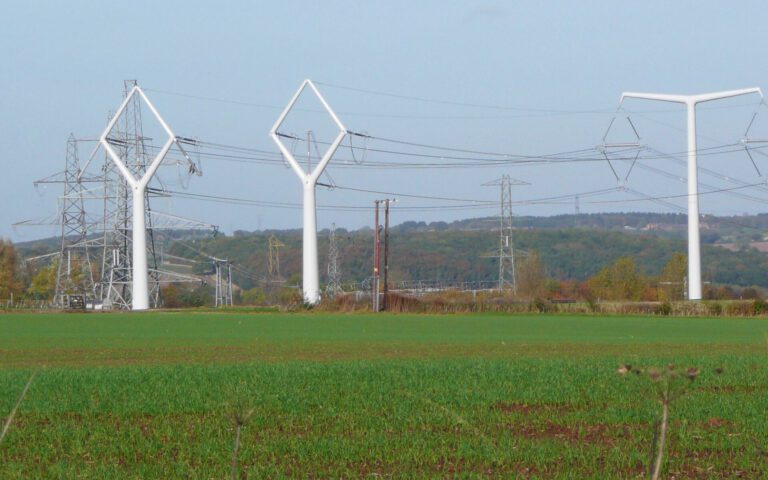
- Transmission advocacy and regulatory reform: Lobbying for accelerated regulatory approval pathways for high-voltage direct current transmission lines and advanced grid-enhancing technologies.
The Physical Imperative for Resilience
Ultimately, the rate-limiting step for next-generation economic growth is not software capability or capital availability, but the physical capacity of electricity generation, transmission lines, and utility substations. Until regulators and energy providers execute comprehensive grid modernizations, power availability will remain the decisive constraint on industrial and digital development. Nations and regions that successfully align their energy infrastructure with burgeoning demand will secure a significant competitive advantage, while those burdened by gridlock face escalating costs, voter backlash, and persistent power fragility.