As northern hemisphere countries prepare for the peak demand of the winter heating season, national energy system operators and offshore producers are confronting a complex operational reality. The ongoing debates surrounding untapped major offshore assets—such as the Rosebank field in the North Sea—highlight how European nations remain deeply reliant on traditional fuel extraction timelines even as electrical grid operators attempt to manage increasingly variable power supplies. The dual imperative of securing short-term energy reserve margins while navigating long-term regulatory uncertainty reflects a delicate structural equilibrium between immediate grid resilience and broader energy system transformation.
Operational Resilience and Seasonal Grid Pressures
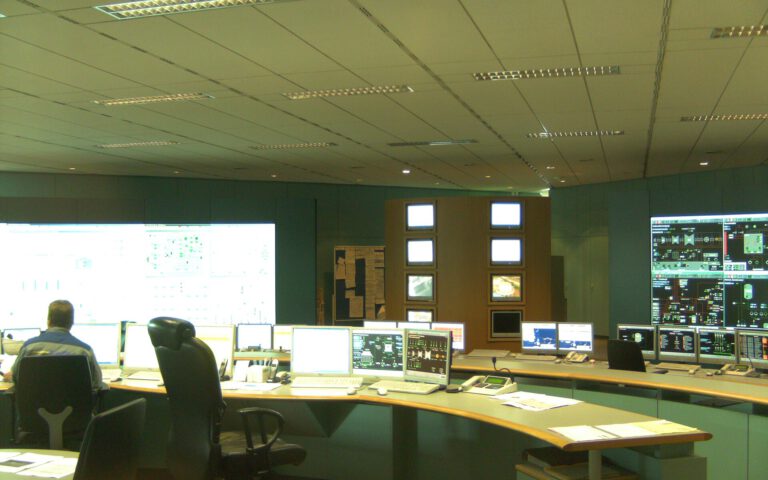
Maintaining baseline power security during winter requires intense coordination across generation, storage, and cross-border transmission networks. The National Energy System Operator (NESO) in the United Kingdom recently provided formal assurances that power supplies will remain sufficient to prevent blackout conditions throughout the coming months. However, these assessments follow significant internal scrutiny from power systems engineers regarding peak load management, interconnector flow dependencies, and the availability of dispatchable back-up capacity during severe cold spells.
Ensuring grid reliability requires balancing rapid fluctuations in demand with controllable thermal generation and battery storage facilities. While system operators express confidence in overall supply adequacy, the operational buffer depends heavily on predictable primary fuel deliveries and fully functional transmission infrastructure. Any unpredicted interruptions in gas supply lines or interconnector cables can rapidly compress system margins, forcing grid managers to utilize expensive demand-side response protocols or standby generation units to maintain grid frequency.
The Capital and Regulatory Friction in Offshore Hydrocarbons
Concurrently, the strategic landscape surrounding major offshore extraction ventures illustrates the ongoing capital dilemma facing energy developers and state regulators. Assets like the offshore Rosebank field represent multi-billion-dollar investments designed to maintain regional hydrocarbon output and reduce reliance on volatile international liquefied natural gas (LNG) markets. Yet these projects face lingering political, legal, and environmental challenges that complicate corporate planning and long-term infrastructure investment.
For energy majors and offshore engineering contractors, navigating protracted approval processes creates substantial financial exposure. Supply chains, specialized offshore support vessels, and processing infrastructure require years of capital commitment before initial production yields return on investment. While advocates stress that domestic field development enhances regional energy security and generates significant domestic industrial activity, critics point to the long lead times and high capital intensity at a time when energy policy is officially directed toward aggressive carbon reduction targets.
Infrastructure Interdependence and System Transition
This structural friction between immediate grid stabilization and long-term extraction policy underscores a fundamental reality of modern energy systems: physical infrastructure transitions operate on long horizons. European utilities and grid operators are channeling extensive investment into high-voltage direct current (HVDC) lines, offshore wind connections, and utility-scale energy storage. However, the physical inertia of existing fossil fuel infrastructure continues to serve as an indispensable anchor for baseload stability.
During extended periods of low wind yield or prolonged freezing weather—often referred to as Dunkelflaute events—power networks rely heavily on gas-fired generation plants to prevent voltage instability. Consequently, upstream production decisions, gas storage fill levels, and pipeline capacities directly dictate the operational safety margin available to electricity grid controllers. A disruption or slowdown in upstream development or fuel logistics directly impacts the risk profile of downstream electrical distribution networks.
Strategic Imperatives for Industrial and Grid Governance
As winter begins, energy planners and policymakers must balance short-term consumer security against long-term capital allocation strategies. Grid operators require reliable dispatchable assets to ensure system frequency stays within strict operational thresholds, while energy majors demand regulatory predictability before committing long-term capital to capital-intensive offshore platforms and infrastructure.
Resolving these competing pressures requires clear state policy frameworks that harmonize short-term market incentives for reserve power with transparent, long-term rules for offshore production and infrastructure buildout. Until comprehensive storage solutions and grid interconnections reach full maturity, European energy governance will remain characterized by a pragmatic, dual-track reliance on legacy hydrocarbon reserves alongside accelerated grid modernization efforts.
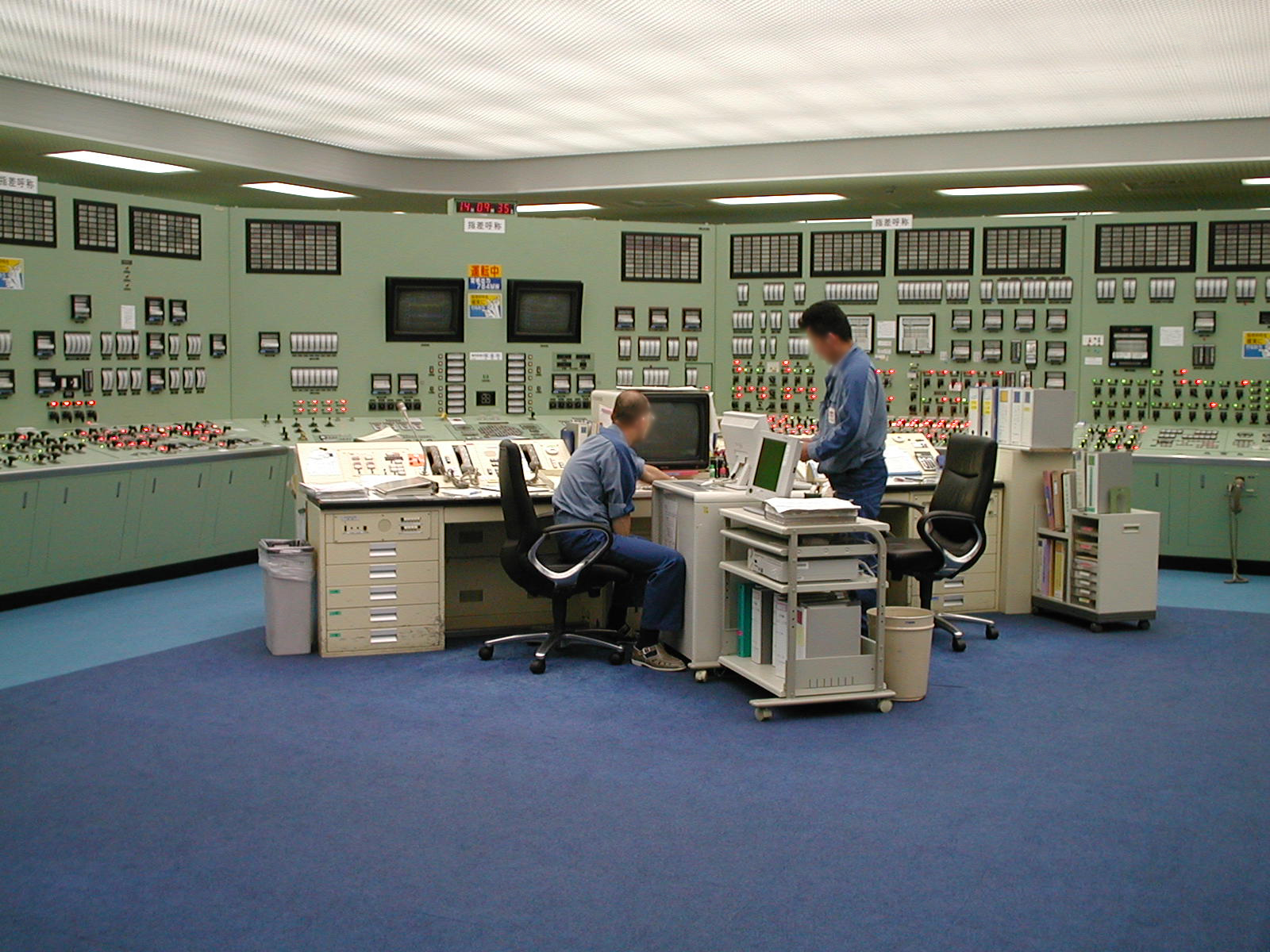
Featured image: kawamoto takuo, licensed BY, found via Openverse.