The global energy trade operates on the fundamental presumption that strategic maritime transit corridors remain open, safe, and predictable. When physical disruptions target narrow geographic chokepoints, the resulting shockwaves spread rapidly through commodity markets, destabilizing energy pricing and forcing major strategic realignments among national governments. Recent developments near the Strait of Hormuz—where reports of targeted vessel attacks reached unprecedented levels within a single week—have forcefully exposed the physical vulnerabilities of international maritime shipping networks. Concurrently, rapid adjustments to sanction policies in major Western capitals, including the temporary relaxation of restrictions on alternative foreign producers, demonstrate how abruptly maritime operational crises can reshape high-level foreign policy decisions.
Maritime Chokepoints Under Acute Kinetic Strain
The Strait of Hormuz remains the world’s most critical oil transit artery, handling approximately one-fifth of global petroleum flows every day. Maritime security agencies reported that twelve commercial vessels were struck within seven days near the waterway, representing an alarming escalation in kinetic threats to international merchant fleets. These targeted strikes have forced commercial vessel operators to alter transit speeds, request naval protection, reroute tankers around longer ocean paths, or anchor outside volatile waters while awaiting clearer security assessments.
The immediate operational consequence of these attacks has been a sharp slowdown in crude oil exports from key Persian Gulf loading terminals. Beyond direct transit delays, maritime insurance underwriting syndicates have swiftly increased war-risk premiums to prohibitive levels, adding substantial friction and expense to every voyage through the region. For energy-importing economies already managing inflationary pressures and delicate balance-of-payments positions, even brief contractions in tanker throughput threaten refinery operational continuity, utility fuel supplies, and domestic industrial production. The crisis illustrates that despite modern digital logistics systems, global energy security remains fundamentally bound to physical geography.
Sanction Realpolitik and Market Stabilization
As kinetic threats in the Middle East constrain export volumes and raise freight costs, political leaders face immediate domestic pressure to maintain energy market liquidity and prevent severe supply shocks. In Washington, President Donald Trump exercised executive authority to temporarily waive several congressional sanctions previously imposed on Russian entities, citing overriding national security imperatives. This regulatory pivot coincided with heightened diplomatic friction over European security, highlighting a pragmatic recalibration of enforcement priority when global crude supplies face active operational bottlenecks.
This policy move illustrates the complex trade-offs inherent in economic statecraft. Sanction frameworks designed to penalize sovereign state actions rely on the assumption of steady secondary supply from non-sanctioned regions. When key maritime trade corridors suffer simultaneous physical disruption, maintaining rigid trade restrictions can inadvertently compound supply deficits, sending global fuel prices soaring to economically damaging thresholds. By temporarily waiving enforcement, governments attempt to insulate domestic consumers and industrial sectors from acute shortfalls, even if doing so generates friction within international political alliances.
Infrastructure Resilience and Strategic Stockpiles
The simultaneous arrival of maritime transit insecurity and fluctuating sanction policy is compelling logistics operators and national energy planners to re-evaluate their systemic resilience strategies. Heavy reliance on single maritime routes for essential energy commodities is increasingly recognized as an unacceptable structural vulnerability. Consequently, sovereign governments across Europe and Asia are reviewing their strategic petroleum reserves, actively pursuing options to expand physical storage capacity near regional refining centers rather than relying exclusively on continuous just-in-time tanker arrivals.
At the same time, commercial maritime carriers are advocating for expanded international naval escorts and standardized emergency response protocols in high-risk transit zones. However, deep-sea naval assets are finite and cannot offer perpetual, vessel-by-vessel protection for every commercial ship navigating crowded waterways. As a result, state-backed energy enterprises are accelerating investments in overland pipeline corridors, expanded storage terminals, and deep-water ports positioned outside vulnerable sea lanes, seeking to diminish their exposure to regional chokepoints.
Rebuilding Governance for Global Logistics Corridors
The dual challenges facing global energy transit underscore a broader transition in international commerce. Physical corridor security can no longer be isolated from diplomatic strategy or regulatory flexibility. As grey-zone maritime threats and asymmetric warfare tactics become more prevalent along crucial trade routes, existing international agreements governing maritime navigation require operational updates and clearer enforcement mechanisms.
Ultimately, long-term energy stability will depend on building genuine physical redundancy across transport systems, deploying responsive maritime security assets, and maintaining pragmatism in international trade regulation. Until global supply chains diversify their physical transit routes, the global economy will remain acutely exposed to operational disruptions at a small handful of critical maritime bottlenecks.
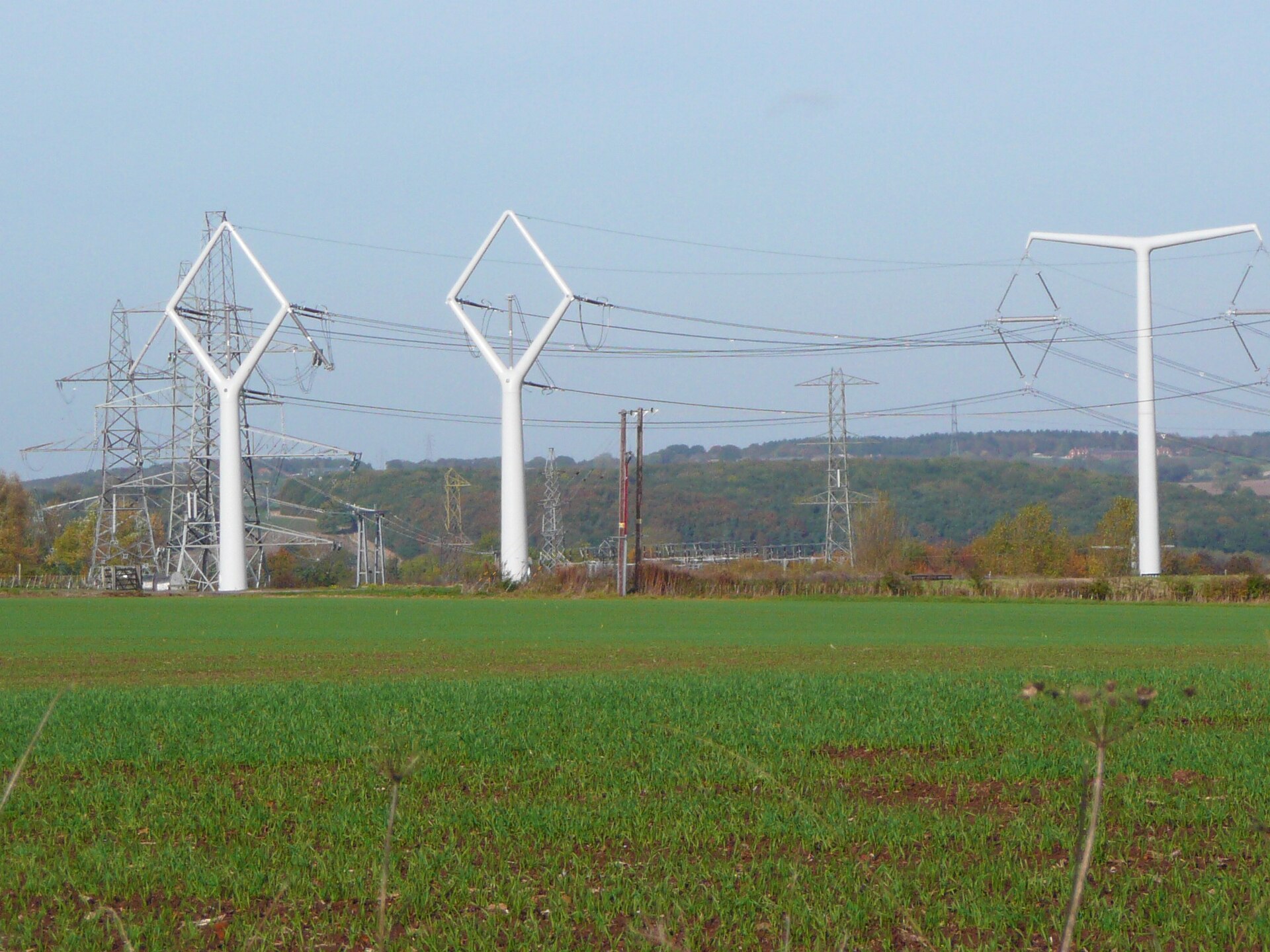
Featured image: Humphrey Bolton, CC BY-SA 2.0, via Wikimedia Commons.