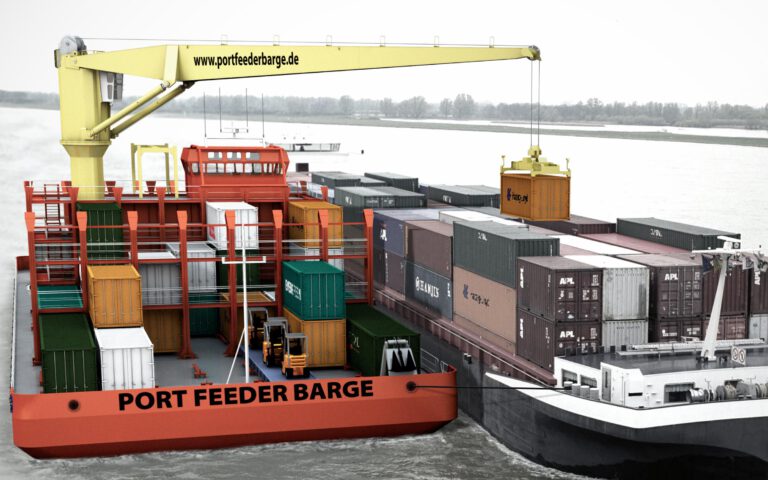
Infrastructure Capital Is Becoming the New Operating Constraint
A more volatile global economy is turning ports, grids, transport corridors and financing capacity into strategic constraints for companies and governments.

Insights
A more volatile global economy is turning ports, grids, transport corridors and financing capacity into strategic constraints for companies and governments.
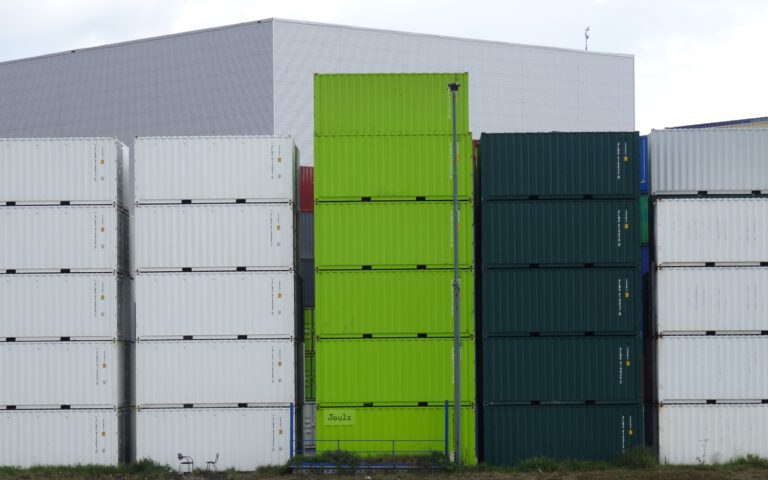
Sovereign buyouts of cancelled infrastructure assets and unexpected employment contractions signal a shift in how political risk, enterprise capital, and public budgets intersect.

The FDI rebound is concentrated in strategic sectors, megaprojects and a small group of host economies, changing how companies and governments compete for productive investment.

WHO’s new global assessment shows why scientific progress alone cannot close the cancer gap: diagnostics, workforce, data and financial protection determine who benefits.
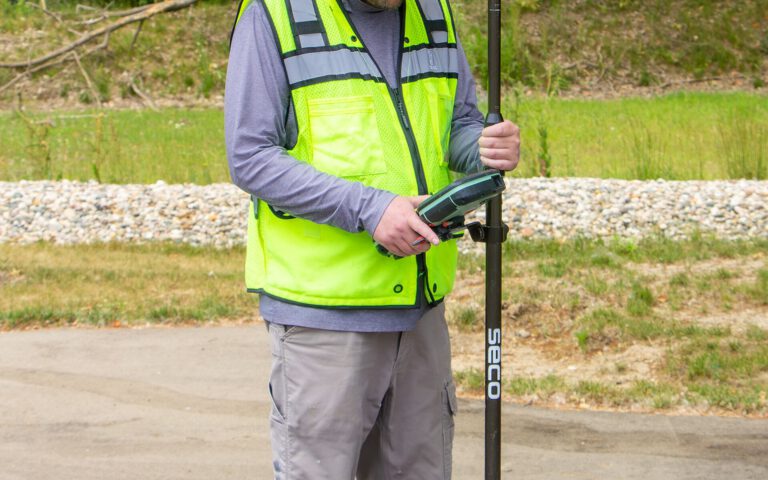
As UN geospatial experts convene in New York, the strategic issue is not better maps alone but the shared location data that makes services, logistics and resilience work.
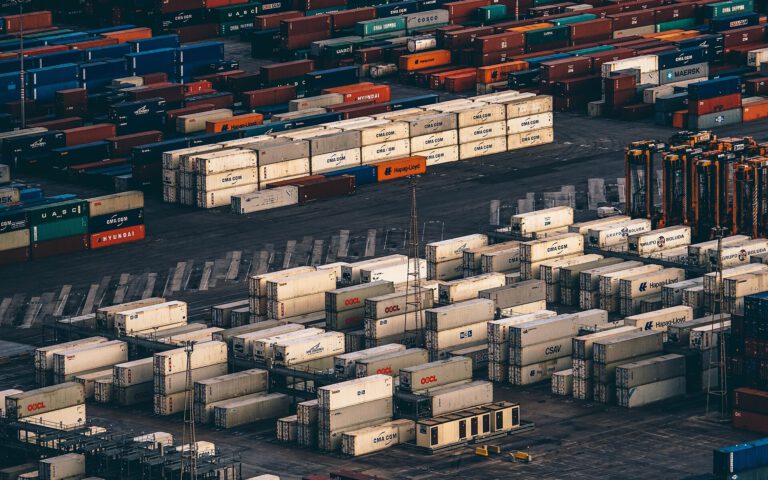
UNCTAD expects record trade value in 2026, but higher prices and concentrated technology demand mean the headline is stronger than the underlying expansion.

Technology investment is accelerating in parts of the economy while households and traditional industries face a more uneven reality.
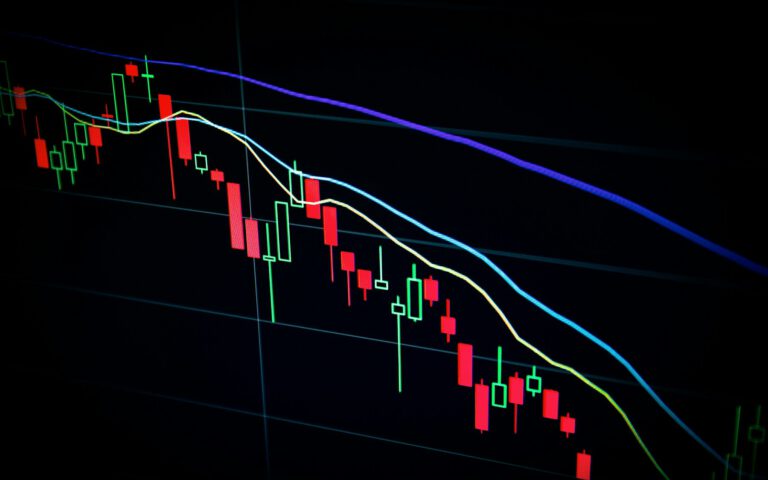
Tokenization is moving beyond experimentation as institutions reconsider how money, assets, and settlement should work.
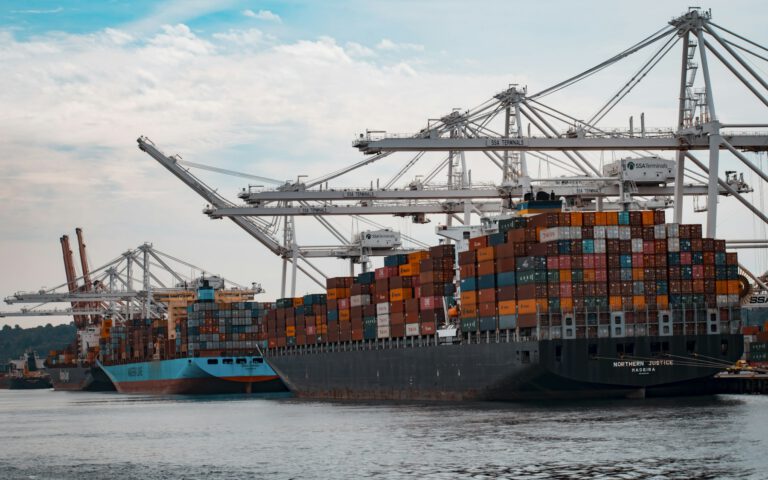
Resilience is replacing pure efficiency as tariffs and industrial policy reshape where companies build, buy, and invest.