Global growth is increasingly shaped by a constraint that is easy to understate: the physical and financial capacity of infrastructure. Ports, power grids, rail systems, logistics hubs, data networks and public utilities are no longer background systems that companies can assume will expand on schedule. They are becoming active determinants of where investment goes, how resilient supply chains feel, and how quickly economies can absorb new technology.
This matters because several economic transitions are converging at once. Trade remains large, but it is more exposed to rerouting, higher insurance costs, energy disruption and geopolitical risk. Electricity demand is rising as data centres, electrification, cooling and industrial activity add load to networks that were often planned for a slower era. Governments are also operating under tighter fiscal conditions, which makes every infrastructure promise compete with debt service, social spending, defence and climate adaptation.
The result is a more disciplined capital environment. Organisations can still announce ambitious projects, but the decisive question is becoming whether the surrounding system can support them.
Infrastructure Is Now Part of Market Selection
For years, many companies treated infrastructure as a location variable: useful to examine, but secondary to labour cost, tax incentives and access to customers. That hierarchy is changing. A factory that cannot secure reliable electricity, a data centre delayed by grid queues, or a logistics operation exposed to port congestion may lose much of the advantage created by subsidies or lower wages.
Infrastructure also affects the timing of returns. Capital-intensive projects are vulnerable when connection dates, permitting schedules or transport reliability shift after commitments have been made. A delay of months can change financing costs, supplier contracts and customer expectations. In a higher-rate world, idle capital is not merely inconvenient; it weakens the economics of the project itself.
This is why infrastructure due diligence is moving closer to board-level strategy. Leaders need to ask not only whether an asset can be built, but whether the systems around it have spare capacity, credible expansion plans and governance strong enough to deliver.
The Financing Problem Is Operational
Public finance is under pressure in many economies, while private investors are more selective about risk. That combination can slow the renewal of precisely the systems that growth depends on. The World Bank has warned that weaker investment and tighter financial conditions can limit development prospects, especially where infrastructure gaps already reduce productivity. For businesses, that is not an abstract macroeconomic concern. It shows up in unreliable power, slower logistics, higher inventory buffers and greater exposure to single points of failure.
The financing challenge is also becoming more political. Governments want strategic industries, cleaner energy systems and more resilient supply chains, but they must decide which corridors, grids and public assets deserve priority. Those choices can tilt entire regions toward or away from investment. Companies that understand the public-capital pipeline may see opportunities earlier than competitors that look only at headline incentives.
Resilience Requires Capacity, Not Only Redundancy
Supply-chain resilience is often discussed as diversification: more suppliers, more routes, more inventory. Those tools matter, but they are less powerful when the alternative infrastructure is thin. A second port does not help much if it lacks rail links, customs capacity or storage. A second electricity supplier cannot solve a transmission bottleneck. A second country in a sourcing map may still depend on the same shipping lanes, minerals, finance or digital infrastructure.
The practical test is capacity under stress. How much demand can the system absorb when one route closes, one fuel price spikes, one supplier fails or one grid region is constrained? The answer requires operational data, not slogans. Transit-time variability, outage history, connection queues, insurance pricing and local maintenance capability are now strategic indicators.
For policymakers, the lesson is similar. Infrastructure strategy should not be measured only by megawatts, kilometres or headline spending. It should be judged by whether it reduces bottlenecks, unlocks private investment and improves continuity under disruption.
A More Concrete Form of Strategy
The next phase of competition will reward organisations that connect strategy to physical systems. Digital transformation, industrial policy and energy transition all depend on networks that must be financed, permitted, built, maintained and protected. When those networks fall behind, even good technology and strong demand can stall.
For executives, this means expanding the definition of risk. Infrastructure should sit beside talent, regulation, finance and technology in investment decisions. For governments, it means recognising that credible infrastructure delivery is one of the clearest signals a market can send to long-term capital.
The global economy is not becoming less connected. It is becoming more demanding about the quality of connection. In that environment, infrastructure is no longer merely the stage on which economic activity happens. It is part of the performance itself.
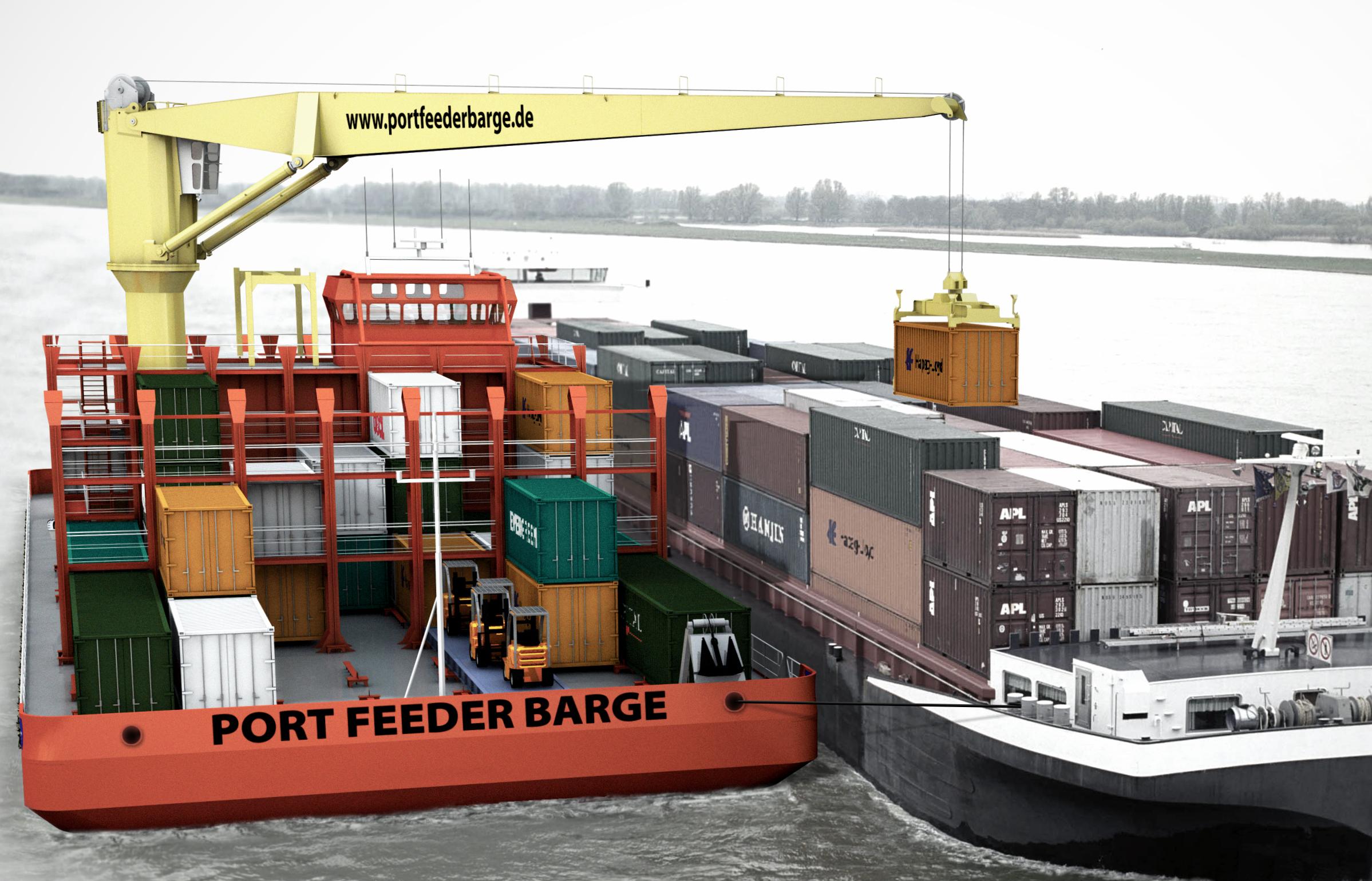
Featured image: Prof. Dr.-Ing. Ulrich Malchow, CC BY-SA 3.0, via Wikimedia Commons.