The global landscape of conflict is undergoing a profound transformation, marked by a disturbing trend: the explicit and increasingly sophisticated targeting of critical infrastructure. A recent, stark illustration of this evolving threat emerged from St. Petersburg, where overnight attacks struck both vital oil facilities and a significant data center. This incident, resulting in casualties and substantial disruption, represents a dangerous broadening of the conflict’s scope, extending beyond traditional military targets to encompass the very sinews of modern society – its energy and digital backbone.
Such attacks are not isolated events but rather indicative of a strategic shift in how adversaries seek to exert pressure and undermine stability. Modern warfare recognizes that crippling an opponent’s ability to power its economy, communicate, and process information can be as effective, if not more so, than direct military confrontation. The interconnectedness of today’s systems means that a strike on one component can trigger cascading failures across an entire network, impacting everything from public services to financial markets.
Ukraine: A Persistent Blueprint for Infrastructure Warfare
For years, Ukraine has served as a grim testament to the devastating impact of sustained infrastructure warfare. Reports from UN human rights monitors consistently highlight the record levels of civilian casualties, directly linked to intensified attacks on the nation’s energy grid. These systematic assaults aim to degrade Ukraine’s capacity to sustain its population and economy, particularly as winter approaches. Power outages, disruptions to heating, and the collapse of essential services become tools of attrition, creating immense humanitarian suffering and forcing mass displacement. The Ukrainian experience has demonstrated how civilian infrastructure, especially energy systems, can become a primary battleground, with profound and lasting consequences for national resilience and human well-being.
The Hybrid Threat: Physical and Digital Convergence
The St. Petersburg incident, however, introduces a critical dimension to this evolving threat: the explicit targeting of a data center alongside energy facilities. This underscores the growing convergence of physical and digital frontlines. Modern energy infrastructure, from oil refineries to power grids, relies heavily on sophisticated digital control systems (SCADA). An attack on a physical facility can be amplified or even initiated through cyber means, while a direct cyberattack on a data center can cripple communication, logistics, and administrative functions crucial for national operations.
This hybrid approach leverages the vulnerabilities inherent in our increasingly digitalized world. By simultaneously targeting the physical assets that generate power and the digital infrastructure that processes and transmits information, adversaries can achieve a more comprehensive and debilitating impact. The destruction of a data center, for instance, can erase critical data, disrupt supply chains, and sever communication links, creating chaos that extends far beyond the immediate blast radius.
Global Implications and Systemic Vulnerabilities
The implications of these broadened assaults extend far beyond the immediate conflict zones. Organizations and nations worldwide operate within a complex web of interconnected energy and digital networks. The tactics observed in Ukraine and now in St. Petersburg expose universal vulnerabilities. A successful attack on a major data center or a key energy hub in any region could trigger widespread economic disruption, paralyze critical services, and erode public trust in the stability of essential infrastructure.
For global businesses, this translates into heightened operational risks, potential supply chain shocks, and the imperative to reassess their resilience strategies. The systemic nature of these threats means that even entities far removed from direct conflict can experience significant collateral damage, ranging from data loss and operational downtime to reputational harm and financial losses.
The Imperative for Integrated Resilience
In response to these converging threats, the imperative for integrated resilience has never been more urgent. Governments and the private sector must collaborate to develop comprehensive security frameworks that address both physical and cyber vulnerabilities. This requires significant investment in redundant systems, robust defensive capabilities, and advanced threat intelligence sharing. Protecting critical infrastructure demands a holistic approach, recognizing that the lines between physical and digital security are increasingly blurred.
Building resilience also involves fostering a culture of preparedness, ensuring that organizations can rapidly detect, respond to, and recover from sophisticated attacks. As the frontlines of conflict continue to expand and converge, the stability of our global systems and the safety of our societies will depend on our collective ability to defend these essential foundations against an evolving array of threats.
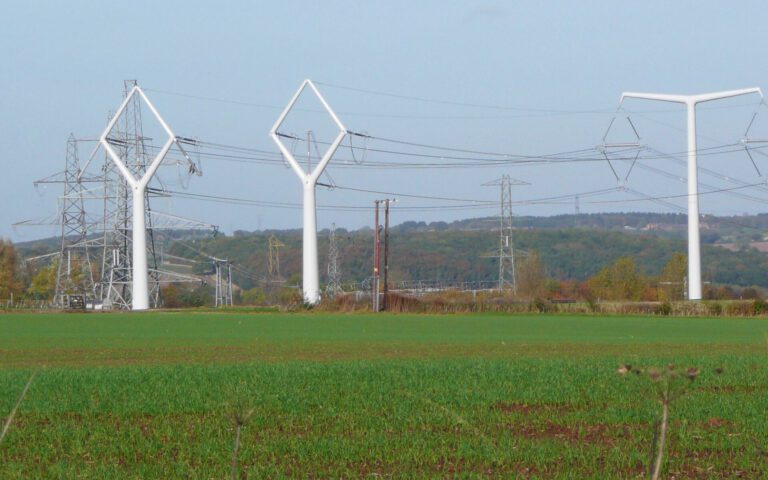
Featured image: Stanley Howe, CC BY-SA 2.0, via Wikimedia Commons.