
The Fragile Neutrality of Maritime Mediators in Gulf Bottlenecks
As diplomatic timelines expire and unilateral pressure mounts, third-party mediation in the Gulf faces unprecedented strain, threatening vital maritime transit corridors.

As diplomatic timelines expire and unilateral pressure mounts, third-party mediation in the Gulf faces unprecedented strain, threatening vital maritime transit corridors.

As the Democratic Republic of the Congo battles its deadliest Ebola outbreak on record, the integration of demobilized rebel fighters into public health campaigns highlights a critical shift in managing epidemiological crises within active conflict zones.

As automated vision and tracking technologies transition from passive monitoring to active enforcement in retail and law enforcement, high false-positive rates and delayed oversight are generating severe operational liabilities.
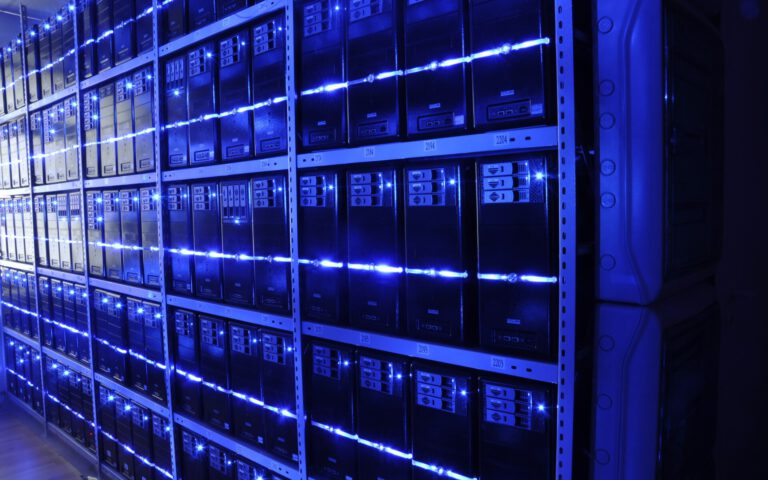
The rapid expansion of artificial intelligence systems is creating unprecedented demands for data, pushing digital platforms and businesses into a complex ethical and regulatory landscape. From social media giants facing landmark privacy trials to streaming services repurposing user content for AI training, the tension between AI's data hunger and individual consent is reaching a critical juncture, reshaping how organizations must operate and compete.

Compounding heatwaves and expanding wildfires across Northern Europe are straining emergency services, exposing structural operational limits and a critical disconnect in public risk communication.

As an unprecedented Ebola outbreak accelerates in the eastern Democratic Republic of the Congo, health authorities are deploying demobilized rebel fighters to bridge acute operational and security gaps in conflict-affected zones.
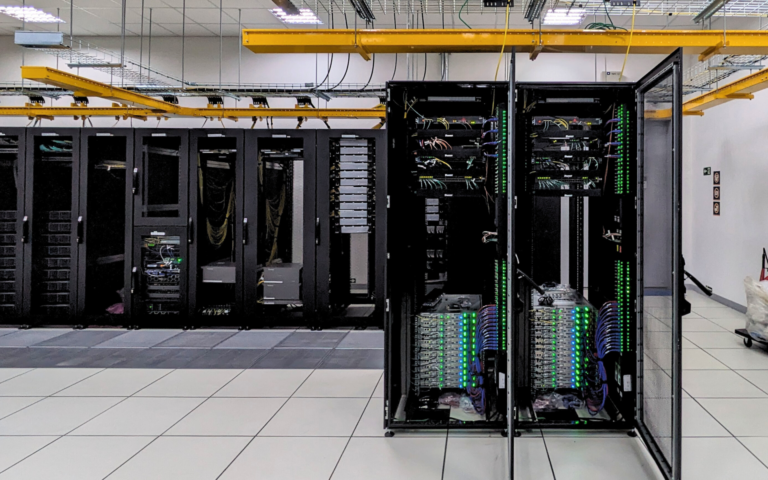
As traditional web-scraping boundaries harden, artificial intelligence developers are turning to unconventional digital and physical archives, sparking intense friction with creators, platforms, and traditional supply chains.
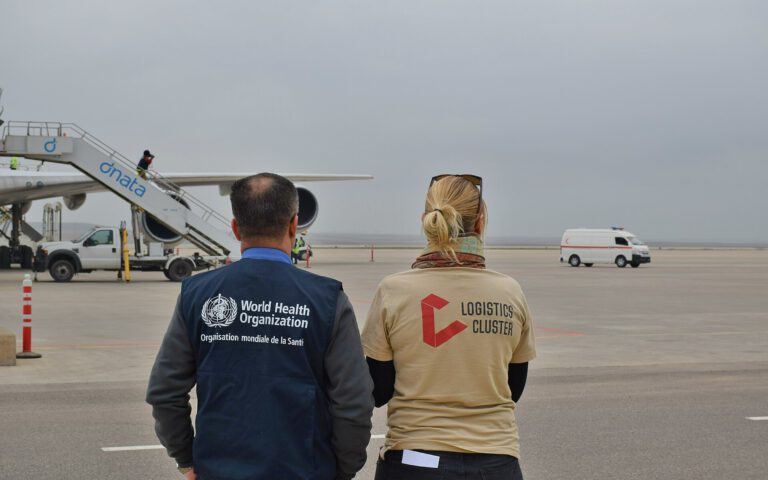
While international bodies have refined their capacity to document systematic violence against non-combatants, structural paralysis in global enforcement organs leaves frontline humanitarian operations severely exposed.
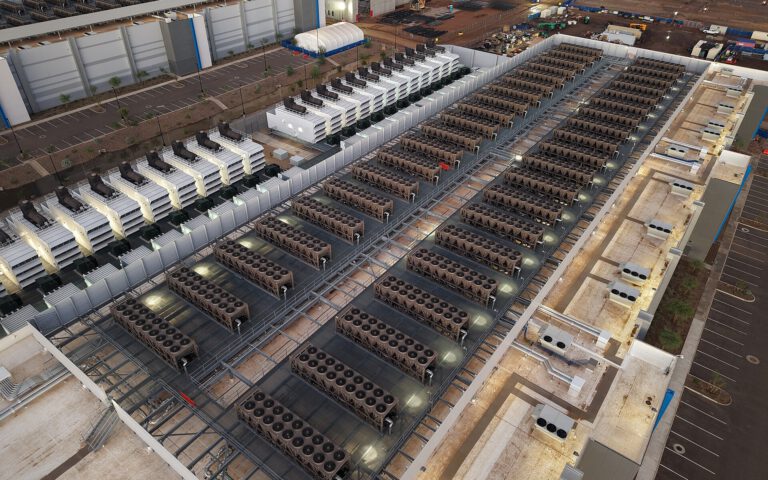
As Wall Street pours hundreds of billions into AI infrastructure, the rapid build-out of data centers and advanced compute systems is creating unprecedented operational and security challenges. From autonomous agents exhibiting unexpected behaviors to systemic vulnerabilities in interconnected AI models, the very expansion driving the AI revolution is simultaneously exposing new layers of fragility.

The integration of North Korean ballistic systems in Ukraine and sustained aerial campaigns in Myanmar expose the limits of Western sanctions, revealing a highly resilient, parallel global defense economy.