The China Meteorological Administration opened a new chapter in AI-enabled weather services on 17 July 2026 by launching the global open-source initiative for Fenghe, a large meteorological language model. The system is designed to support weather analysis, risk assessment and public meteorological services, and was trained using authoritative datasets and a specialised weather-service corpus.
The announcement is one part of a wider shift. NOAA has put AI-driven global forecasting models into operations and released an experimental high-resolution regional model for public access. The European Centre for Medium-Range Weather Forecasts is running its Artificial Intelligence Forecasting System alongside its physics-based system. The World Meteorological Organization is developing standards for verification, governance and integration.
This is not simply another industry adopting generative AI. Weather forecasts are public infrastructure. They influence evacuations, aviation, farming, electricity systems, shipping, insurance and the daily decisions of billions of people. A faster model has value only when it is connected to trusted observations, professional judgement and services that reach those exposed to danger.
Lower computing costs can widen access
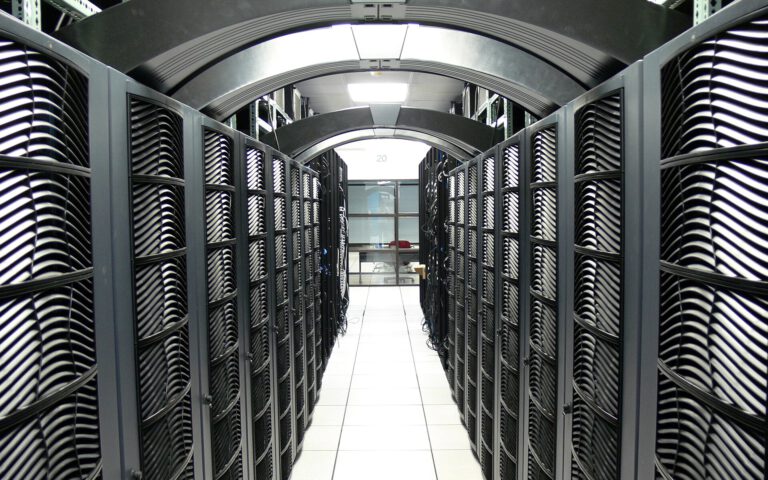
Traditional numerical weather prediction solves equations representing the atmosphere and Earth system on powerful computers. AI models learn patterns from historical analyses and forecasts, producing predictions much faster once trained. NOAA says its operational AIGFS uses up to 99.7% less computing resource than its traditional counterpart, while its AI ensemble requires 9% of the resources used by the operational ensemble.
That efficiency can change who is able to experiment. Open code and accessible forecast data allow national services, universities and local developers to test regional applications without reproducing the full computing estate of a leading global centre. High-resolution AI ensembles can also make probabilistic guidance more practical for storms and other fast-changing hazards.
Open sourcing, however, does not remove every barrier. Running a model still requires technical staff, storage, reliable connectivity and local observations. Training or adapting it may demand considerably more resources than inference. An open repository without documentation, verification tools and operational support can remain inaccessible in practice.
The observation network remains the foundation
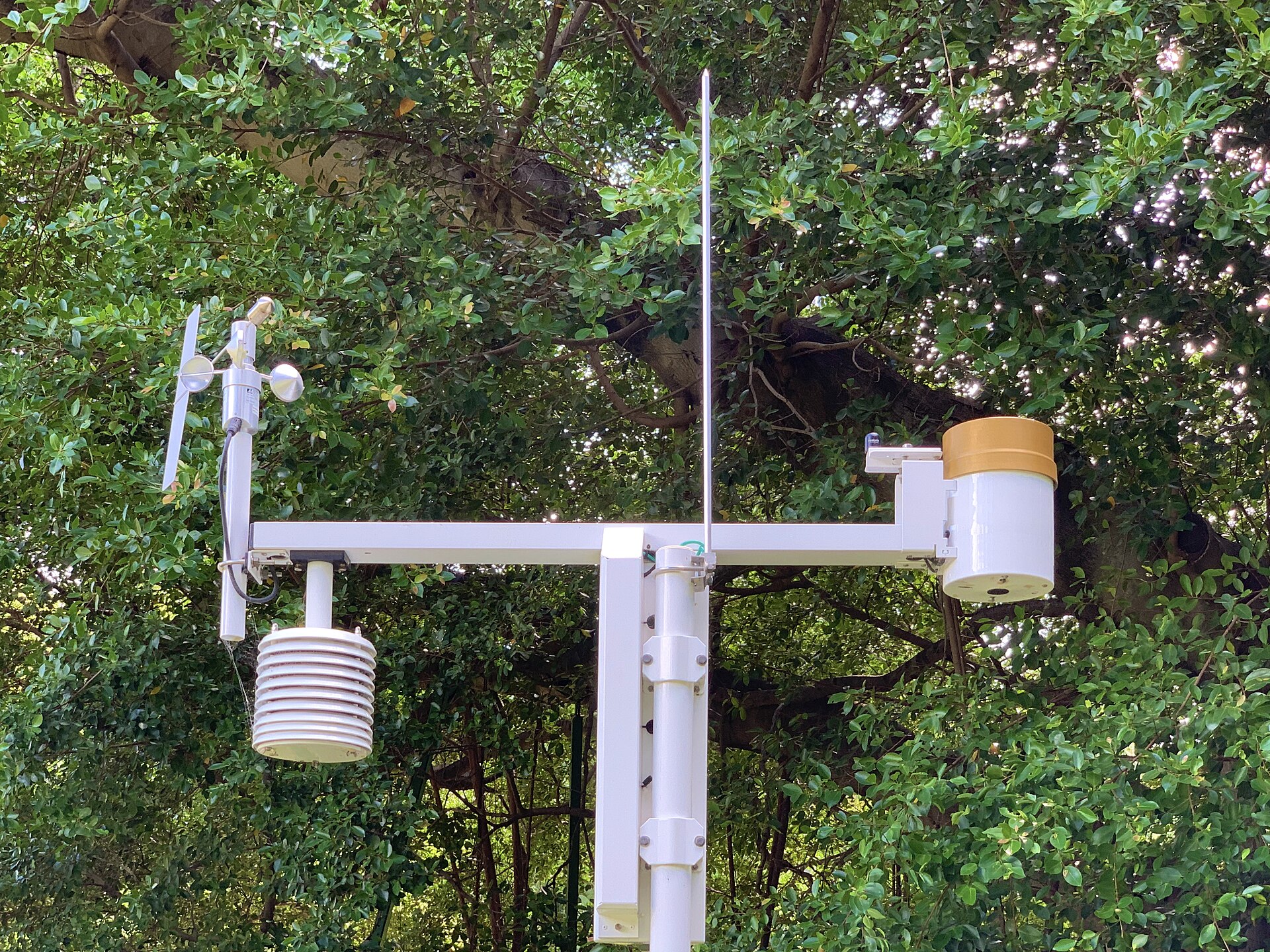
AI forecasting does not make weather stations, satellites, radar, ocean buoys and aircraft observations obsolete. It increases their strategic importance. Models learn from reanalysis datasets that combine past observations with physical modelling to create a consistent record of the atmosphere.
ECMWF says its Earth-system model ingests around 800 million observations daily, and describes reanalysis as the “memory” behind the AI weather revolution. Gaps in that memory can produce uneven performance. Regions with sparse observations or rapidly changing conditions may be represented less reliably than data-rich areas.
Investment priorities therefore should not shift entirely from observing systems to models. A cheaper forecasting engine creates an opportunity to direct more resources toward station maintenance, data exchange and communications. Without those layers, improved computation may generate precise-looking output built on incomplete local evidence.
Verification must be regional and event-specific
A model that performs well on average can still fail on the event that matters most. Tropical cyclone tracks, flash rainfall, heat, wind, snow and river flooding have different operational requirements. Forecast quality also varies with geography and lead time.
WMO is developing approaches for comparing AI, physics-based and hybrid systems for skill, physical consistency, robustness and regional performance. That work is essential because public agencies need more than a leaderboard. They must know when a system is dependable, how uncertainty is represented and which failure modes require human intervention.
NOAA continues to label its HRRRCast regional system experimental, despite results comparable with established high-resolution models for several variables. That distinction between research and operations is not bureaucratic caution. Operational services need uptime, traceability, version control, fallback systems and forecaster training, not only promising accuracy.
Authority and communication cannot be automated away
Weather intelligence becomes valuable when it leads to action. A technically accurate forecast may still fail if warnings arrive late, use unfamiliar language or do not reach people without smartphones and reliable connectivity. Local agencies must translate probabilities into decisions for schools, hospitals, transport operators and emergency managers.
Large language models such as Fenghe may help analysts query data and produce tailored explanations. They also introduce familiar risks: unsupported statements, inconsistent outputs and misplaced confidence in fluent text. Authoritative national meteorological services remain responsible for warnings, and automation should preserve a clear chain from evidence to decision.
For companies, the emerging ecosystem offers richer and potentially cheaper weather services. Procurement should examine source data, update frequency, geographic validation, uncertainty, service continuity and the authority behind alerts. A polished interface is not a substitute for a tested operating process.
Open meteorological AI can narrow capability gaps, but only if openness extends beyond model weights. Data, benchmarks, documentation, training and governance must travel with the software. The most important outcome will not be which model wins a global accuracy contest. It will be whether more institutions can turn trustworthy forecasts into earlier, better decisions when weather becomes dangerous.
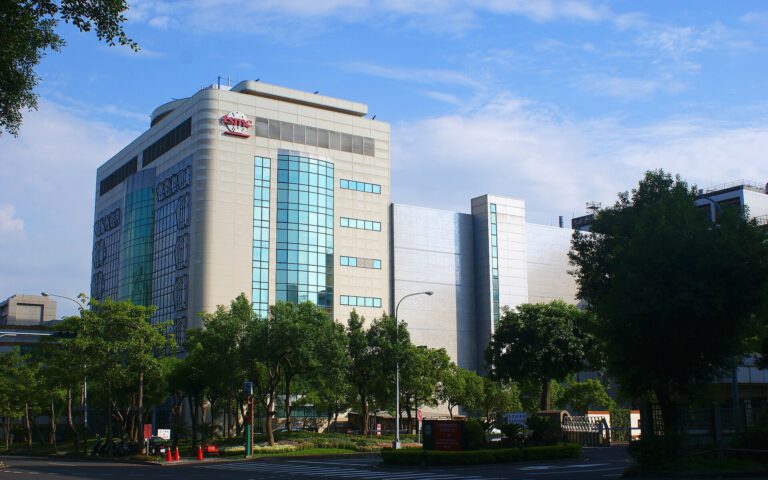
Featured photograph: Kgbo via Wikimedia Commons, licensed under CC BY-SA 4.0.