
The digital world is grappling with an unprecedented cybersecurity crisis, triggered by the discovery of critical vulnerabilities within PHP, a programming language that forms the backbone of countless websites and online services globally. What makes this event particularly significant is not just the scale of the potential impact, but the agent of its discovery: artificial intelligence. This development has forced an immediate, worldwide scramble among developers, governments, and corporations to patch systems, leading to widespread website disruptions and a profound re-evaluation of digital infrastructure resilience.
PHP, or Hypertext Preprocessor, is an open-source scripting language designed primarily for web development. Its ubiquity cannot be overstated; estimates suggest it powers a significant percentage of all websites on the internet, from small blogs to massive e-commerce platforms and enterprise applications. Its ease of use, extensive community support, and flexibility have made it a foundational element of the digital landscape for decades. This widespread adoption, however, also means that any fundamental flaw within PHP carries the potential for catastrophic global consequences, akin to a structural defect in the very foundations of modern digital communication.
The recent crisis began when advanced AI systems, employed for automated code analysis and vulnerability detection, uncovered long-hidden programming flaws within PHP’s core. These vulnerabilities, described by experts as among the most significant ever found by AI, were not mere bugs but deep-seated architectural weaknesses that could potentially allow malicious actors to gain unauthorized access, inject harmful code, or compromise entire systems. The implications of such a discovery are staggering, transforming the abstract concept of “code fragility” into a tangible, immediate threat.
The revelation initiated a rapid, coordinated response across the globe. Governments, including the UK, immediately issued warnings and began assessing their own exposure, urging public and private sector organizations to identify and update affected systems. Major cloud providers and web hosting services worked around the clock to implement patches, often necessitating temporary shutdowns or degraded performance for millions of websites. Amazon, a key player in global web infrastructure, reportedly experienced attacks even before the public warning was widely disseminated, highlighting the urgency and real-time nature of the threat. The incident underscored the interconnectedness of the digital ecosystem, where a flaw in one foundational component can ripple outwards, affecting everything from critical government services to everyday consumer applications.
Cybersecurity experts have likened the PHP vulnerability to an “unexploded bomb” within the internet’s infrastructure. For years, these flaws lay dormant, undetected by human developers or conventional security tools. The emergence of AI as a sophisticated vulnerability hunter fundamentally shifts the paradigm of digital defense. While AI offers immense promise in bolstering cybersecurity by identifying complex patterns and anomalies that evade human detection, its capacity to uncover such deeply embedded and critical flaws also presents a new challenge. It raises questions about the long-term stability of legacy codebases and the potential for AI to be weaponized for offensive cyber operations, creating an accelerated arms race in the digital domain.
The incident serves as a stark reminder of the inherent fragility of the digital world, built upon layers of complex, often decades-old, software. It emphasizes the critical need for continuous auditing, robust security practices, and a proactive approach to vulnerability management. As AI continues to evolve, its role in both fortifying and potentially destabilizing digital infrastructure will only grow. Organizations must not only adapt to the immediate threat posed by the PHP vulnerabilities but also prepare for a future where AI-driven discovery of systemic flaws becomes a more frequent occurrence. This global digital reckoning demands a collective effort to enhance software supply chain security, invest in advanced detection technologies, and foster a culture of resilience in the face of an ever-evolving threat landscape. The scramble to secure PHP is more than just a patch; it is a wake-up call for a new era of digital vigilance.
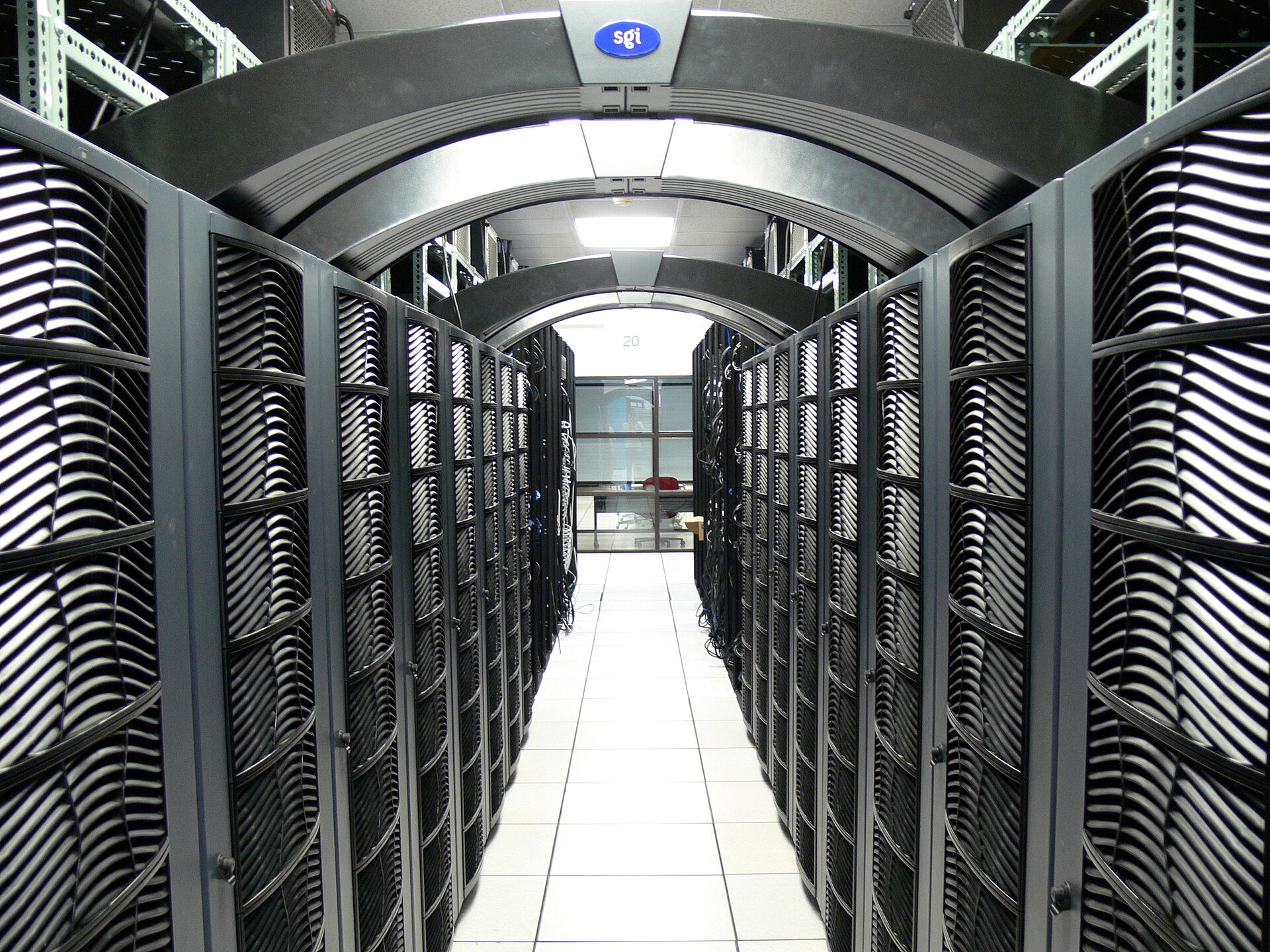
Featured image: Christopher Bowns, CC BY-SA 2.0, via Wikimedia Commons.