The digital world, a complex tapestry of interconnected systems, recently experienced a profound jolt. A critical vulnerability in PHP, a foundational programming language that underpins millions of websites globally, triggered widespread outages and an urgent scramble for security updates. What makes this incident particularly salient is the reported role of artificial intelligence in its discovery. This event is not merely another cybersecurity breach; it signals a significant escalation in the ongoing digital arms race, where AI is rapidly transforming both the offensive and defensive capabilities of cyber actors.
PHP’s Pervasive Reach and the Scale of Disruption
PHP’s ubiquity means that a flaw in its core can have cascading effects across the internet. From popular content management systems like WordPress to major social media platforms, countless digital services rely on PHP. The recent vulnerability, once exposed, necessitated immediate action, leading to temporary website shutdowns and a frantic race by administrators worldwide to implement patches. The speed and scale of this disruption underscore the inherent fragility of a global digital infrastructure built on layers of interdependent software. A single, critical weakness in a widely adopted component can expose an entire ecosystem to risk, impacting everything from e-commerce to public information dissemination.
AI: The Double-Edged Sword in Cyber Warfare
The reported involvement of artificial intelligence in identifying the PHP vulnerability introduces a new and formidable dimension to cybersecurity. AI systems, with their unparalleled ability to process vast datasets, analyze code for anomalies, and identify complex patterns, can discover weaknesses far more rapidly and efficiently than human analysts. This capability presents a dual challenge: while AI can be a powerful tool for defenders, enabling proactive identification and patching of vulnerabilities, it also equips malicious actors with unprecedented means to uncover and exploit them. The acceleration of vulnerability discovery, whether for good or ill, fundamentally alters the pace and intensity of cyber conflict.
An Accelerating Arms Race
The integration of AI into cybersecurity creates an accelerating arms race. Defenders must now not only contend with human adversaries but also with AI-powered threats capable of sophisticated reconnaissance, automated exploitation, and adaptive attack strategies. Conversely, cybersecurity professionals are increasingly leveraging AI for advanced threat detection, automated incident response, and predictive analytics. This dynamic fosters a continuous cycle of innovation and counter-innovation, where the advantage can shift rapidly based on technological superiority and strategic deployment of AI. The stakes are higher, and the response times demanded are shorter than ever before.
AI’s Expanding Role in Global Conflict
The implications of AI’s growing sophistication extend beyond mere software vulnerabilities. Warnings from international bodies highlight that artificial intelligence is increasingly on track to ‘crowd out’ human decision-making in warfare. This trend, exemplified by the use of ‘drone wars’ in conflicts like Sudan, points to a future where AI plays a more autonomous and critical role in high-stakes military operations. When combined with AI’s capabilities in cybersecurity, this paints a picture of a future where digital and kinetic conflicts become increasingly intertwined, driven by machine intelligence.
State-Sponsored Threats and Geopolitical Stakes
Adding another layer of complexity is the persistent threat of state-sponsored digital espionage and sabotage. Reports of former tech workers allegedly planting bugs with foreign government support underscore the geopolitical dimensions of the cybersecurity landscape. Nation-states are actively investing in advanced cyber capabilities, often leveraging cutting-edge technologies like AI, to gain strategic advantages, conduct industrial espionage, or disrupt critical infrastructure. These actors often target foundational technologies and supply chains, making the defense against such sophisticated threats a matter of national security and global stability.
The Imperative for Global Resilience
In this AI-accelerated cybersecurity arms race, the imperative for global resilience has never been more urgent. Organizations and governments must move beyond reactive patching to proactive, AI-driven defense strategies. This includes investing in advanced threat intelligence, developing robust incident response frameworks, and fostering international cooperation to share information and coordinate defenses against common threats. Furthermore, there is a critical need to address the ethical implications and governance challenges posed by AI in cybersecurity, ensuring that its power is harnessed responsibly. The future of digital security hinges on our ability to adapt to this new era of machine-driven cyber conflict, transforming vulnerability into an opportunity for collective strength.
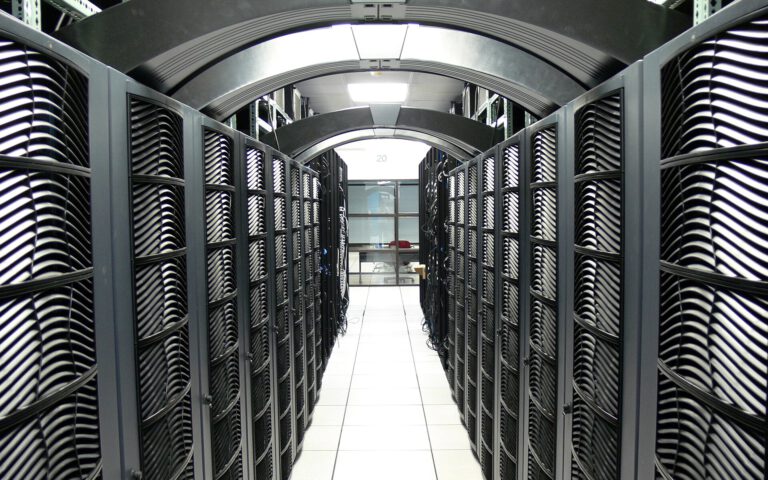
Featured image: Bybbisch94, CC BY-SA 4.0, via Wikimedia Commons.