
Fueling Instability: Energy Prices and the Erosion of Financial Security
The global energy landscape is once again demonstrating its profound capacity to disrupt economic stability and reshape individual financial realities. A confluence of geopolitical pressures and market dynamics has driven energy costs to levels that demand urgent intervention from international bodies while simultaneously squeezing household budgets worldwide. From strategic reserve releases by the G7 to record-breaking diesel prices and the difficult choices faced by younger generations regarding their long-term savings, the pervasive impact of energy volatility is undeniable.
Recent developments underscore the fragility of global energy supply chains. The Group of Seven (G7) nations, responding to external pressures and the looming threat of further price spikes, initiated a coordinated release of millions of barrels of oil and diesel from their strategic reserves. This emergency measure highlights the severity of the situation, indicating a collective concern over energy security and the potential for broader economic fallout. Such interventions, while offering temporary relief, also signal underlying vulnerabilities in the global energy system, where supply disruptions or geopolitical maneuvering can quickly translate into significant market volatility and consumer hardship.
The direct consequences of this volatility are being felt acutely at the pump and in utility bills. In the United Kingdom, for instance, diesel prices have surpassed £2 per litre for the first time, setting a new benchmark for fuel costs. This unprecedented rise is not an isolated incident but a symptom of broader global oil price increases, which are then passed directly to consumers. For businesses reliant on transport and logistics, these elevated fuel costs translate into higher operational expenses, which can in turn contribute to inflationary pressures across various sectors. For individual households, the impact is immediate and tangible, affecting daily commutes, transportation of goods, and overall cost of living.
Beyond the immediate burden of higher fuel costs, the broader energy crunch is exerting immense pressure on household finances, particularly as winter approaches in many regions. Energy suppliers are increasingly vocal in their calls for government action to assist households struggling with mounting utility bills. The cumulative effect of these rising costs is forcing many individuals and families to make difficult trade-offs, often at the expense of their long-term financial well-being. This phenomenon is particularly evident among younger demographics.
A striking example of this long-term erosion of financial security is the growing trend of younger generations opting out of pension schemes. Faced with immediate cost-of-living pressures, including soaring energy and housing expenses, many individuals in Generation Z are prioritizing present needs over future savings. While opting out of a pension can provide immediate relief by increasing take-home pay, it carries significant long-term financial implications, potentially costing individuals tens of thousands of pounds in lost retirement savings and employer contributions over their working lives. This decision, driven by necessity rather than choice, illustrates how persistent energy inflation can undermine the fundamental pillars of personal financial planning and intergenerational wealth accumulation.
The current energy crisis is not merely a matter of market fluctuations; it is a systemic challenge with far-reaching societal and economic ramifications. Governments and central banks face a complex dilemma: how to ensure energy security and affordability without exacerbating inflation or distorting market mechanisms. The coordinated release of strategic reserves demonstrates a reactive approach to immediate threats, but the underlying need for more resilient and diversified energy systems remains critical. As global demand for energy continues to grow and geopolitical tensions persist, the vulnerability of economies to energy price shocks will likely remain a defining feature of the coming years.
Addressing this instability requires a multi-faceted approach, encompassing investment in sustainable energy sources, enhancing energy efficiency, and fostering international cooperation to stabilize markets. Without concerted efforts to mitigate the impacts of energy volatility, the erosion of financial security for households and the broader economic instability observed today could become a more entrenched and challenging reality.
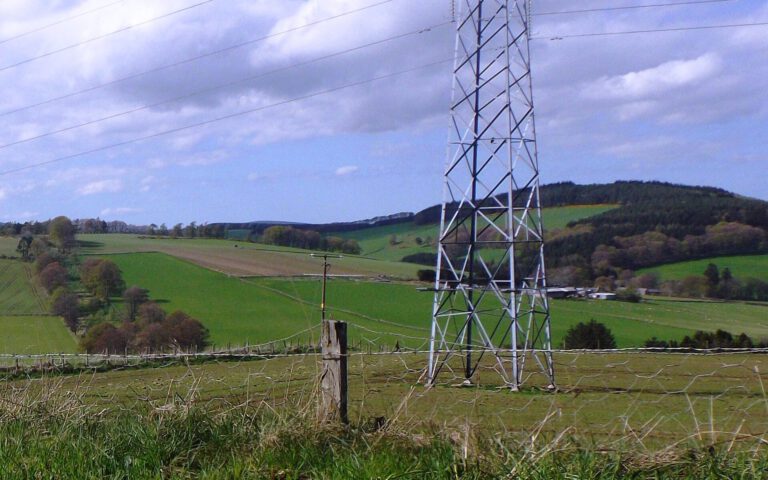
Featured image: Rjglewis, CC BY-SA 3.0, via Wikimedia Commons.