As world leaders gather at the United Nations General Assembly, diplomatic rhetoric surrounding global energy strategy has once again focused on top-down decarbonization schedules and regulatory mandates. UN Secretary-General António Guterres reiterated the urgent necessity for member states to formulate clear timelines to transition away from fossil fuels, describing the current decade as a critical window for collective climate governance. Yet while international institutions push for binding multilateral targets, the most rapid structural shifts in utility-scale power generation are taking place through a distinct mechanism: market-driven capital allocation operating within traditional hydrocarbon capitals.
The Pragmatic Shift in Energy Hubs
Nowhere is this divergence between policy frameworks and infrastructure deployment more pronounced than in major oil-producing regions like Texas, long considered the epicenter of North American petroleum extraction. Despite political resistance to centralized climate planning, the region has rapidly become one of the premier producers of solar-farmed electricity and utility-scale battery storage. This expansion reflects an underlying evolution in energy economics, where declining equipment costs, streamlined land access, and soaring regional electricity demand have transformed clean energy infrastructure into a pragmatic tool for grid stability rather than an ideological compromise.
Rather than relying on regulatory coercion, clean capacity growth in traditional energy hubs is propelled by fundamental commercial incentives. The rapid influx of private capital into solar arrays and grid-scale energy storage highlights several key drivers reshaping the sector:
- Levelized Cost Competitiveness: Reductions in photovoltaic module pricing and high-capacity inverter efficiencies have lowered the marginal cost of solar generation below that of conventional peaking units.
- Rapid Deployment Timelines: Faced with accelerating power demand from industrial reshoring, manufacturing complexes, and high-density computing centers, grid operators are turning to solar and battery installations that can be permitted and connected far faster than major thermal plants.
- Hybrid Asset Optimization: Project developers are increasingly deploying co-located battery systems alongside solar farms, enabling power producers to absorb price volatility and supply reliable power during peak evening demand hours.
Infrastructure Friction and the Grid Realignment
Despite the fast pace of clean energy installation, physical and structural constraints continue to govern the speed of the global energy transition. The operational realities of utility grids demonstrate that renewable capacity addition does not instantly translate into the immediate retirement of legacy thermal generation. Natural gas units remain critical for providing rotational inertia and firm baseload capacity during extended periods of low solar output.
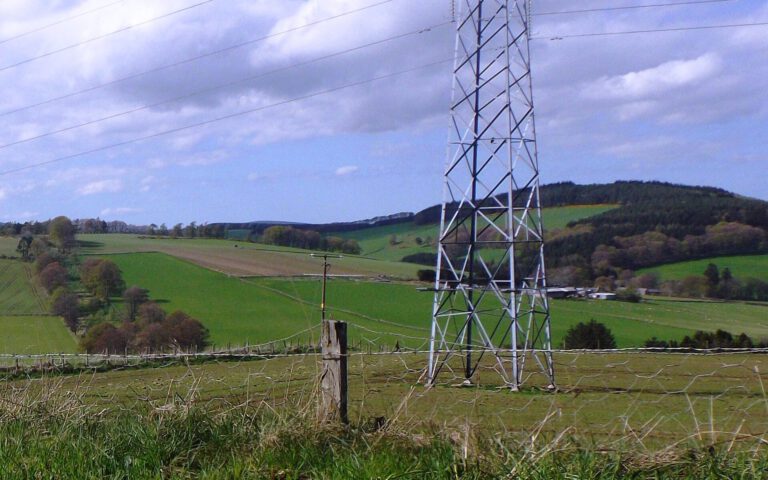
Furthermore, transmission networks remain the primary bottleneck across major industrial economies. High-voltage power corridors required to move clean electricity from remote generation basins to dense urban centers face multi-year permitting queues, supply chain delays for transformers, and complex land rights battles. Consequently, power systems are evolving into sophisticated hybrid architectures where advanced renewable installations operate directly alongside legacy fuel infrastructure to satisfy unprecedented electricity consumption.
Strategic Implications for Industrial Strategy
This dynamic carries deep implications for global trade and industrial planning. As multinational corporations and heavy manufacturing facilities seek access to scalable, low-carbon power to satisfy supply chain standards and regulatory import adjustments, jurisdictions capable of delivering abundant, cost-effective power hold a growing economic advantage. Regions that pair deep traditional energy engineering experience with aggressive clean infrastructure investment are insulating themselves against energy supply shocks while positioning their industrial sectors for long-term competitiveness.
For international policymakers, the development of solar capacity within oil capitals offers a clear lesson: international climate goals are most effectively realized when supported by clear market signals and accelerated grid permitting. Top-down declarations establish important political benchmarks, but the long-term structural transformation of global energy systems will ultimately be determined by the speed with which clean technology outcompetes traditional alternatives on cost, reliability, and deployment velocity.