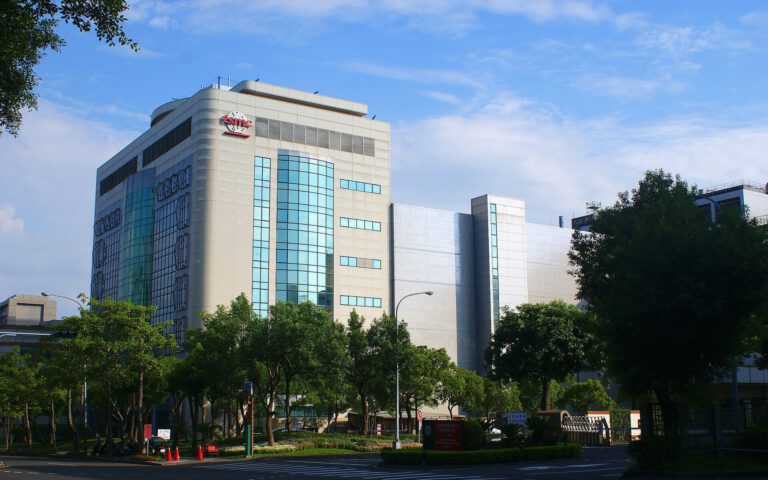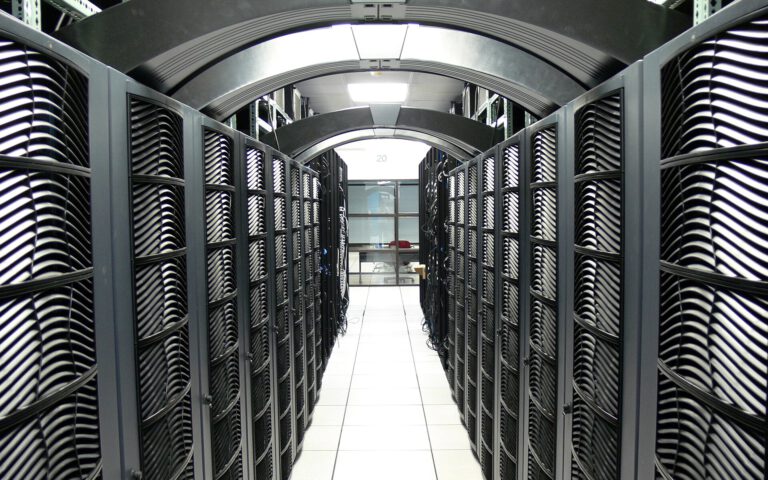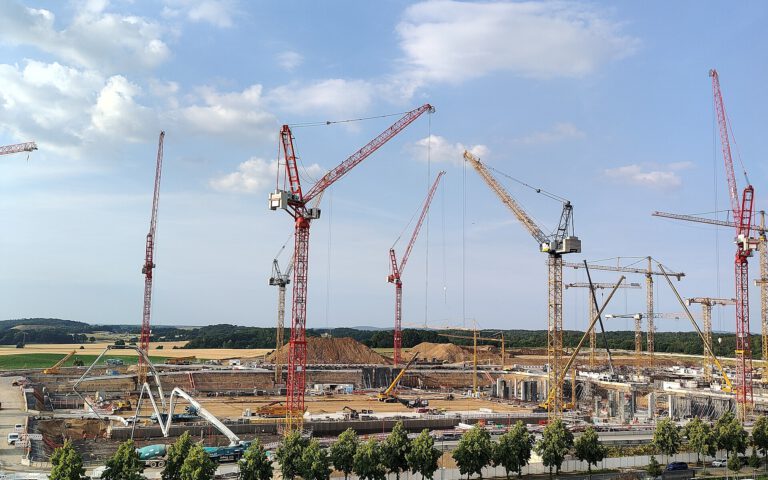
The global race for artificial intelligence (AI) supremacy is not merely a contest of algorithms and software; it is fundamentally an infrastructure battle, demanding an unprecedented expansion of physical computing power. Across continents, nations and corporations are pouring resources into constructing colossal data centers, the silent, power-hungry engines driving the AI revolution. This relentless build-out, however, is colliding with the equally pressing challenge of energy consumption, pushing innovators to seek radical solutions to sustain the future of advanced AI systems.
Nowhere is this physical manifestation of AI ambition more evident than in China. Reports from regions like Inner Mongolia reveal a construction boom of “China speed,” with vast data centers rising rapidly to underpin Beijing’s strategic goal of leading the world in artificial intelligence. These facilities are not just large; they are engineered for scale, designed to house the immense computational resources required for training and deploying sophisticated AI models. The sheer pace of development and the strategic allocation of resources underscore a clear national strategy: to establish a foundational advantage in AI by controlling the underlying hardware and infrastructure. This concentrated effort recognizes that access to robust, high-capacity infrastructure is as critical as algorithmic breakthroughs or talent acquisition in the geopolitical contest.
The sheer scale of these operations brings with it a formidable energy dilemma. Data centers are notorious power guzzlers, consuming vast amounts of electricity not only for their processors but also for the extensive cooling systems needed to prevent overheating. As AI models grow more complex and data volumes explode, the energy footprint of the digital world is expanding at an alarming rate. This escalating demand poses significant challenges for national grids, contributing to increased carbon emissions, and adding substantially to operational costs. The need for constant, reliable power, often from renewable sources, and efficient cooling mechanisms has become a central design constraint and a major driver of innovation within the industry.
In response to this looming energy crisis and the quest for enhanced performance, the technology sector is undergoing a pivotal shift in how data is transmitted within these colossal computing environments. For decades, traditional copper wires have been the backbone of data transfer, but their limitations in terms of speed, bandwidth, and power efficiency are becoming increasingly apparent. Electrical signals traveling through copper generate heat and encounter resistance, limiting the density and speed of data flow. The future, many believe, lies in light-speed technology, specifically optical data transmission.
By switching from electrical signals carried by copper to optical signals transmitted via fiber optic cables, data centers can achieve dramatically higher speeds with significantly reduced power consumption. This transition to photonics represents a profound engineering challenge and opportunity. Optical interconnects can handle far greater bandwidth, allowing for faster communication between processors, memory, and storage units within a data center. This not only boosts the overall performance and responsiveness of AI systems but also drastically cuts down on the energy lost as heat in traditional copper-based systems. Leading technology companies and research institutions are investing heavily in developing and deploying these advanced optical solutions, recognizing them as a critical pathway to sustainable AI growth and a competitive edge in the infrastructure arms race.
The implications of this infrastructure battle extend beyond mere technological advancement and energy savings. The geographic distribution of these data centers, the security of their energy supply, and the environmental impact of their operations are becoming central considerations in global affairs and industrial policy. Nations that can efficiently build, power, and secure these digital fortresses will gain strategic leverage in an AI-driven world, influencing economic competitiveness, technological sovereignty, and even national security. The ability to manage the environmental footprint of AI, particularly through innovations like optical computing, will also be a key differentiator in an era of increasing climate scrutiny and regulatory pressure.
Ultimately, the push for optical data transmission is more than just an incremental upgrade; it signifies a fundamental re-engineering of the digital backbone that underpins modern society. It underscores the reality that the promise of AI is inextricably linked to the physical world—to the availability of land, resilient energy grids, sustainable cooling solutions, and advanced engineering talent. As the global AI race intensifies, the ability to innovate at the infrastructure level, moving from the inherent constraints of copper to the efficiencies and capabilities of light, will define the leaders and laggards in the next technological era, shaping the contours of global power and economic influence for decades to come.
Featured image: –地方の田舎もの(会話) 2021年4月24日 (土) 12:50 (UTC), licensed BY, found via Openverse.