The global aviation sector is experiencing a quiet but profound restructuring of its operational geography. For decades, international airspace functioned as a highly standardized, predictable utility governed by multilateral treaties and shared safety protocols. Today, that stability is eroding under the dual pressures of escalating regional conflicts and rapid technological dispersion. The skies are simultaneously becoming more dangerous for conventional commercial transit and more populated by autonomous systems, forcing organizations to rethink the logistics of global connectivity.
The Geopolitical Squeeze on Commercial Corridors
The immediate manifestation of this crisis is visible in the airspace of Eastern Europe and Northern Asia. Recent warnings from Ukrainian leadership advising commercial airlines to entirely avoid Russian airspace highlight the growing intersection of long-range uncrewed aerial vehicle (UAV) operations and civil aviation. As Ukraine intensifies its deep-strike drone operations targeting military and industrial infrastructure deep within Russian territory, the risk of misidentification or collateral damage in shared corridors has escalated dramatically.
While Western carriers have largely bypassed Russian skies since early 2022, several major operators from the Gulf states and China continue to utilize these northern routes to maintain competitive flight times and lower fuel costs between Europe and Asia. This persistent usage of contested airspace exposes a widening divergence in global risk tolerance and operational strategy. Rerouting flights to bypass Russian territory is not merely a matter of safety compliance; it carries severe economic penalties. For carriers forced to fly southern detours, the consequences include extended flight times of up to three hours, significantly higher fuel consumption, increased carbon emissions, and complex crew scheduling constraints. In an industry operating on razor-thin margins, these operational frictions represent a structural disadvantage.
The Autonomous Frontier in Civil Aviation
Concurrently, the technological architecture of aviation is shifting toward automation from the ground up. While military drone operations demonstrate the disruptive potential of uncrewed systems, the civilian aviation sector is quietly laying the groundwork for a different kind of aerial revolution. The development of self-flying cargo and utility aircraft is transitioning from experimental trials to active deployment. Initially focused on low-risk, highly repetitive tasks such as autonomous crop-spraying in agricultural sectors, these systems are proving the safety and viability of pilot-free flight under strict regulatory oversight.
The maturation of autonomous civilian aviation offers a potential solution to the chronic pilot shortages and rising labor costs that plague regional logistics. However, integrating these self-flying platforms into an increasingly congested and contested global airspace presents a monumental regulatory and technical challenge. Current air traffic control systems are designed around human-in-the-loop communication and predictable flight paths. The introduction of autonomous cargo networks, operating alongside conventional commercial airliners and navigating around active conflict zones or drone-denied areas, demands a new paradigm of dynamic airspace management.
The Convergence of Risk and Automation
This convergence of geopolitical risk and technological acceleration is forcing a re-evaluation of sovereign airspace control. Governments and aviation authorities can no longer treat airspace as a static resource. The proliferation of low-cost, long-range drones has effectively democratized aerial capabilities, turning previously secure hinterlands into potential combat zones. At the same time, the commercial imperative to deploy autonomous systems requires a highly responsive, digitized infrastructure capable of deconflicting thousands of uncrewed flights in real time.
For global logistics firms, multinational corporations, and national security strategists, the message is clear: the operational environment of the skies is undergoing a permanent realignment. The organizations that successfully navigate this transition will be those that build resilience into their supply chains by diversifying transit modes, investing in advanced risk-modeling software, and preparing for a future where the line between civil aviation and autonomous operations is permanently blurred. The skies are no longer a passive, highly standardized medium for international transit; they are an active, contested infrastructure layer where geopolitical friction and technological acceleration are colliding.
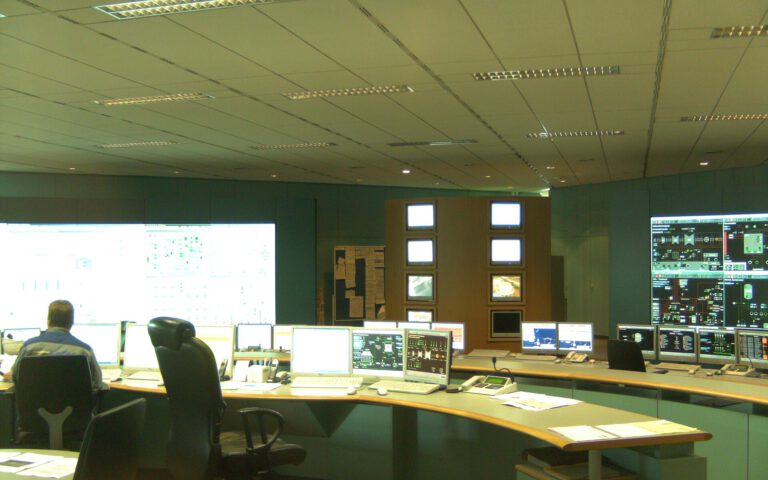
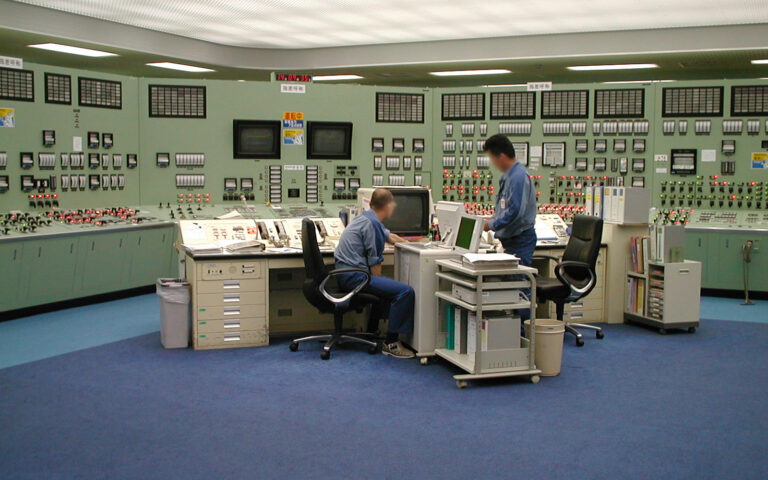
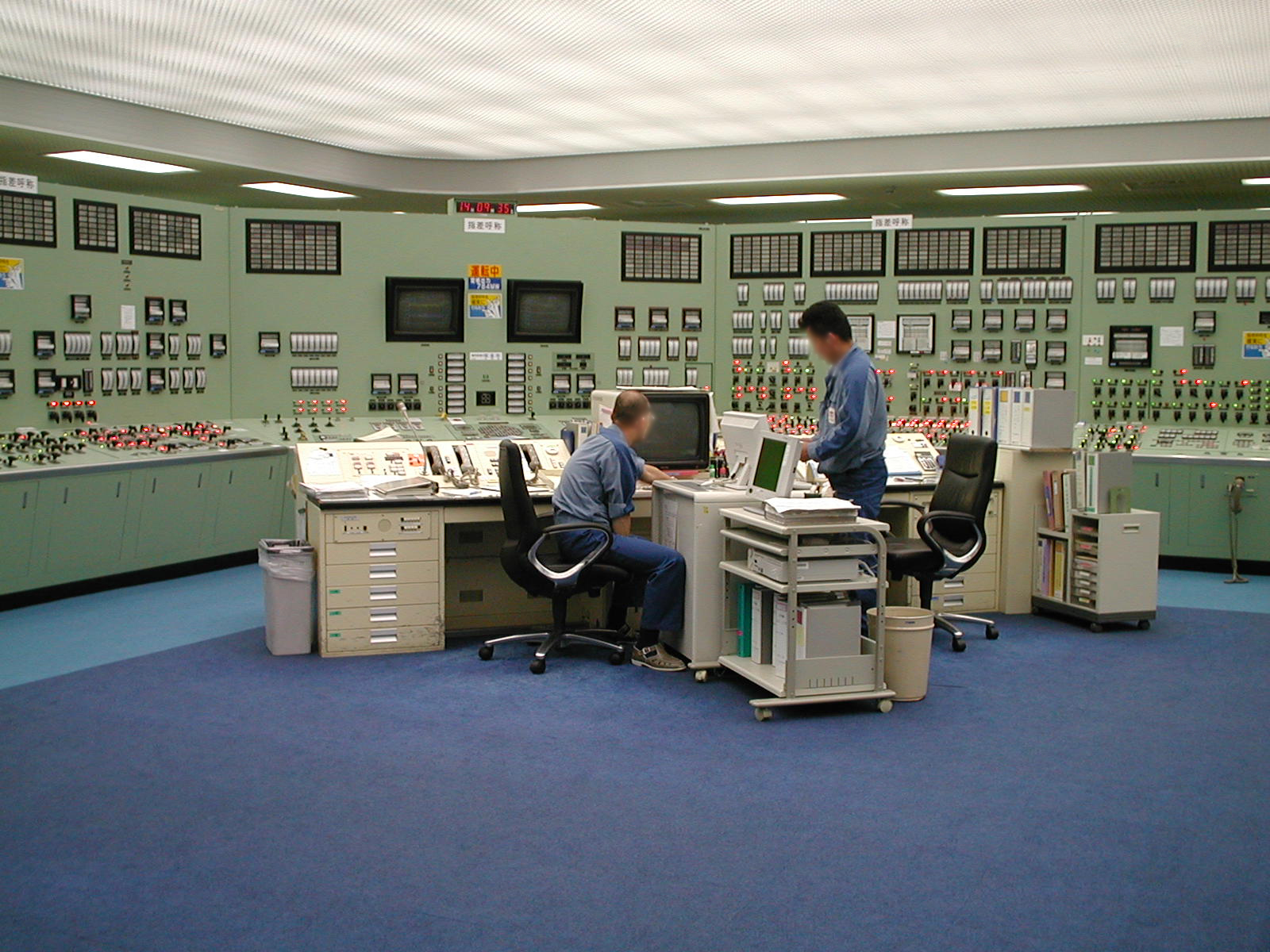
Featured image: kawamoto takuo, CC BY 2.0, via Wikimedia Commons.