The global ascent of artificial intelligence has been largely framed by its intellectual and computational prowess – the algorithms, the data, the software. Yet, beneath this digital veneer lies a burgeoning physical reality: a vast and rapidly expanding infrastructure that demands immense resources and carries significant economic implications. The AI revolution is not merely a shift in how we process information; it is fundamentally reshaping physical landscapes and financial markets, often in ways that remain largely unseen by the public.
The Unseen Giants: Data Centers Proliferate
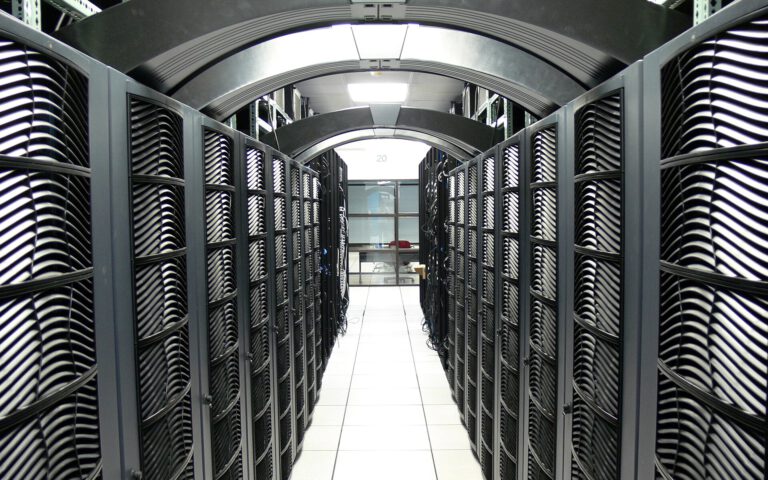
At the heart of the AI boom is the relentless expansion of data centers. These colossal facilities, packed with servers, storage units, and networking equipment, are the physical engines that power artificial intelligence. From training complex neural networks to running sophisticated AI applications, these digital factories require enormous processing power and constant, reliable energy. The scale of this expansion is becoming a global concern, as evidenced by regions like Scotland, which is grappling with plans for at least 23 new large-scale data centers. While these projects promise technological advancement and economic investment, they also raise significant questions about their environmental footprint, particularly their substantial energy consumption and land use.
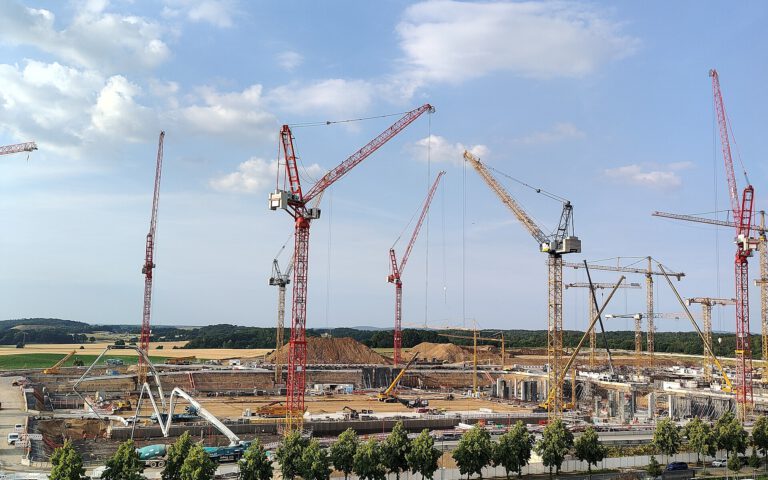
Each new data center represents a massive undertaking in construction and ongoing operation. They require vast tracts of land, sophisticated cooling systems to prevent overheating, and direct access to high-capacity electricity grids. The sheer volume of data generated, processed, and stored by AI models necessitates this physical growth, transforming once-remote industrial zones or agricultural lands into hubs of digital activity. This rapid proliferation underscores a critical tension: the intangible benefits of AI are increasingly reliant on a very tangible, resource-intensive physical presence.
Economic Ripples: Volatility and Investment
The physical expansion of AI infrastructure is inextricably linked to its profound impact on global financial markets. The Bank of England’s chief recently warned that the AI boom could trigger significant market shocks, urging central banks to monitor the massive waves of capital flowing into the sector “very carefully.” This caution highlights the speculative nature of much of the investment in AI, where valuations often outpace immediate profitability, driven by the promise of future transformative capabilities.
Billions are being poured into AI research, development, and infrastructure, creating a dynamic but potentially volatile economic landscape. The demand for specialized hardware, such as advanced chips, and the construction of these energy-hungry data centers fuel a complex supply chain and investment cycle. While this creates opportunities, it also concentrates risk. A sudden shift in investor sentiment, a technological breakthrough that renders existing infrastructure obsolete, or unforeseen regulatory hurdles could send ripples through global economies, affecting everything from tech stocks to energy markets.
Strategic Imperatives and Governance Challenges
Recognizing AI’s strategic importance, governments worldwide are intensifying their focus on its development and governance. The United States, for instance, has appointed its national intelligence chief to lead a new AI task force, signaling that artificial intelligence is now viewed as a critical national security and economic asset. This move underscores the geopolitical dimensions of AI, where technological leadership is increasingly equated with national power and influence.
However, the rapid pace of AI development also presents considerable governance challenges. The immense value of proprietary AI models and the sensitive data they process make them prime targets for internal and external threats. Recent reports of OpenAI firing employees for “mishandling sensitive information” illustrate the internal security vulnerabilities inherent in managing such high-stakes intellectual property. Ensuring the integrity and security of AI systems, from the physical data centers to the digital algorithms, is a complex task that demands robust oversight and evolving regulatory frameworks. The balance between fostering innovation and mitigating risks, both economic and security-related, remains a central challenge for policymakers globally.
Navigating the New Digital Frontier
The artificial intelligence revolution is a multifaceted phenomenon, extending far beyond the realm of software and algorithms. Its physical manifestation in sprawling data centers, its capacity to reshape global financial markets, and its emergence as a strategic national imperative collectively define a new frontier. As organizations compete and operate in this evolving landscape, understanding the tangible demands and economic pressures of AI will be as crucial as comprehending its digital capabilities. The sustainability of this growth, the stability of its economic impact, and the efficacy of its governance will determine whether the digital colossus of AI becomes a foundation for progress or a source of unforeseen global instability.
Featured image: BalticServers.com, CC BY-SA 3.0, via Wikimedia Commons.