The integrity of global transport and critical infrastructure, the very arteries of international commerce and daily life, is increasingly under threat from a complex array of vulnerabilities. Recent events, ranging from the deliberate targeting of strategic bridges in active conflict zones to unprecedented internal security breaches within commercial aviation, paint a stark picture of a world grappling with diversified and intensifying risks to its essential physical systems.
In Ukraine, the ongoing conflict has repeatedly demonstrated the strategic importance of infrastructure as a target. Kyiv, the nation’s capital, recently witnessed a second major bridge strike, underscoring a persistent campaign to disrupt logistics, fragment supply lines, and inflict both material and psychological damage. The targeting of the Pivnichnyi (Northern) Bridge follows previous attacks on other vital crossings, illustrating a calculated effort to degrade Ukraine’s capacity for movement and defense. Such actions are not merely tactical maneuvers; they represent a broader strategy of economic strangulation and societal disruption, impacting everything from humanitarian aid delivery to the movement of essential goods and personnel. The destruction or severe damage to bridges, railways, and energy grids has profound, long-term consequences for national resilience and post-conflict recovery, creating bottlenecks that ripple through local economies and international supply chains.
Simultaneously, the global aviation sector, long considered one of the most secure and regulated industries, has been shaken by an alarming incident on a Flydubai flight. Reports indicate that a co-pilot attempted to attack the captain with an axe, a severe internal security breach that exposes a different, yet equally potent, form of vulnerability. While the specifics of the motive remain under investigation, the incident highlights the critical challenge of insider threats. Aviation security protocols are meticulously designed to guard against external dangers, from terrorism to cyberattacks. However, the prospect of a trained and authorized individual turning hostile from within the cockpit introduces a new dimension of risk that demands rigorous re-evaluation of psychological assessments, crew monitoring, and emergency response procedures. Such an event not only jeopardizes passenger safety but also erodes public confidence in air travel, a cornerstone of global connectivity.
The Interconnectedness of Vulnerability
These disparate incidents, though geographically and contextually distinct, collectively illuminate a fundamental truth: the physical infrastructure that enables modern society is under siege from multiple vectors. In conflict zones, infrastructure becomes a weapon, its destruction a means to achieve strategic objectives. Beyond warfare, the threat landscape includes sophisticated cyberattacks designed to cripple operational technology, natural disasters exacerbated by climate change, and, as the Flydubai case tragically illustrates, the unpredictable human element within critical operational teams.
The economic repercussions of such vulnerabilities are immense. Damaged bridges disrupt trade routes, increase transportation costs, and isolate communities, leading to supply chain delays and inflationary pressures. Aviation security breaches, even if contained, can trigger widespread flight cancellations, heightened security measures, and a significant economic toll on airlines and airports. Moreover, the psychological impact on populations, from those living under constant threat of infrastructure destruction to travelers concerned about the safety of their journeys, is profound.
Building Resilience in a Fragmented World
Addressing these escalating threats requires a multi-layered and adaptive approach. For infrastructure in conflict zones, this means not only robust defensive measures but also rapid repair capabilities and redundant systems to minimize disruption. For sectors like aviation, it necessitates a renewed focus on human factors in security, including enhanced mental health support for personnel, more sophisticated vetting processes, and protocols for identifying and mitigating potential insider threats before they materialize.
Governments and international organizations are increasingly recognizing the need for greater collaboration in protecting critical infrastructure. This includes sharing intelligence on emerging threats, developing common standards for resilience, and investing in technologies that can both defend against attacks and facilitate rapid recovery. However, the sheer diversity of threats—from state-sponsored aggression to individual acts of violence—means that no single solution will suffice. Instead, a comprehensive strategy must encompass physical security, cybersecurity, human resource management, and robust emergency planning, all underpinned by a commitment to continuous adaptation in the face of an ever-evolving risk landscape.
The incidents in Ukraine and on the Flydubai flight serve as urgent reminders that the global lifelines we depend on are inherently fragile. Securing them requires not just technological innovation and strategic foresight, but also a deep understanding of the human element, both as a source of vulnerability and as the ultimate guardian of our collective safety and prosperity.
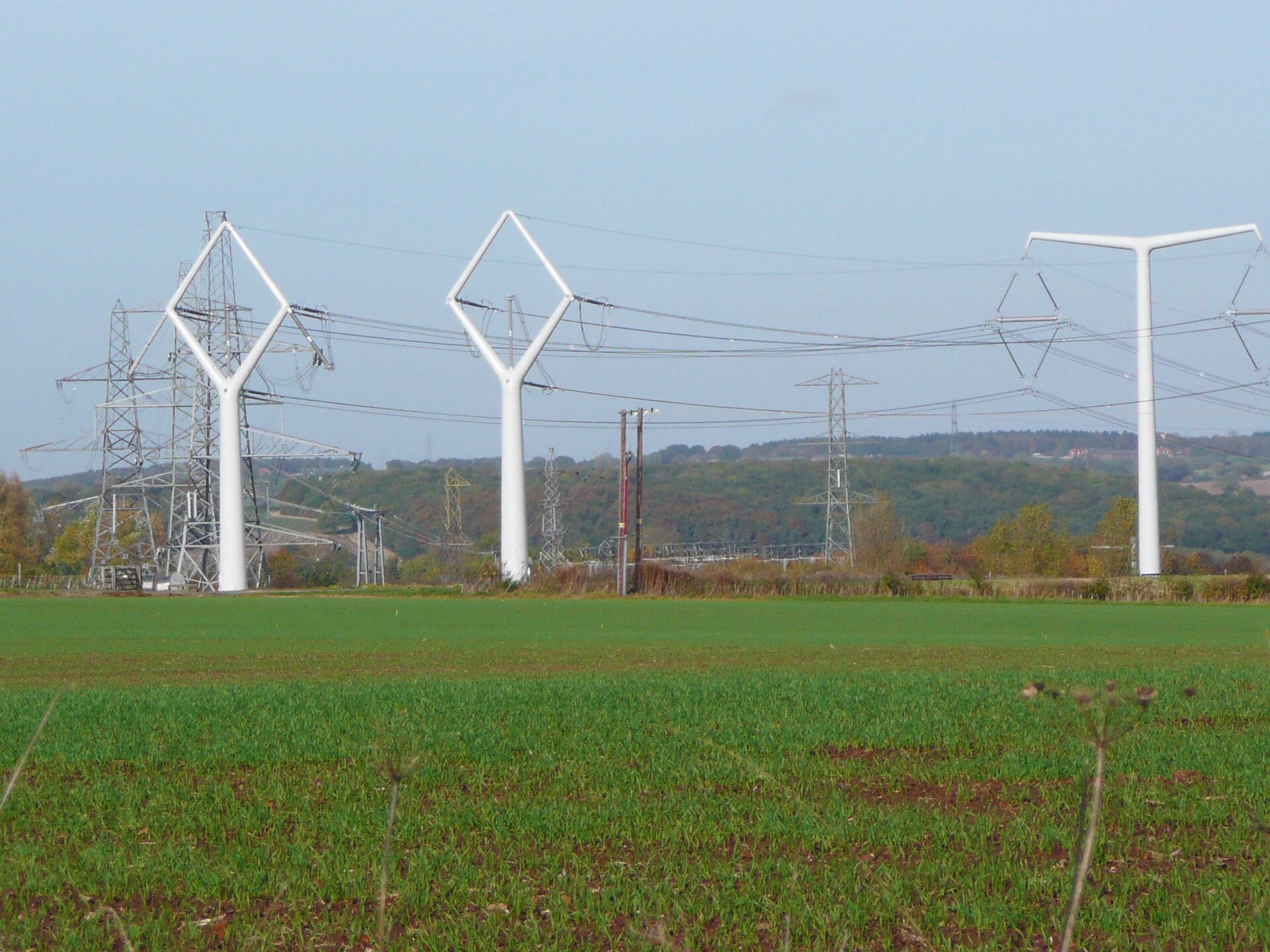
Featured image: Humphrey Bolton, CC BY-SA 2.0, via Wikimedia Commons.