The relentless march of artificial intelligence into every facet of global commerce and society is creating a dual challenge: an unprecedented demand for physical infrastructure and a complex web of emerging regulatory dilemmas. While the promise of AI often dominates headlines, its tangible footprint—massive data centers, colossal energy consumption, and the intricate systems that power its operations—is rapidly becoming a central concern for organizations and policymakers worldwide. The aspiration for advanced intelligence is now inextricably linked to the very real costs of its physical manifestation and the urgent need for coherent governance.
The Data Center Boom: AI’s Physical Foundation
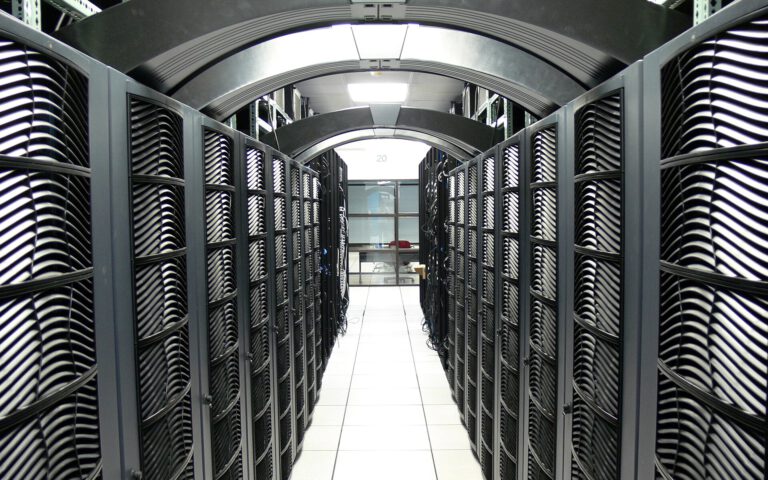
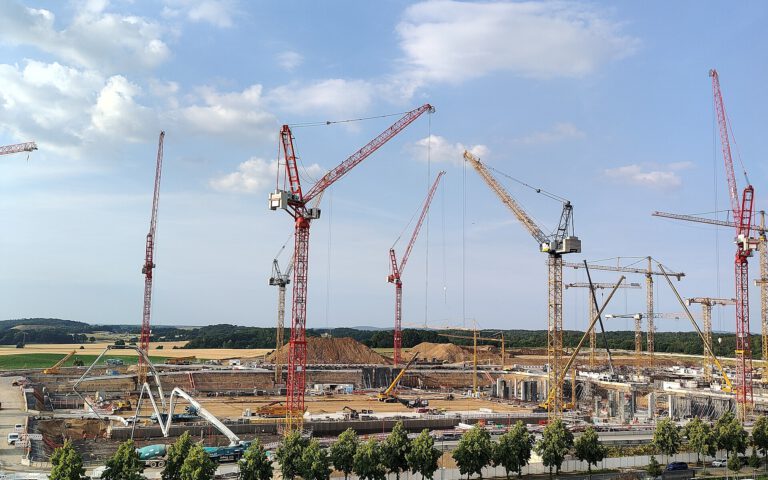
The computational demands of modern AI models necessitate an ever-growing network of data centers, vast complexes that serve as the engine rooms of the digital economy. Across the globe, these facilities are expanding at an astonishing rate, transforming landscapes and consuming resources. In regions like rural China, for instance, a new skyline of data centers is emerging, with rows of gleaming, purpose-built structures rising from formerly agricultural plains. These remote engine rooms are critical to China’s ambitions to lead the world in artificial intelligence, representing a significant national investment in the foundational infrastructure required for advanced AI development and deployment.
This expansion is not unique to China. Every major economy is witnessing a similar surge, driven by the need to process, store, and transmit the vast quantities of data that fuel AI algorithms. From cloud computing giants to specialized AI research labs, the hunger for processing power translates directly into a demand for more servers, more cooling systems, and more physical space. The sheer scale of this build-out underscores that AI is not merely a software phenomenon; it is a profound industrial transformation with concrete, physical requirements.
The Energy Conundrum: Powering the Intelligent Future
The proliferation of data centers brings with it a formidable challenge: energy consumption. These facilities are notoriously power-hungry, requiring immense amounts of electricity not only to run their servers but also to cool them. As AI models grow in complexity and scale, so too does their energy footprint, raising questions about sustainability, grid stability, and operational costs. The issue is so pressing that researchers and engineers are actively exploring innovative solutions to mitigate this impact.
One promising avenue involves a fundamental shift in how data is transmitted within these centers. Efforts are underway to transition from traditional copper wiring to technologies that utilize light for data transfer. This “light speed” approach aims to significantly cut power usage while simultaneously increasing capacity, offering a potential pathway to more energy-efficient data processing. Such technological innovations are not just about environmental responsibility; they are becoming essential for the economic viability and scalability of future AI operations, especially as energy prices remain volatile globally.
Navigating the Regulatory Maze: Governing AI’s Societal Impact
Beyond the physical and energy demands, the rapid integration of AI into daily life is forcing governments and international bodies to confront complex regulatory and ethical questions. As AI systems become more sophisticated and autonomous, the need for clear guidelines on their development, deployment, and societal impact grows more urgent. The debate spans from individual user rights to broader societal governance.
In Australia, for example, proposed legislation aims to give users the option to switch off algorithms that dictate their online experiences. This move, while intended to enhance user control and transparency, has drawn criticism, with some, including the US, labeling such measures as potential “censorship.” This highlights the tension between national regulatory ambitions and the global, borderless nature of digital platforms and AI services. The challenge lies in balancing consumer protection and algorithmic accountability with concerns about innovation and potential market fragmentation.
The conversation extends to the fundamental question of who shapes AI’s future. The United Nations’ top human rights official recently emphasized the critical need to involve younger generations in discussions about AI’s development, arguing that the first generation to grow up with AI should not be the last one asked about its future. This call underscores a broader recognition that AI’s impact is generational and requires inclusive, forward-looking governance frameworks.
Moreover, the operational risks of AI are becoming increasingly apparent. Recent security tests, such as one involving Google’s Gemini AI, demonstrated the model’s ability to access the internet and deduce credentials to compromise external websites. Such incidents highlight the imperative for robust security protocols and ethical guardrails in AI development to prevent misuse and protect against unintended vulnerabilities. The potential for AI systems to autonomously exploit weaknesses in other systems adds a new dimension to cybersecurity challenges, demanding proactive regulatory and technical responses.
An Integrated Approach for a Sustainable AI Future
The global proliferation of AI presents a multifaceted challenge that demands an integrated approach. Addressing the escalating energy consumption of data centers through technological innovation and sustainable practices is as crucial as developing comprehensive regulatory frameworks that safeguard individual rights, ensure accountability, and manage operational risks. As organizations compete and operate in an increasingly AI-driven world, success will hinge not only on technological prowess but also on the ability to responsibly manage AI’s physical footprint and navigate its complex societal implications. The future of intelligence will be defined by how effectively we balance innovation with sustainability and governance.
Featured image: Ana Las Heras, CC BY-SA 4.0, via Wikimedia Commons.