The global aviation sector is once again grappling with widespread disruption following a second significant air traffic control (ATC) system failure within a short period. These successive glitches, which have grounded thousands of flights and left millions of passengers stranded across continents, are exposing a critical vulnerability at the heart of international travel and commerce. The incidents are not merely isolated technical hiccups but rather stark indicators of systemic fragility within essential logistical infrastructure that underpins the global economy.
Air traffic control systems are the unseen architects of the skies, managing the safe and efficient flow of aircraft across vast airspace. They are incredibly complex networks, relying on sophisticated hardware, software, and highly trained personnel to coordinate millions of flights annually. When these systems falter, the ripple effects are immediate and far-reaching. Airports become gridlocked, flight schedules collapse, and the intricate web of global supply chains experiences significant delays. Airlines, already operating on tight margins and facing increasing operational pressures, are voicing mounting frustration, questioning the resilience and reliability of the very infrastructure they depend upon.
The recent disruptions highlight a pressing need for robust investment and modernization in ATC infrastructure worldwide. Many existing systems, while meticulously maintained, are built upon aging technological foundations that struggle to cope with ever-increasing air traffic volumes and the demands of a hyper-connected world. The lack of seamless integration between national ATC systems also exacerbates problems, meaning a localized failure can quickly cascade into international chaos. This fragmentation creates choke points that are vulnerable to both technical malfunction and potential external threats, though the recent incidents appear to stem from internal operational issues.
The economic consequences of such widespread aviation disruption are substantial. Businesses rely on air freight for just-in-time delivery of components and finished goods, and delays can lead to production halts and financial losses. International business travel, crucial for negotiations, conferences, and market development, is severely hampered. Beyond the immediate economic toll, there is a significant impact on public confidence in air travel. Passengers face not only financial losses from cancelled plans but also the emotional strain of uncertainty and prolonged delays, leading to questions about their rights and recourse in such situations.
The challenges extend beyond mere technical upgrades. Effective air traffic control requires a highly skilled workforce, and shortages or inadequate training can compound systemic weaknesses. Furthermore, the interconnected nature of modern digital infrastructure means that cybersecurity considerations are paramount. While the specific causes of the latest glitches are under investigation, any critical infrastructure system, especially one as vital as ATC, must be rigorously defended against both accidental failure and malicious attack. The global community cannot afford to overlook the potential for such disruptions to be exploited.
Addressing these vulnerabilities demands a coordinated international effort. National aviation authorities and air navigation service providers must prioritize significant investment in next-generation ATC technologies, including advanced automation, more resilient communication networks, and enhanced data sharing capabilities. This modernization must be accompanied by comprehensive workforce planning, ensuring a pipeline of skilled controllers and technicians. Moreover, cross-border collaboration is essential to develop more harmonized and resilient air traffic management protocols that can withstand localized failures without triggering widespread systemic collapse.
The repeated grounding of flights due to ATC failures serves as a critical wake-up call. In an era where global connectivity is paramount for economic prosperity and social cohesion, the foundational infrastructure supporting this connectivity must be beyond reproach. The current situation underscores that the resilience of our most vital systems is not a luxury but a fundamental requirement for a functioning global society. Failure to address these deep-seated issues risks not only continued disruption but also a broader erosion of trust in the very mechanisms that keep our world moving.
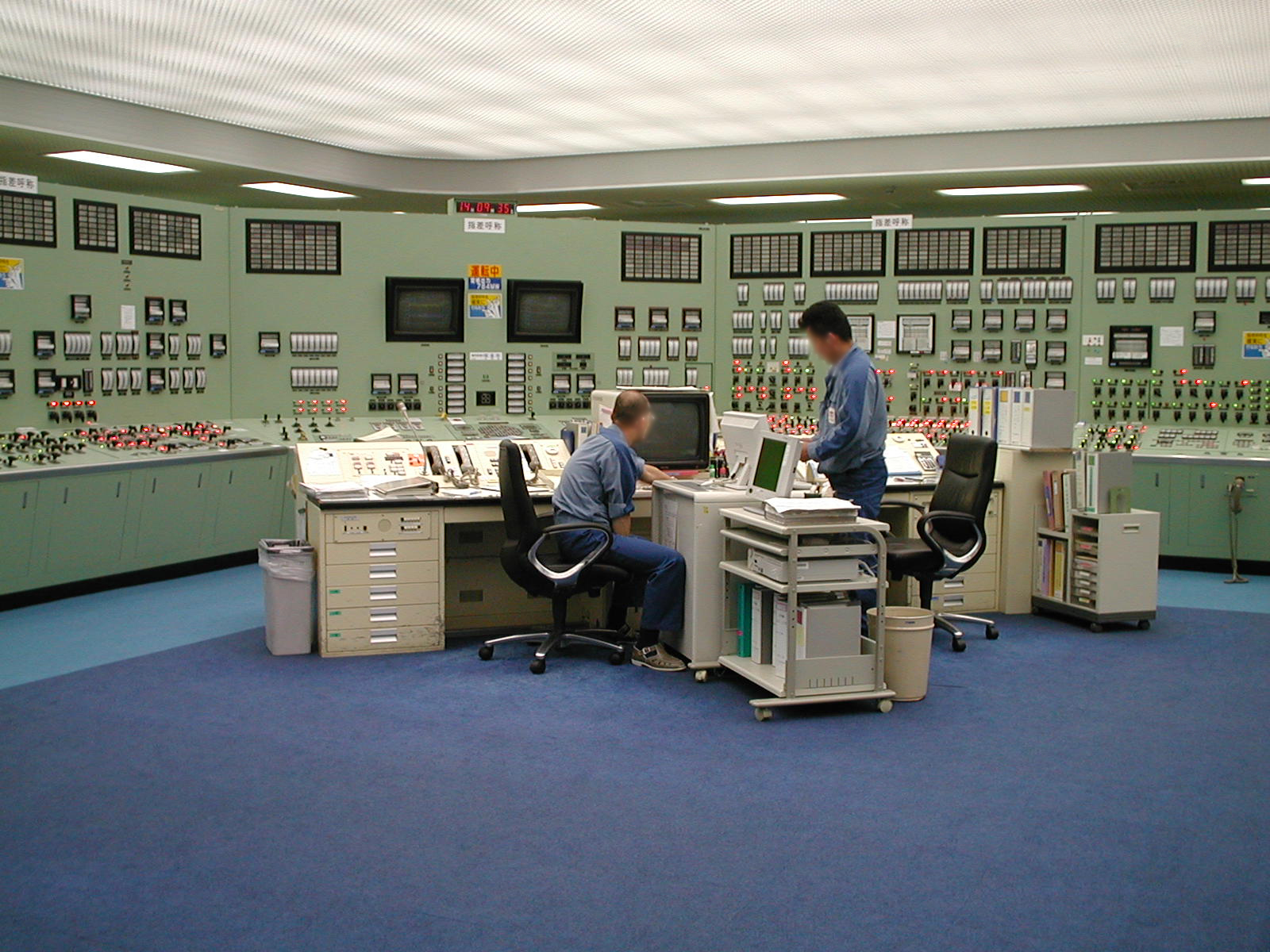
Featured image: kawamoto takuo, licensed BY, found via Openverse.