State interventions in essential public assets have reached a critical friction point as parliamentary oversight bodies challenge the financial viability of government-led rescue packages. In simultaneous reports examining two of the United Kingdom’s most vulnerable foundational sectors—water supply utilities and primary steelmaking—lawmakers have advised against approving proposed financial restructuring deals in their current form. The dual parliamentary rebuffs reflect a broader global policy dilemma: how national governments can safeguard critical physical infrastructure and sovereign manufacturing capacity without absorbing unsustainable corporate liabilities or entrenching moral hazard.
The pushback underscores a systemic collapse in the consensus surrounding privatized utility management and public-private industrial transitions. For decades, Western regulatory regimes operated under the assumption that private capital could maintain and modernize heavy assets through regulated rate bases and market incentives. However, years of underinvestment, leveraged debt engineering, and volatile input costs have left core utilities and industrial anchors severely distressed, forcing the state to act as the lender and guarantor of last resort.
The Utility Restructuring Impasse
The acute strain in essential public utilities is demonstrated by parliamentary recommendations that the government reject a proposed rescue package for Thames Water, the country’s largest water and wastewater provider. The utility, which serves over fifteen million residents, has struggled under a multi-billion-pound debt mountain accumulated through decades of private equity ownership and aggressive dividend extraction. Lawmakers concluded that the proposed financial lifeline failed to adequately protect taxpayers or guarantee the necessary capital expenditure required to repair aging, leak-prone infrastructure and prevent environmental contamination.
At the center of the dispute is the mechanism of debt distribution. Regulatory frameworks have repeatedly struggled to enforce accountability on equity holders before public intervention occurs. Opponents of the current rescue plan argue that converting high-yield debt or injecting state liquidity without forcing severe haircuts on existing creditors creates an unsustainable precedent. If regulated water companies are perceived as too essential to fail, private operators can leverage essential public services to secure state guarantees while privatizing upside returns during benign economic cycles.
Industrial Decarbonization and Commercial Viability
A parallel crisis is unfolding in primary manufacturing, where a parliamentary committee concluded that official plans to subsidize and restructure British Steel lack fundamental commercial credibility. Heavy manufacturing assets across Europe and North America face a dual crisis: soaring energy costs combined with mandatory capital expenditures to transition from high-emission blast furnaces to electric arc furnace technology. Without credible long-term energy pricing contracts and guaranteed domestic procurement streams, public subsidies risk delaying corporate insolvency rather than establishing sustainable operational self-sufficiency.
The parliamentary critique emphasizes that injecting state funds into industrial facilities without clear operational milestones fails to solve underlying competitiveness challenges. Modernizing blast furnace operations requires massive electricity grid upgrades and secure scrap supply chains. When state support packages focus narrowly on short-term asset preservation rather than full supply chain integration, heavy industrial assets remain exposed to international dumping and high marginal energy costs.
The Governance and Capital Realignment
The simultaneous challenges facing public utilities and foundational steel assets highlight three systemic structural shifts confronting industrial policy makers globally:
- The End of Deferred Maintenance Models: Decades of underinvesting in subterranean water networks, electrical distribution grids, and foundational manufacturing plants can no longer be masked by financial engineering or cheap debt.
- Creditor Haircuts vs. Sovereign Guarantees: Parliamentary committees are increasingly demanding that private bondholders and equity investors absorb primary losses before any public liquidity or debt guarantees are deployed.
- The State as Equity Owner: When private operators cannot secure market-rate financing for basic capital maintenance, total or partial public takeovers are moving from ideological taboos to pragmatic policy defaults.
Redefining Sovereign Risk in Critical Assets
As state treasuries face constrained fiscal room and elevated sovereign borrowing costs, the willingness to underwrite broken corporate balance sheets is rapidly eroding. Governments are being forced to choose between structured special administration regimes—where private equity and bondholders suffer total loss—and direct public ownership with clear capital deployment mandates. The ongoing debates surrounding utility debt and industrial restructuring signal that future state interventions will demand far greater regulatory control, equity participation, and strict capital allocation standards rather than passive emergency liquidity.
Ultimately, the parliamentary rejection of incomplete rescue plans marks a decisive shift in public asset governance. Resilient national infrastructure requires economic models where capital maintenance is prioritized over shareholder yield, and where state backing is tied directly to structural operational viability rather than immediate balance sheet relief.
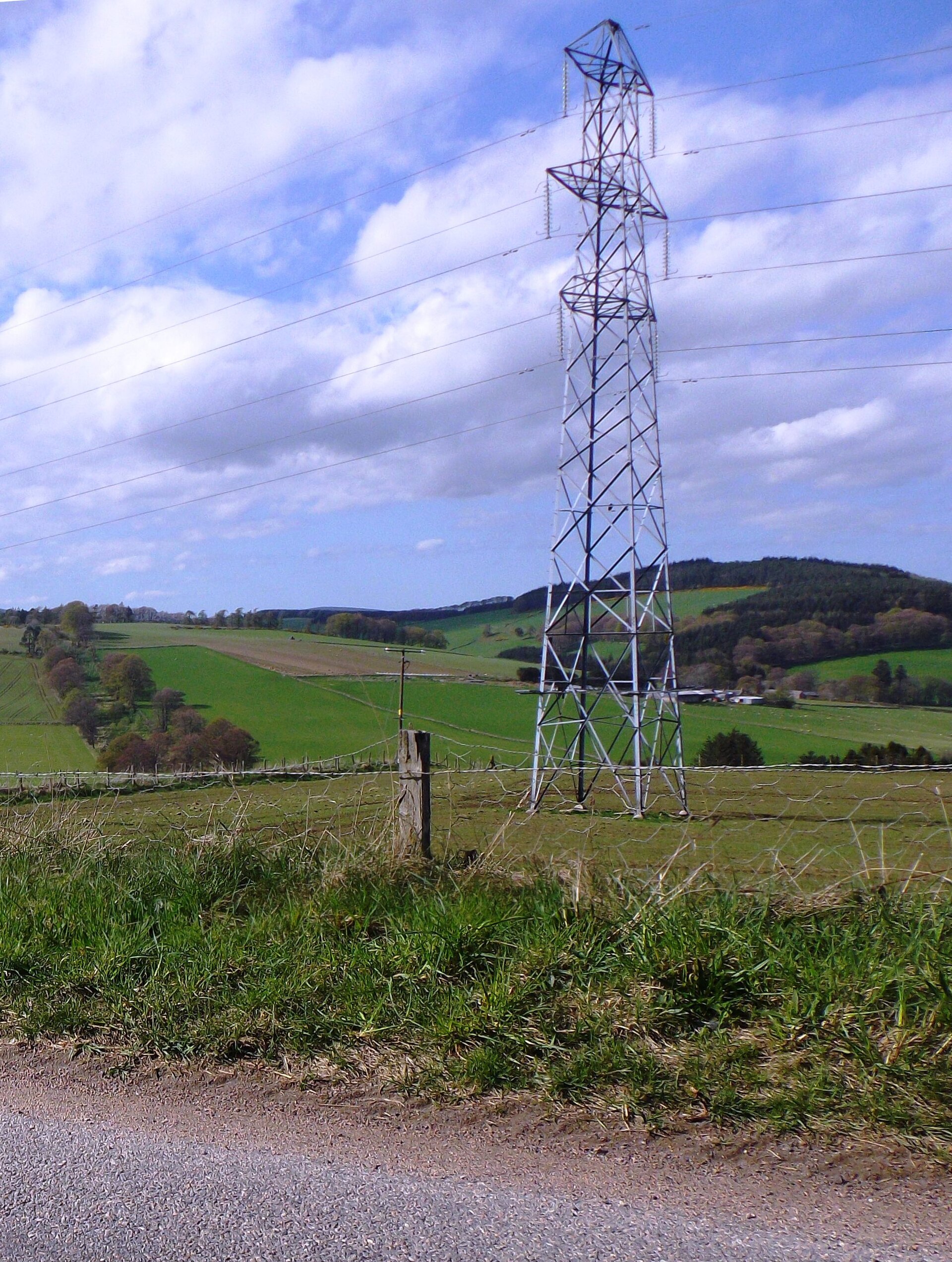
Featured image: Stanley Howe, CC BY-SA 2.0, via Wikimedia Commons.