The global order, long characterized by a complex web of international agreements and norms, is demonstrating increasing signs of fragmentation. Two recent, seemingly disparate developments vividly illustrate this trend: the unilateral waiving of significant international sanctions by a major power and an unprecedented surge in physical attacks on vital maritime trade routes. Together, these events signal a deepening challenge to global stability, impacting everything from diplomatic relations to the fundamental security of supply chains.
The Erosion of Sanctions Regimes
A recent decision by the United States to temporarily waive several sanctions against Russia, previously passed by Congress, has sent ripples through the international community. This move, reportedly made over “national security concerns” and amidst escalating tensions between the US and Ukraine’s leadership, represents a significant departure from a coordinated international approach to penalizing Moscow. Sanctions, when applied multilaterally, are intended to exert collective economic and political pressure, aiming to alter state behavior without resorting to direct military conflict. The unilateral relaxation of such measures, particularly by a nation central to their initial implementation, risks undermining their efficacy and the very principle of collective action.
The immediate implications are multifaceted. Diplomatically, it creates friction, particularly with allies who have maintained their commitments to the sanctions regime. It can be perceived as weakening international resolve and potentially emboldening actors who might otherwise be deterred by a united front. For organizations and nations operating within the global financial system, such waivers introduce uncertainty, complicating compliance frameworks and potentially creating loopholes that diminish the overall impact of the remaining restrictions. Furthermore, this action raises questions about the long-term viability and credibility of sanctions as a tool of foreign policy, suggesting that national interests, even when vaguely defined, can override broader international consensus.
A Rising Tide of Maritime Peril
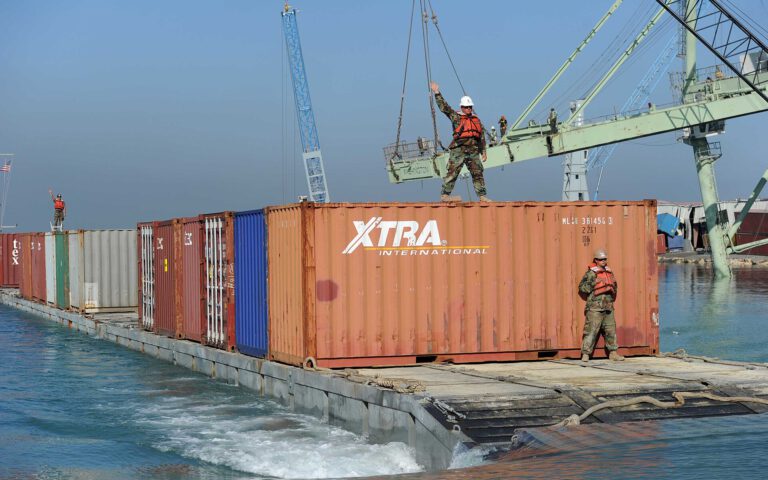
Concurrently, the world’s critical maritime arteries are experiencing an alarming increase in threats. Reports indicate that ship attack incidents near the Strait of Hormuz have reached a record high, with a significant number of vessels struck within a single week. The Strait of Hormuz is one of the most strategically important chokepoints in the world, through which a substantial portion of global oil and liquefied natural gas (LNG) transits daily. Any disruption in this narrow passage has immediate and far-reaching consequences for global energy markets, trade, and economic stability.
These attacks, whether perpetrated by state-backed actors or other groups, introduce profound risks. Beyond the immediate danger to maritime crews and the potential for environmental catastrophe from damaged vessels, the economic repercussions are substantial. Increased insurance premiums, rerouting of ships, and delays in delivery all contribute to higher costs for consumers and businesses alike. Critically, a slowdown in oil exports from the region, as observed, directly impacts global energy supply and pricing, adding another layer of volatility to an already fragile global economy. The persistent threat in such a vital waterway underscores the vulnerability of the physical infrastructure underpinning global trade and highlights the challenges of maintaining security in contested maritime zones.
Interconnected Vulnerabilities in a Fragmented World
While seemingly distinct, the erosion of sanctions and the escalation of maritime attacks are symptomatic of a broader trend: the weakening of a rules-based international order. When the mechanisms of global governance, such as coordinated sanctions, are perceived as inconsistent or subject to unilateral revision, it can create a vacuum that other actors may exploit. This environment of reduced predictability and diminished collective resolve can embolden those who seek to challenge established norms, whether through economic leverage or direct physical aggression.
For organizations, this fragmented landscape translates into heightened operational risks. Supply chain resilience, already tested by recent global disruptions, becomes even more critical. Businesses must contend with not only the direct impact of trade route disruptions but also the indirect effects of geopolitical shifts on market stability, regulatory compliance, and access to vital resources. Governments, in turn, face the complex task of balancing national interests with the imperative of international cooperation, all while navigating an increasingly unpredictable security environment.
Adapting to a New Reality
The current trajectory suggests that organizations and nations must adapt to a world where geopolitical certainties are fewer and physical vulnerabilities are more pronounced. This necessitates a strategic re-evaluation of global engagement, emphasizing diversification, robust risk assessment, and flexible operational models. Diplomatic efforts will need to be more agile, seeking new coalitions and consensus points in an environment where traditional alliances may be under strain. Ultimately, the ability to navigate this fragmented order will depend on a renewed commitment to understanding interconnected global risks and developing adaptive strategies to mitigate their impact on both security and prosperity.
Featured image: DFID – UK Department for International Development, CC BY 2.0, via Wikimedia Commons.