
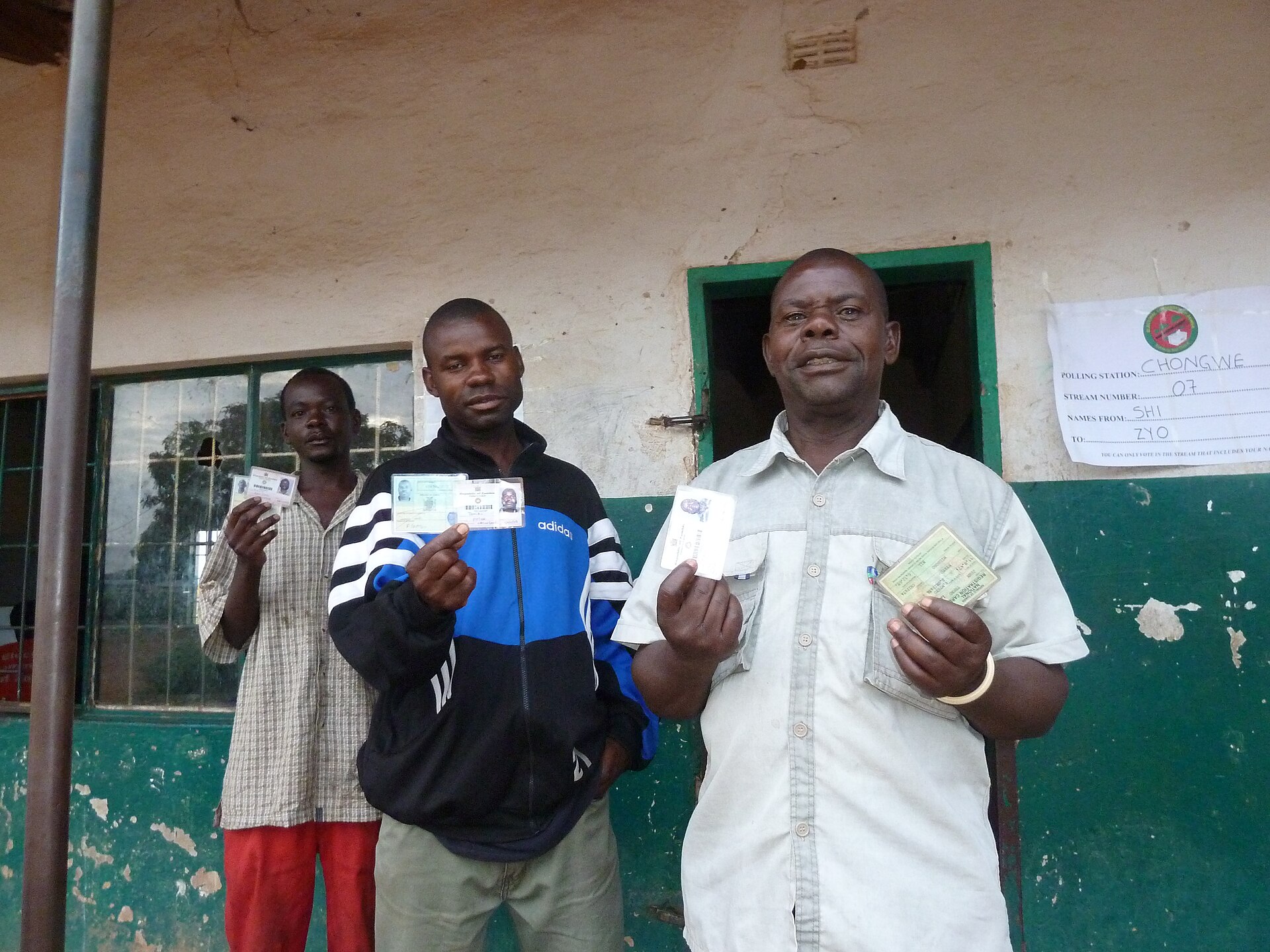
Zambia will hold presidential, parliamentary and local elections on Thursday, 13 August 2026. The Electoral Commission of Zambia has set polling from 06:00 to 18:00, while international observation is moving into its final phase. The Southern African Development Community plans to deploy observers across all ten provinces after launching its mission on 6 August, and a European Union mission is already operating in the country.
It is too early to assess the conduct or outcome of a vote that has not happened. The strategic issue now is institutional execution: whether election authorities, parties, media, security services, courts and observers can turn formal rules into a process that citizens regard as credible.
That matters beyond Zambia. The country is a major copper producer, an important link in southern African transport and power systems, and a state with a history of competitive transfers of power. Confidence in the election can influence investment, policy continuity and regional democratic expectations even when markets are not directly voting.
Election quality is operational
Credibility is often discussed in constitutional language, but polling depends on thousands of practical decisions. Materials must reach stations, staff must apply procedures consistently, voter identification must work, results must be recorded accurately and complaints must have legitimate routes for resolution.
Small failures can acquire national significance when information is scarce or trust is weak. A delayed station may be a logistics problem, yet online it can quickly be framed as intentional exclusion. Authorities therefore need rapid, specific communication that acknowledges incidents and explains corrective action.
The ECZ’s public timetable and candidate notices provide a common reference. The next requirement is consistency between central instructions and local practice. Training, chain-of-custody records and transparent result management are not administrative details; they are the mechanism through which political equality is expressed.
Observation supports, but cannot manufacture, trust
SADC’s mission will conduct pre-election, election-day and immediate post-election observation. The EU mission is assessing the process against Zambia’s legal framework and regional and international commitments, with a possible presidential run-off extending the calendar.
Observers can document conditions, compare practice with standards and provide independent findings. They cannot replace domestic institutions or declare every contested claim resolved. Their value is greatest when methodologies are clear, evidence is published and preliminary judgments remain distinct from final reports.
Political actors also carry responsibility. Parties should train agents, use formal dispute channels and avoid presenting unverified rumours as established facts. Peaceful participation includes accepting scrutiny of one’s own conduct, not only demanding it from opponents.
Information integrity is part of election infrastructure
Media organisations and electoral stakeholders recently pledged to follow ethical and balanced coverage guidelines after UNESCO-supported training. The initiative is timely because the final campaign period will generate legitimate argument alongside manipulated images, false results and inflammatory claims.
Speed is not the only journalistic value. Newsrooms need verification protocols for polling-station footage, official result sources and corrections. Platforms and telecommunications providers should preserve access while responding proportionately to coordinated harmful activity. Broad information restrictions can undermine transparency and create a vacuum in which rumours travel further.
Authorities should publish results and turnout information in formats that people, parties and civic groups can inspect. Machine-readable data, clear timestamps and explanations of revisions reduce dependence on screenshots and unofficial spreadsheets.
The economic signal comes after the vote
Businesses should prepare for temporary transport disruption, staff scheduling and payment delays without treating uncertainty as crisis. Contingency plans need verified triggers and clear responsibility. Overreaction can amplify anxiety; under-preparation can leave operations exposed.
After polling, the most important economic signal will be whether institutions handle results and disputes predictably. Investors can tolerate policy disagreement more easily than arbitrary process. A credible transition or renewed mandate gives companies a basis for planning, while prolonged institutional conflict raises financing and execution risk.
Zambia’s election should not be reduced to an external scorecard or a single election-night number. Its significance lies in the full system: access to the ballot, transparent counting, lawful challenge and restraint by those with power. The next nine days are an opportunity for institutions to demonstrate that political competition can remain compatible with administrative competence and public confidence.
Featured photograph: UK Department for International Development via Wikimedia Commons, licensed under CC BY-SA 2.0.


.jpg)