A Controversial Proposal Reshapes Energy Geopolitics
A recent announcement by former US President Donald Trump regarding a proposed deal to import Russian diesel has sent ripples through global political and economic spheres. The proposition, emerging amidst the protracted conflict in Ukraine, immediately sparked widespread controversy, drawing sharp criticism from both sides of the political aisle in the United States and raising concerns among international allies. This move threatens to unravel years of concerted efforts to isolate Russia economically and challenges the delicate balance of energy geopolitics that has defined the conflict.
The proposed arrangement involves the United States directly importing significant quantities of diesel fuel from Russia. While the specific terms and scale of the deal remain subject to further clarification, its mere announcement has ignited a firestorm, primarily due to its direct contradiction of the robust sanctions regime imposed by Western nations following Russia’s full-scale invasion of Ukraine. For many, such a deal represents a significant strategic shift, potentially providing a vital economic lifeline to Moscow at a critical juncture.
Domestic and International Outcry
The backlash within the United States has been swift and bipartisan. Lawmakers from both Republican and Democratic parties have voiced strong objections, citing concerns that importing Russian diesel would undermine the very sanctions designed to curb Russia’s ability to finance its war efforts. Critics argue that such a transaction would send a confusing signal to allies and adversaries alike, suggesting a weakening of resolve in the face of Russian aggression and potentially emboldening other nations to circumvent existing restrictions.
Beyond American borders, the implications are equally profound. International partners, who have largely aligned with the US and European Union in imposing economic penalties on Russia, view the proposed deal with alarm. It risks fracturing the united front that has been a cornerstone of the Western response to the conflict, potentially eroding trust and complicating future diplomatic efforts to address global security challenges. The economic leverage exerted through sanctions could be significantly diminished if a major global power like the United States re-engages in direct energy trade with Russia.
Kyiv’s Precarious Position
Ukrainian President Volodymyr Zelensky, while expressing a willingness to consider an “energy ceasefire” as proposed by Trump, articulated deep skepticism given the persistent reality on the ground. Zelensky underscored that Russia continues to actively target and destroy Ukraine’s energy infrastructure, including power plants, even as discussions of a truce emerge. This ongoing aggression makes any talk of an energy ceasefire feel premature and, for many in Kyiv, a dangerous distraction from the immediate need for defensive support and sustained economic pressure on Moscow.
The dissonance between the proposed deal and the lived experience in Ukraine highlights the profound challenges of navigating complex geopolitical landscapes. For Ukraine, an energy ceasefire would only be meaningful if accompanied by a genuine cessation of hostilities and attacks on critical infrastructure, which has not materialized. The prospect of the US importing Russian diesel, while Ukraine’s energy grid remains under assault, underscores the difficult position Kyiv finds itself in, reliant on international solidarity that now appears to be under strain.
The Shifting Sands of Global Energy Security
This proposed deal challenges the existing sanctions regime against Russia in fundamental ways. Sanctions are designed to reduce Russia’s revenue from energy exports, thereby limiting its capacity to fund its military. A direct import deal, regardless of its scale, would provide Russia with much-needed foreign currency, directly counteracting the intended effect of these economic measures. This could set a dangerous precedent, signaling to other nations that sanctions are negotiable or easily circumvented by powerful actors.
The impact on global diesel markets is another critical consideration. While the US is a significant energy producer, its demand for refined products like diesel can fluctuate, influencing global prices. Reintroducing Russian diesel into the US market could theoretically impact supply dynamics, potentially affecting global price stability. However, the political cost of such a move, in terms of undermining alliances and geopolitical strategy, far outweighs any marginal economic benefit for consumers, according to critics.
The situation highlights the delicate balance nations must strike between their domestic energy needs and broader foreign policy objectives. For the United States, ensuring affordable fuel for its citizens is a perennial concern. However, this must be weighed against the strategic imperative of supporting allies, upholding international law, and maintaining a coherent stance against aggression. The proposed deal suggests a potential reordering of these priorities, with significant consequences for global stability and the future of international cooperation.
A Precedent for Future Conflicts?
The long-term implications of such a deal extend beyond the immediate conflict in Ukraine. It could fundamentally alter the effectiveness of economic sanctions as a tool of foreign policy. If a major global power can unilaterally decide to re-engage economically with a sanctioned nation, it weakens the collective power of international pressure and could encourage other countries to pursue similar self-interested arrangements, thereby fragmenting global responses to future crises.
Furthermore, the move could embolden other nations that have been hesitant to fully commit to sanctions against Russia. If the US, a key architect of the sanctions regime, begins to soften its stance on Russian energy imports, it could provide cover for other countries to reconsider their own restrictions, leading to a broader erosion of the international consensus against Moscow. This would ultimately benefit Russia, allowing it to mitigate the economic impact of the war and potentially prolong the conflict.
In conclusion, the proposed US-Russia diesel deal represents a significant moment in contemporary geopolitics. It tests the resilience of international sanctions, challenges the unity of Western alliances, and forces a re-evaluation of the delicate interplay between energy security, economic interests, and foreign policy objectives. The global backlash underscores the profound implications of such a move, signaling a potential shift in the international order and raising critical questions about the future of collective action in times of conflict.
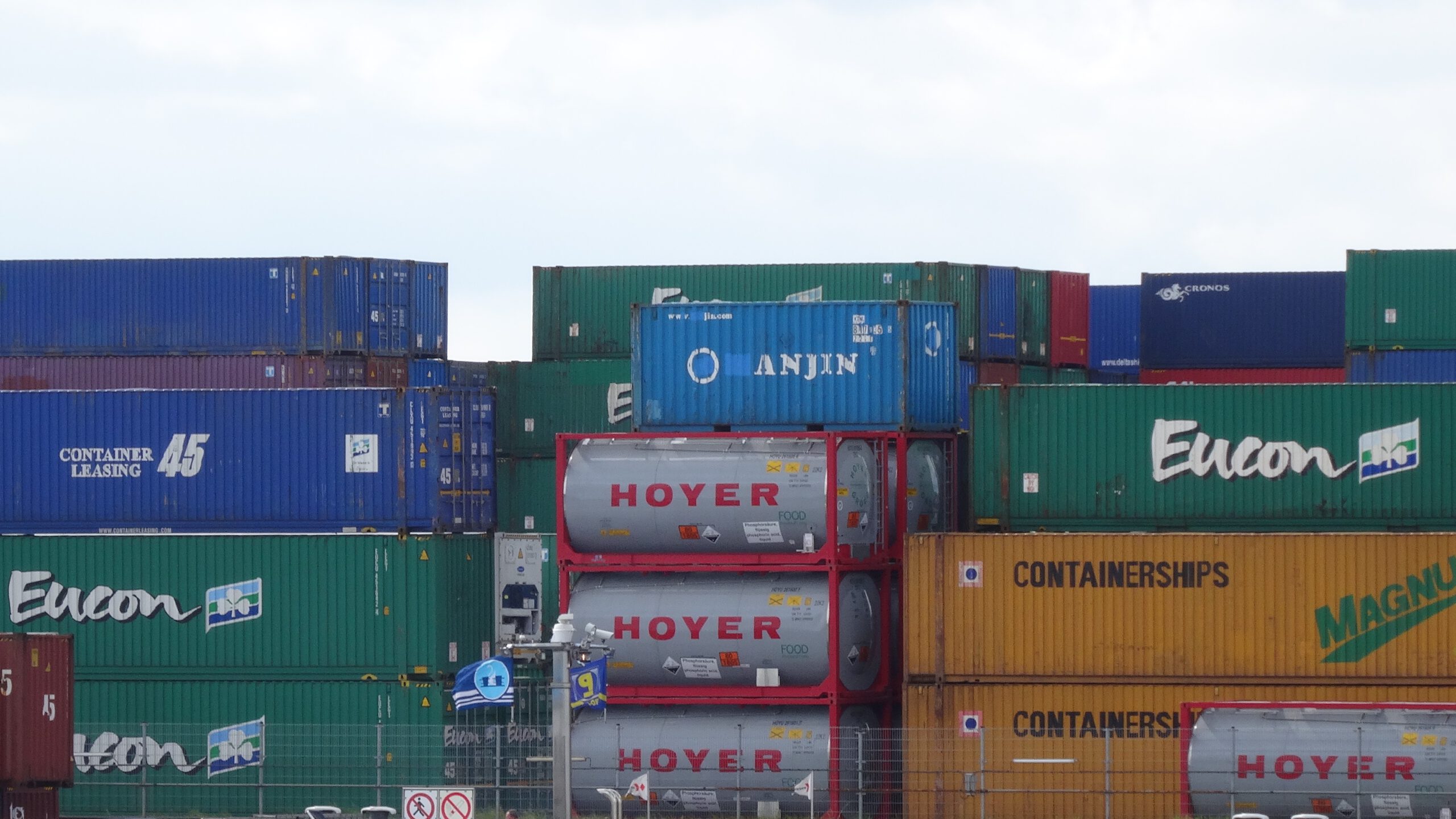
Featured image: AgainErick, licensed BY-SA, found via Openverse.