A recent agreement between the United States and Russia for the supply of Russian diesel has ignited a fierce diplomatic controversy, drawing sharp condemnation from Ukrainian leadership. Intended to stabilize American fuel prices ahead of crucial midterm elections, the deal is viewed by Kyiv as a direct financial lifeline to Moscow, potentially enabling its continued aggression in Ukraine. This controversial move underscores the complex interplay between domestic economic pressures, international sanctions regimes, and the brutal realities of ongoing conflict, raising profound questions about the coherence of global strategies aimed at isolating aggressor states.
The announcement by President Trump of a deal to import Russian diesel was framed as a necessary measure to alleviate soaring fuel costs for American consumers. With midterm elections rapidly approaching, the administration faces significant pressure to address economic anxieties, particularly those stemming from high energy prices. The rationale presented suggests that securing a stable and affordable supply of diesel, even from a sanctioned nation, was deemed essential to mitigate domestic political fallout and support the US economy. This decision highlights the persistent challenge faced by major global powers: balancing geopolitical objectives with the immediate economic well-being of their own populations.
Kyiv’s Outcry and the Cost of Conflict
The reaction from Ukrainian President Volodymyr Zelensky was swift and unequivocal. He sharply criticized the deal, characterizing it as an “investment in war that must be ended, not prolonged.” Zelensky argued that any financial transaction benefiting Russia, regardless of its stated intent, ultimately contributes to Moscow’s war chest, thereby funding the very conflict the international community purports to oppose. His condemnation was particularly poignant following a devastating Russian glide bomb attack on Zaporizhzhia, which killed at least 20 people, including children. Zelensky explicitly linked such attacks to Russia’s ability to sustain its military operations, suggesting the diesel deal provided a perverse form of “thanks” to Moscow.
This direct linkage by Ukraine’s leader underscores the profound moral and strategic dilemma the deal presents. For Kyiv, the war is an existential struggle, and any action perceived as bolstering Russia’s economic capacity is seen as a betrayal of the solidarity it expects from its allies. The deal risks eroding the unified front that has, to varying degrees, sought to impose economic costs on Russia for its invasion. It sends a mixed signal about the resolve of Western nations to fully isolate Russia, potentially undermining the efficacy of existing sanctions and diplomatic efforts.
Geopolitical Friction and Economic Realities
Beyond Ukraine’s immediate concerns, the US-Russia diesel agreement introduces significant friction into the broader geopolitical landscape. While the US administration emphasizes its domestic energy security and economic stability, allies committed to stringent sanctions against Russia may view the deal with apprehension. It could be interpreted as a pragmatic concession that prioritizes internal political considerations over a consistent, principled stand against aggression. Such perceived inconsistencies can strain alliances, complicate future diplomatic initiatives, and potentially encourage other nations to seek similar carve-outs or exceptions to sanctions regimes.
The global energy market further complicates this picture. Diesel, a critical fuel for transportation, industry, and agriculture, has seen significant price volatility due to geopolitical tensions and supply chain disruptions. The strategic importance of diesel cannot be overstated, particularly for economies heavily reliant on logistics and industrial output. The US decision reflects a harsh economic reality: completely disentangling from Russian energy supplies, even for a limited period, can have severe domestic consequences, including inflation and economic slowdowns, which are politically unpopular and economically damaging.
Analysts suggest that the Trump administration’s move is a calculated risk, aimed at demonstrating responsiveness to voter concerns about the cost of living. However, the long-term implications for international relations and the effectiveness of collective action against state aggression remain uncertain. The deal forces a re-evaluation of how Western nations balance their economic imperatives with their stated foreign policy objectives, particularly when confronting a major power like Russia.
The Path Forward: A Test of Resolve
The controversy surrounding the US-Russia diesel deal highlights a critical juncture in global affairs. It tests the resolve of international coalitions to maintain pressure on aggressor states while navigating complex domestic economic landscapes. The immediate impact on Ukraine is clear: a sense of betrayal and a perceived weakening of support. For Russia, the deal offers a potential economic reprieve and a propaganda victory, suggesting that Western unity against it is fragile and susceptible to internal pressures.
Moving forward, the international community will be watching closely to see how this deal influences the ongoing conflict in Ukraine and the broader dynamics of global energy trade. Will it lead to further fragmentation of sanctions efforts, or will it be viewed as an isolated, temporary measure? The answers will profoundly shape the future of international diplomacy, economic statecraft, and the ability of nations to collectively address challenges to global stability. The unintended consequences of energy diplomacy, as demonstrated by this diesel deal, serve as a stark reminder of the intricate and often contradictory forces at play in a multipolar world.
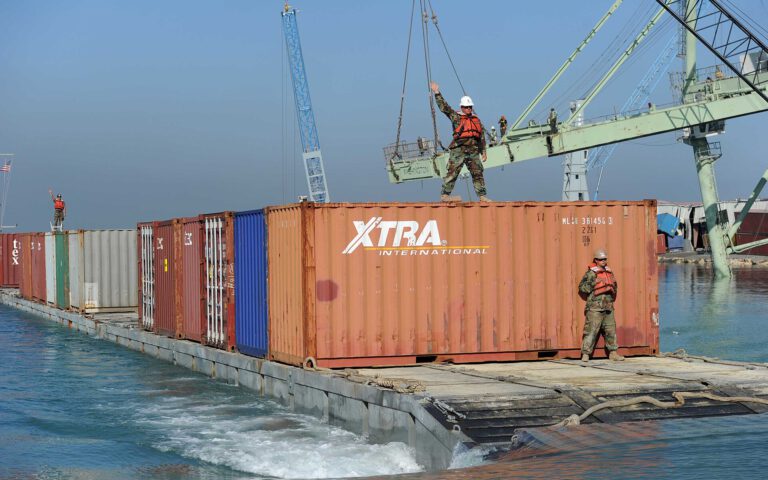
Featured image: Diplomatic Security Service from Washington, D.C., United States of America, Public domain, via Wikimedia Commons.