For decades, the prevailing paradigm of international humanitarian intervention has operated on a simple premise: mobilize sufficient capital, and relief will follow. When crises erupted, the primary metric of global solidarity was the dollar amount pledged by donor nations. However, as geopolitical fragmentation deepens and sovereign boundaries harden, this financial-first model is collapsing under the weight of physical and political realities. The international community is confronting a harsh structural truth: liquidity cannot bypass a blockade, and capital alone cannot rebuild a destroyed transit corridor.
This systemic bottleneck was recently highlighted by the United Nations, which stepped up emergency funding for 12 of the world’s most neglected crises. In doing so, international officials openly acknowledged a critical limitation: financial resources are useless without physical access. Securing open roads, maintaining open borders, and finding local leaders willing to facilitate the delivery of aid have become far more challenging—and far more critical—than securing donor commitments. Without these basic operational conditions, financial aid remains trapped in institutional accounts, unable to reach the populations in dire need.
The Failure of the Liquidity-First Model
The assumption that funding automatically translates into relief ignores the complex logistics of modern conflict zones. In highly contested environments, humanitarian access is frequently weaponized. Sovereign governments and non-state armed groups alike routinely employ bureaucratic delays, visa denials, and physical blockades as strategic tools. By controlling the flow of food, medicine, and fuel, combatants can exert leverage over civilian populations and international negotiators.
In this environment, the traditional humanitarian architecture is poorly equipped to cope. When local authorities refuse to guarantee the safety of aid convoys or deliberately shut down border crossings, the financial capacity of global institutions becomes irrelevant. The bottleneck is not a lack of money, but a lack of sovereign consent and physical security.
Active Conflict and the Collapse of Norms
The consequences of this structural paralysis are vividly apparent in active war zones. The ongoing conflict in Ukraine has been described by UN High Commissioner for Human Rights Volker Türk as a human rights catastrophe that is growing and intensifying by the week. Beyond the immediate loss of life, the conflict has systematically dismantled the physical infrastructure required for sustained humanitarian operations. Power grids, transport networks, and supply depots have been targeted, making the physical delivery of aid an incredibly hazardous endeavor.
Moreover, the conflict highlights a broader erosion of international humanitarian law. The concept of protected humanitarian corridors has been repeatedly compromised. When international norms are ignored with impunity, the physical risk to aid workers rises exponentially. This risk premium deters organizations from deploying personnel and resources, creating vast “black holes” where no aid can penetrate, regardless of how much funding has been allocated.
The Geopolitics of Neglect
While high-profile conflicts like the war in Ukraine dominate global headlines, the situation is often even more precarious in the world’s “forgotten” crises. In these regions, a toxic combination of donor fatigue, active hostilities, and diplomatic isolation leaves millions of people completely cut off from the global safety net. The UN’s recent efforts to direct resources toward these neglected emergencies underscore the difficulty of operating in areas where state authority has fractured or where the ruling regimes are actively hostile to international oversight.
To operate successfully in these environments, humanitarian agencies must shift their focus from fundraising to complex, localized diplomacy. This involves negotiating access agreements with a fragmented array of warlords, local militias, and corrupt officials. It also requires navigating a web of international sanctions that can inadvertently criminalize the delivery of essential goods. The operational reality of modern aid delivery is less about altruism and more about managing high-stakes geopolitical friction.
A New Paradigm for Global Relief
To address these systemic challenges, the global humanitarian system must undergo a fundamental shift in strategy. Policymakers and international organizations must recognize that physical access is a strategic asset that must be negotiated and defended, not simply assumed. This requires several key adjustments:
- Prioritizing Diplomatic Leverage: Donor nations must couple financial pledges with aggressive diplomatic efforts to secure access guarantees from recipient governments and warring factions.
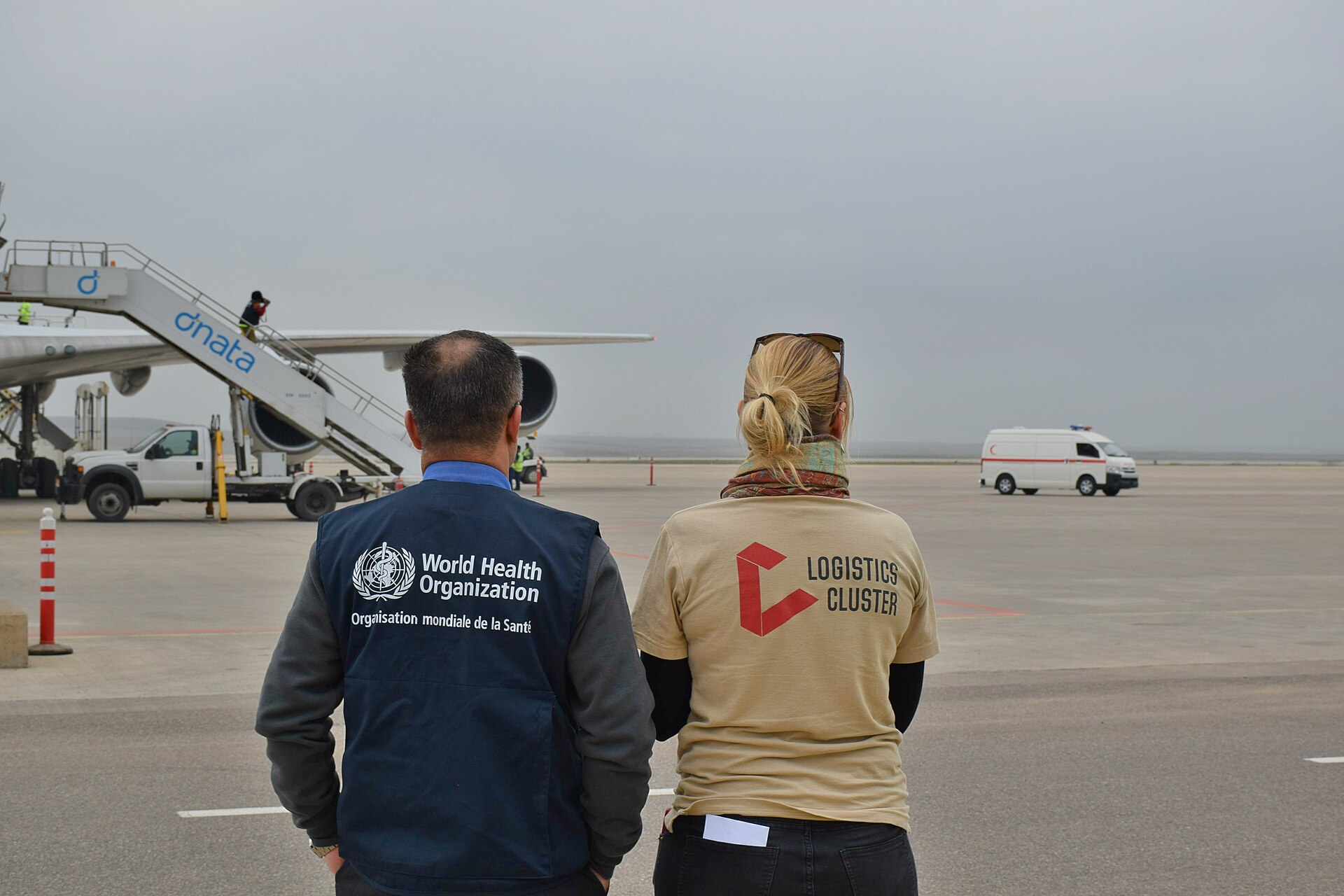
- Investing in Localized Logistics: Rather than relying entirely on large, centralized international agencies, global donors should invest in building the capacity of local non-governmental organizations that already possess the trust and access required to operate on the ground.
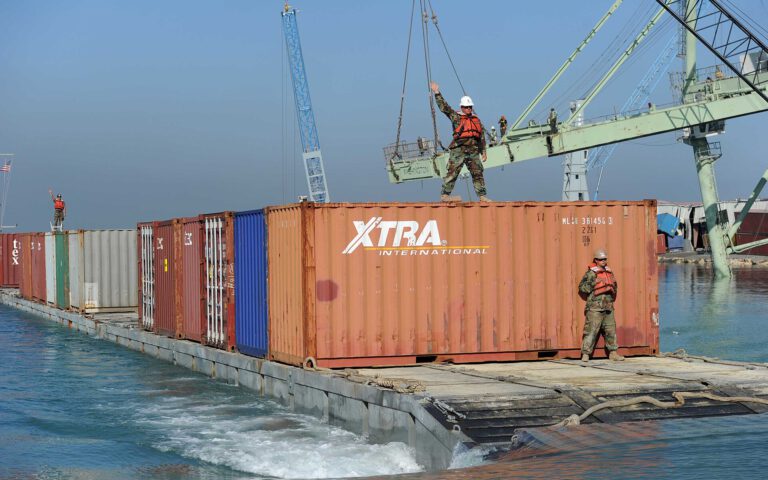
- Developing Resilient Supply Chains: Humanitarian logistics must be redesigned to withstand active disruption, utilizing decentralized distribution networks and alternative transport corridors.
Ultimately, the crisis facing global humanitarianism is not one of generosity, but of execution. As long as physical and political barriers are allowed to obstruct the flow of relief, the world’s most vulnerable populations will continue to suffer—no matter how many millions of dollars are pledged in their name.
Featured image: Joseluispaulinc, CC BY-SA 4.0, via Wikimedia Commons.