El Niño has crossed an important threshold from forecast risk to present operating condition. On 9 July, the US National Oceanic and Atmospheric Administration issued an El Niño Advisory, reporting that the phenomenon was continuing and expected to strengthen through the end of 2026. NOAA put the probability that it persists through early spring 2027 at 97%.
The World Meteorological Organization had already warned that most models pointed to at least a moderate event, with the possibility of a strong one. The change matters because organisations are no longer planning around a remote scenario. They are entering a period in which rainfall, heat and storm patterns may shift across multiple regions at once.
El Niño does not produce the same outcome everywhere, and it does not determine any single weather event. But it changes probabilities at global scale. In a world already warmed by long-term climate change, the resulting disruptions can compound existing stress in agriculture, electricity systems, water supply, transport and insurance.
The useful lead time is shrinking
Unlike an earthquake or sudden industrial failure, El Niño develops slowly and can often be anticipated months ahead. That makes it unusually suitable for preventive action. It also creates accountability: when a well-signalled climate shock produces avoidable losses, the failure is often institutional rather than informational.
FAO’s historical mapping identifies agricultural drought exposure across parts of Latin America, the Caribbean, Africa and Asia. Other locations may face excessive rain, flooding or stronger storm impacts. The correct response is therefore regional and crop-specific, not a universal declaration of drought risk.
Farmers can adjust planting calendars, select drought- or flood-tolerant seed, protect livestock and improve water storage. Governments can pre-position inputs, repair drainage and irrigation, update emergency procurement and prepare targeted cash support. Utilities can review hydropower assumptions and demand peaks. Insurers and lenders can contact exposed customers before losses undermine their ability to act.
Food supply chains face compound risk
A climate disruption rarely stays at the farm gate. Lower yields in one region can alter trade flows and prices elsewhere. Heat can reduce labour productivity and livestock output. Flooding can close roads, contaminate storage and delay ports. Fisheries can be affected as ocean temperatures and nutrient patterns change.
These effects interact with already elevated geopolitical and energy uncertainty. A business that models crop availability without transport, fuel, currency and trade-policy scenarios is likely to underestimate the true exposure. Buyers should identify concentrated origins, critical seasonal windows and suppliers with limited access to finance or water.
Diversification helps, but it should not become indiscriminate stockpiling that worsens shortages. Better measures include flexible contracts, alternative logistics routes, shared forecasting with suppliers and financing for resilience investments. The objective is continuity without transferring all risk to smaller producers.
Forecasts must reach the final mile
A technically accurate seasonal forecast creates little value if it arrives in the wrong language, at the wrong geographic scale or after farmers have committed their capital. Early-warning systems need trusted local delivery through agricultural advisers, cooperatives, mobile services and community organisations. Advice must be specific enough to support a decision.
Financing must also arrive before impact. Traditional disaster funding is often released after losses have occurred, when recovery is costlier and livelihoods have already deteriorated. FAO and WFP estimate that $202 million in anticipatory support could protect 8.8 million people exposed to El Niño-related extremes. Their proposed actions include resilient seed, water harvesting, micro-irrigation, animal-health support, flood defences and cash transfers.
The economic logic is straightforward: a smaller investment made before a predictable shock can preserve productive assets that would otherwise require much larger humanitarian and reconstruction spending.
Climate readiness is an operating capability
Boards and public agencies should treat seasonal climate intelligence as part of routine planning rather than an occasional sustainability exercise. The practical questions are immediate: which assets and suppliers are exposed, what decisions can still be changed, which indicators will trigger action, and who has authority to release funds?
Uncertainty is not a reason to wait. It is a reason to use staged decisions. Low-cost preparations can begin now, while larger commitments activate as regional forecasts sharpen. Scenario ranges should be updated rather than treated as fixed predictions.
El Niño will test whether institutions can act on credible warning before disruption becomes visible in prices and losses. The forecast already exists. Competitive and public value will come from converting that information into timely, local and financed action.
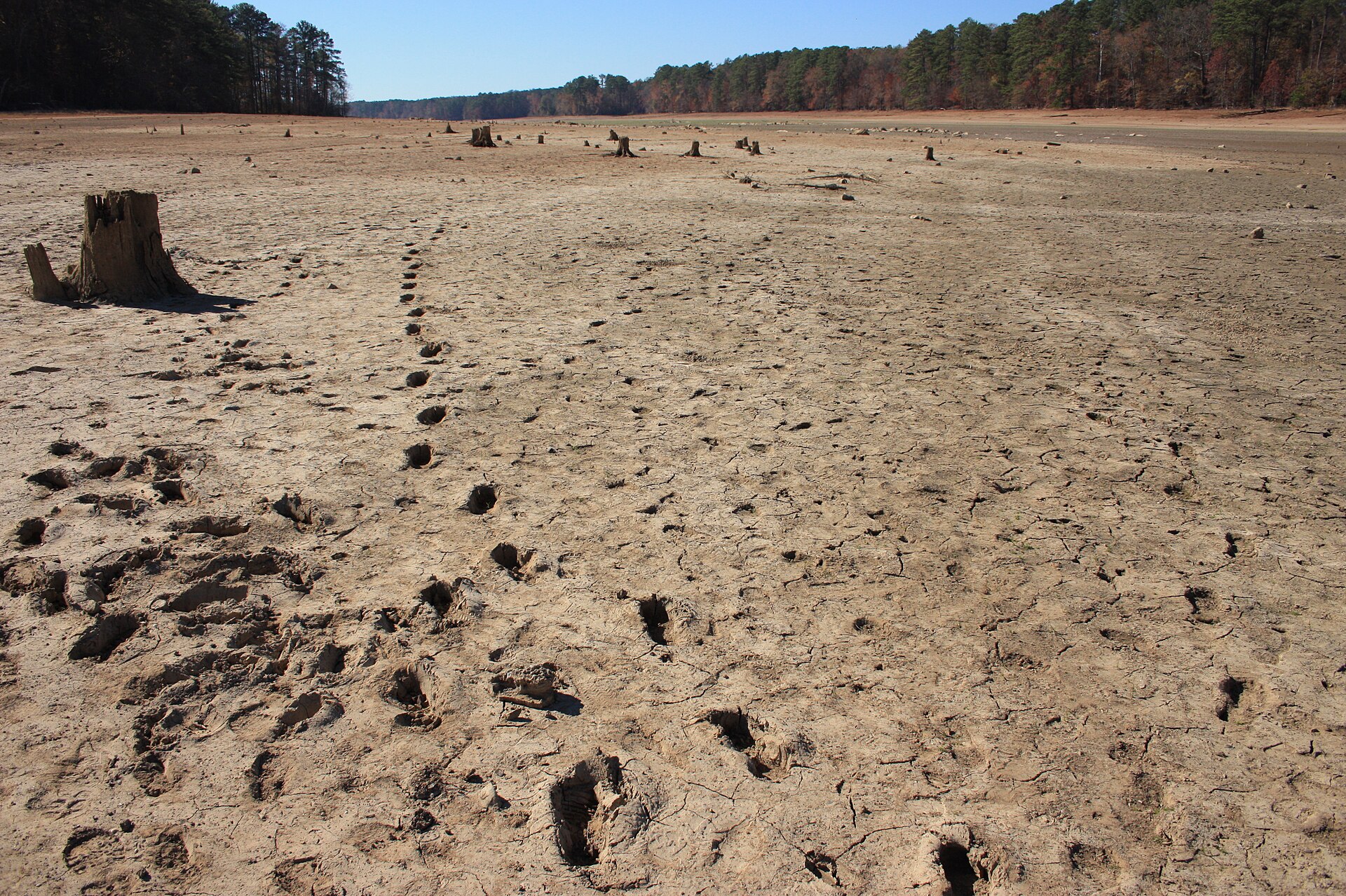
Featured photograph: Alabama Extension via Wikimedia Commons, dedicated to the public domain under CC0 1.0.