The delicate narrative of a global macroeconomic “soft landing” is facing its most severe test yet. For months, market participants and political leaders had anticipated a sustained easing of monetary policy, hoping that the aggressive tightening cycles of recent years had finally tamed inflation. However, a volatile mix of geopolitical conflict, supply-side energy shocks, and persistent domestic price pressures has forced a dramatic reassessment. The recent decision by the United States Federal Reserve to raise interest rates for the first time in three years represents a watershed moment, signaling that the battle against inflation is far from over and that central banks are prepared to defy intense political pressure to maintain price stability.
The Geopolitical Fuel of Inflation
The primary catalyst for this renewed hawkishness is not an overheating domestic economy, but rather a series of severe external shocks. The ongoing conflict in the Middle East has directly disrupted global oil supplies and critical maritime shipping corridors. These disruptions have rapidly translated into higher costs at the pump. In the United Kingdom, a sharp rise in petrol and diesel prices has pushed headline inflation higher, reversing previous downward trends and complicating the outlook for households and businesses alike.
When energy costs spike, the effects cascade throughout the entire economy. Transportation, manufacturing, and agricultural sectors immediately feel the squeeze, passing these costs onto consumers. For central banks, these supply-side shocks present a notorious policy dilemma. Raising interest rates cannot repair damaged infrastructure, secure shipping lanes, or increase oil production. Yet, if monetary authorities stand idle, there is a severe risk that these temporary price spikes will de-anchor long-term inflation expectations, leading to wage-price spirals that are far more difficult to resolve.
Divergent Paths and Tough Choices
This challenging environment is forcing central banks worldwide into difficult, and sometimes divergent, policy postures. In the United Kingdom, while the Bank of England is widely expected to hold interest rates steady in its immediate decision, the institution is facing increasingly narrow options. With inflation forecasts revised upward due to persistent energy volatility, financial analysts increasingly expect the Bank of England to resume rate hikes before the end of the year. The pause in tightening is likely a temporary reprieve rather than a permanent shift in strategy.
The situation in the United States is even more acute. The Federal Reserve’s unanimous decision to raise rates underscores a deep institutional concern that inflation remains structurally sticky. By moving forward with a rate hike, the Fed has signaled that it views the risks of premature easing as far greater than the risks of continued economic restriction. This decision has sent shockwaves through global financial markets, which had largely priced in a period of stability or even further rate cuts.
The Battle for Central Bank Independence
Beyond the immediate macroeconomic implications, the current tightening cycle has reignited a fundamental debate over central bank independence. The Federal Reserve’s rate hike was executed in the face of fierce, public opposition from the executive branch. President Donald Trump had repeatedly and publicly called for rate cuts, arguing that higher borrowing costs would stifle economic growth. By proceeding with a unanimous hike despite this political headwind, the Federal Reserve has reasserted its mandate-driven autonomy.
This tension is not unique to the United States. Globally, central banks are finding themselves in the crosshairs of political administrations that are highly sensitive to the electoral consequences of high interest rates. High borrowing costs increase the burden of sovereign debt service and slow down consumer spending, making them deeply unpopular. However, the historical consensus remains clear: central banks must remain insulated from short-term political pressures to effectively combat long-term inflationary forces. The current standoff highlights the growing friction between political cycles and macroeconomic reality.
Navigating a Fragmented Global Economy
As organizations attempt to plan for the coming years, they must operate under the assumption that capital will remain expensive for longer than previously anticipated. The era of cheap money and highly integrated, frictionless global supply chains is giving way to a more fragmented, volatile economic landscape. In this new environment, geopolitical risks are no longer secondary considerations for corporate strategists; they are primary drivers of capital costs and operational resilience.
Ultimately, the actions of the Federal Reserve and the looming decisions facing the Bank of England demonstrate that monetary policy cannot be decoupled from global security dynamics. As long as geopolitical conflicts continue to threaten energy infrastructure and trade routes, central banks will be forced to maintain a defensive, restrictive posture. For businesses, the mandate is clear: build resilience against both supply-side disruptions and the persistent threat of high borrowing costs.
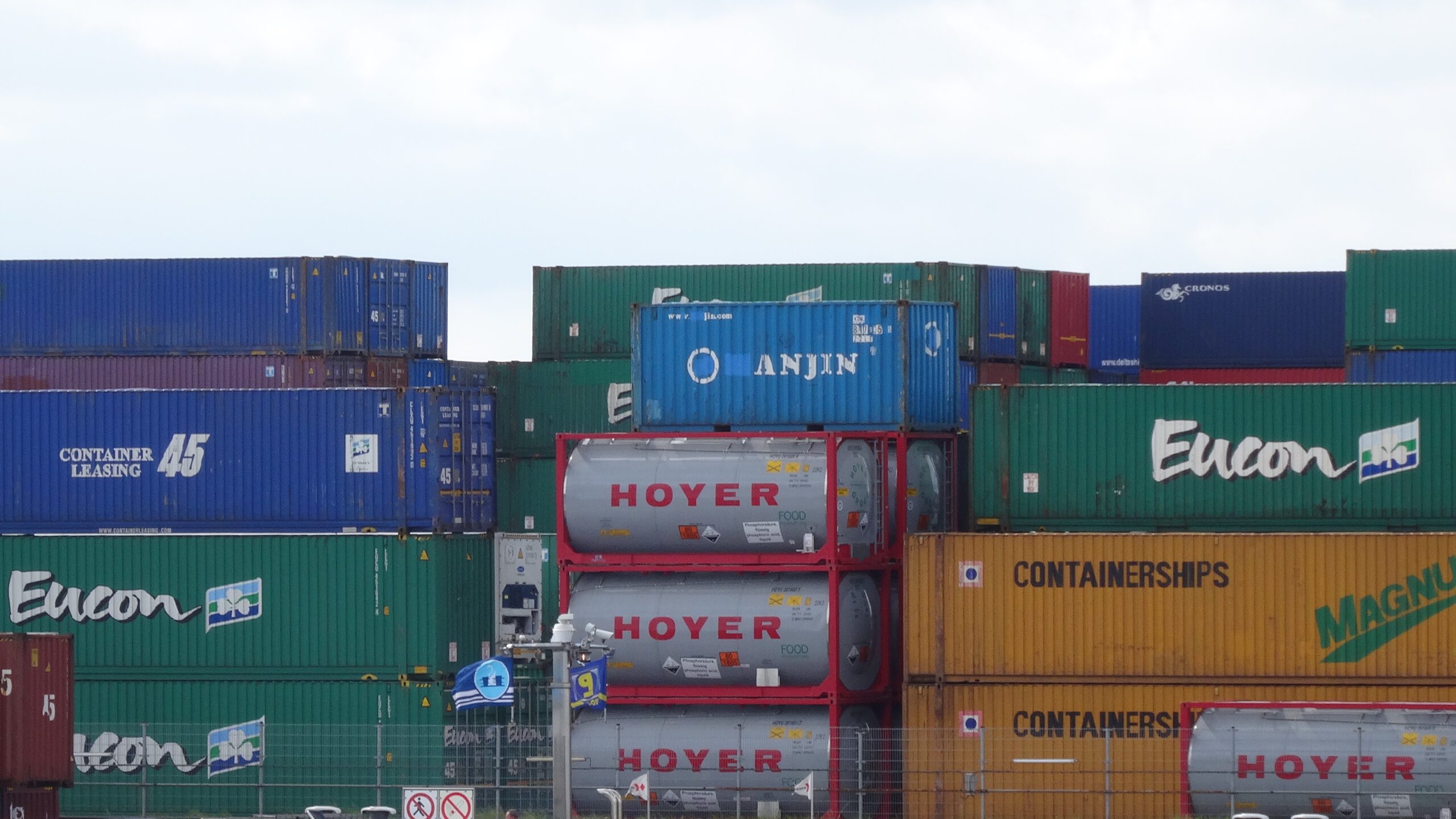
Featured image: AgainErick, licensed BY-SA, found via Openverse.