
The global landscape is increasingly defined by the far-reaching, systemic consequences of protracted regional conflicts. What might appear as localized skirmishes or humanitarian crises often trigger a cascade of effects that impact global security, economic stability, and the operational resilience of organizations worldwide. Recent developments underscore this interconnected vulnerability, from strained defense supply chains in major powers to volatile energy markets and escalating humanitarian emergencies.
Strained Defense Supply Chains
A stark illustration of this phenomenon comes from the Pentagon, where an inspector has confirmed significant U.S. munitions shortfalls directly attributable to the ongoing conflict with Iran. This revelation challenges previous assertions of limitless supply and highlights a critical bottleneck in the resupply chain for one of the world’s most advanced militaries. The sustained demand from active engagement, coupled with the complexities of modern industrial production, means that even a superpower can face limitations when confronted with prolonged military operations. For defense contractors and allied nations, this signals potential delays in procurement and a re-evaluation of strategic reserves, forcing a re-think of just-in-time logistics in a world of persistent conflict.
Volatile Energy Markets and Inflation
The economic repercussions of geopolitical instability are equally profound. The United Kingdom, for instance, has recently seen its inflation figures pushed higher by significant rises in petrol and diesel prices. This surge is explicitly linked to disruptions in global oil supplies, exacerbated by the Middle East conflict. Such energy price volatility directly impacts consumer purchasing power, corporate operational costs, and the broader macroeconomic outlook. Businesses reliant on transportation and energy-intensive processes face increased pressure on margins, while central banks grapple with the dilemma of curbing inflation without stifling economic growth. The vulnerability of global energy markets to regional conflicts remains a persistent and costly challenge.
Humanitarian Crises and Global Trade Choke Points
Further emphasizing the widening arc of conflict is the escalating situation in Yemen. The United Nations Security Council convened an emergency meeting to address rising violence, particularly concerning the critical Bab el-Mandeb Strait shipping route. This narrow waterway, a choke point for global maritime trade, is vital for the passage of oil and other goods between Europe, Asia, and Africa. Any significant disruption here poses a direct threat to global supply chains, potentially driving up shipping costs and causing delays that ripple through international commerce. UN agencies have also reported a dramatic increase in displacement, with nearly 100,000 people forced from their homes since fighting intensified earlier this month, including thousands fleeing to Djibouti. This humanitarian crisis, a direct consequence of the conflict, places immense strain on international aid organizations and host nations, diverting resources and attention from other global challenges.
The human cost of these conflicts is tragically evident in places like Gaza City, where a war-damaged building, reportedly housing ten families, recently collapsed, killing at least twelve people and leaving dozens missing. This incident serves as a grim reminder that beyond the strategic and economic calculations, prolonged conflict devastates civilian infrastructure and lives, creating conditions of extreme vulnerability long after active hostilities might subside in a particular area. The cumulative effect of such destruction on societal fabric and future reconstruction efforts is immense, often requiring decades to overcome.
Implications for Global Operations
For organizations operating in this complex global environment, these developments necessitate a fundamental shift in strategic planning. Supply chain resilience can no longer be a theoretical exercise but a critical operational imperative, requiring diversification of sourcing, robust risk assessment, and contingency planning for disruptions in key transit routes. Energy price hedging and efficiency measures become more crucial than ever. Furthermore, the humanitarian fallout from conflicts demands greater corporate social responsibility and engagement, as businesses increasingly find their operating environments intertwined with regions facing acute crises.
The interconnectedness of global systems means that a conflict in one region can swiftly translate into munitions shortages for distant powers, inflationary pressures in major economies, and humanitarian catastrophes that strain international resources. Understanding these cascading effects is paramount for leaders seeking to navigate a world where the battlefield’s boundaries are increasingly blurred, and its consequences are felt far beyond its immediate borders. The imperative is to recognize that stability is a shared global asset, and its erosion in any one region carries a tangible cost for all.
The persistent nature of these challenges suggests that the current era is not merely one of isolated incidents but rather a period characterized by systemic vulnerabilities that demand integrated, proactive responses from governments, international bodies, and the private sector alike. Ignoring the widening arc of conflict and its multifaceted impacts is no longer a viable option for any entity seeking to compete and operate effectively on the global stage.
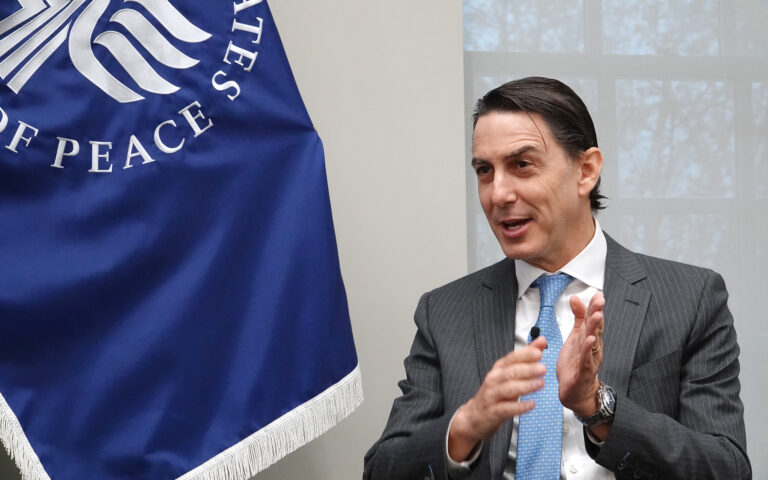
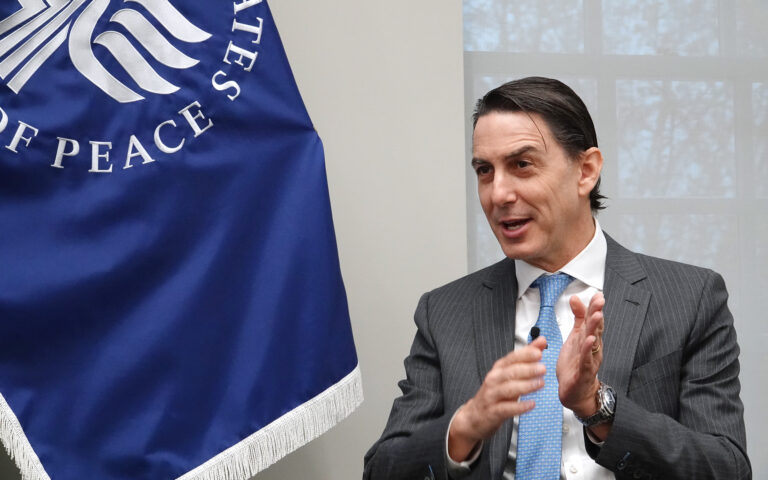
Featured image: U.S. Institute of Peace, licensed BY, found via Openverse.