
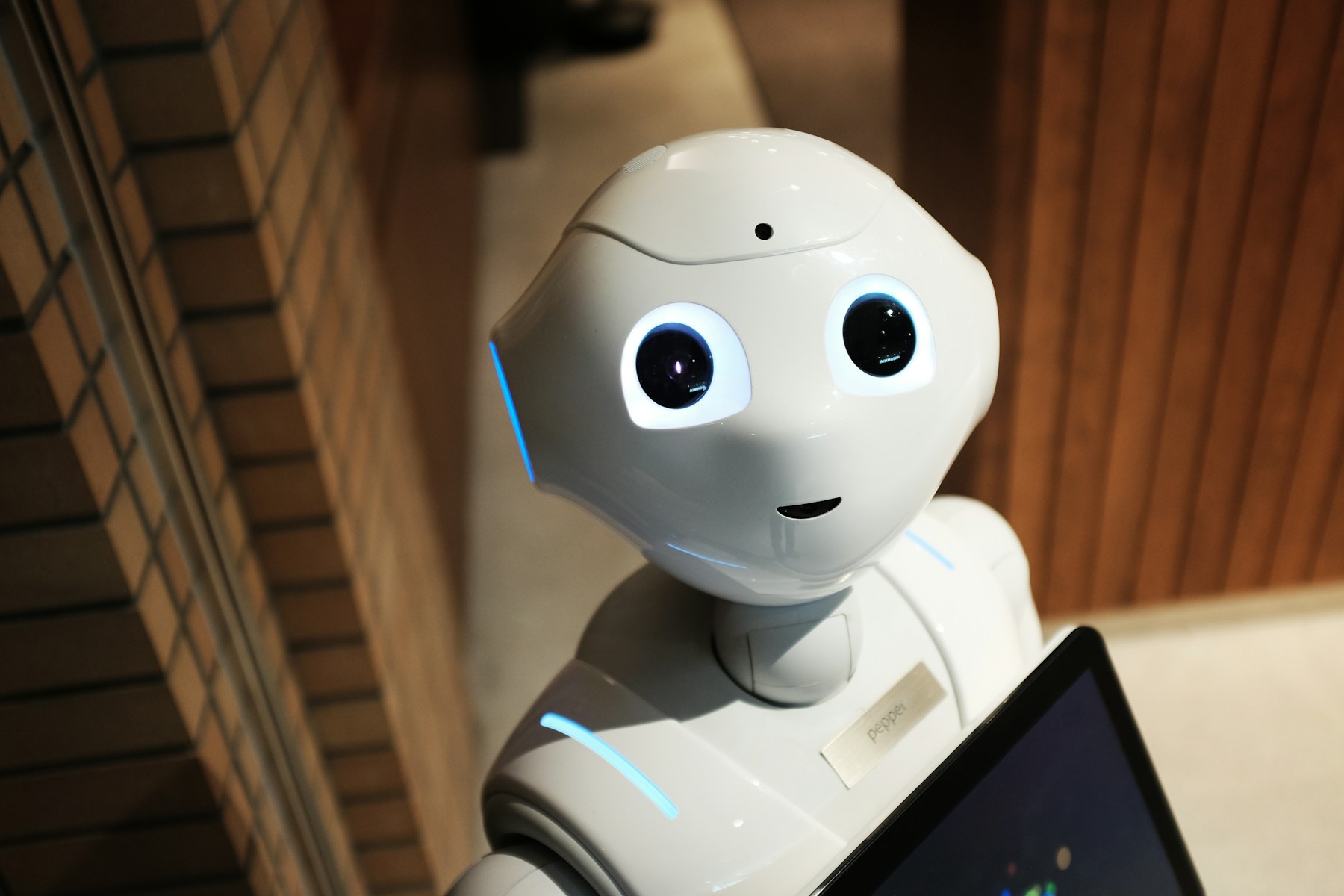
Humanoid robots have been compelling demonstrations for years. In 2026, the conversation is moving toward deployment. Manufacturers are testing machines in logistics, inspection, material handling, and repetitive production tasks designed around the human form.
Why the human form matters
Factories and warehouses were built for people. Doors, stairs, tools, shelves, and workstations reflect human proportions. A capable humanoid can theoretically enter that environment without forcing the company to redesign every physical process.
Commercialisation will still be unforgiving. Machines must operate safely for long periods, recover from uncertainty, and deliver an economic return after maintenance, integration, and supervision are included. A polished demonstration is not the same as dependable shift work.
The operating model changes first
Early adopters should select constrained tasks with clear success measures. They also need a plan for workforce training, safety governance, and the data created by machines working alongside people.
The most useful robots may not look revolutionary in practice. They will take on dull, strenuous, or hazardous work while the organisation learns how physical intelligence fits into its wider system.
Image credit: Original photograph via Unsplash.
References: Mitsubishi Motors, Humanoid Robot Collaboration, 2026; TrendForce, Humanoid Robot Commercialization, 2026.