
The global macroeconomic landscape in late 2026 presents a striking paradox for policymakers and market analysts alike. On one hand, localized, high-tech industrial surges—most notably the commercial artificial intelligence boom—are injecting unexpected vitality into major economies, defying expectations of a broad slowdown. On the other hand, stubborn, supply-side inflationary pressures, particularly in fuel and energy, continue to squeeze household budgets and keep headline inflation figures uncomfortably high. This friction is creating a highly unequal, two-speed economy that complicates the mandate of central banks worldwide.
The Sectoral Surge: Tech-Driven Resilience
The resilience of certain advanced economies has caught forecasters by surprise, largely driven by intense capital expenditure in digital infrastructure and services. In the United Kingdom, for instance, the economy expanded by an unexpected 0.4% in July 2026, a significant departure from the flat growth predicted by most mainstream analysts. Official data attributes this expansion directly to the ongoing AI boom, which has stimulated demand for specialized professional services, data center operations, and software development.
This tech-driven growth is not merely a localized phenomenon; it represents a broader structural shift where high-margin, capital-intensive digital sectors are operating on a different business cycle than the rest of the economy. While traditional retail, hospitality, and manufacturing grapple with high borrowing costs and subdued consumer sentiment, the digital economy remains buoyed by massive corporate investments. This creates a buffer for national GDP figures, masking underlying vulnerabilities in more sensitive, consumer-facing sectors.
The Persistent Inflationary Undercurrent
Despite these pockets of technological dynamism, the broader consumer economy is facing a persistent squeeze. In the United States, consumer prices rose by 3.4% in the 12 months leading to August 2026, driven primarily by rising fuel and energy costs. This persistent inflation acts as a regressive tax on households, directly eroding disposable income and dampening consumer confidence. When basic necessities like gasoline, heating, and electricity remain expensive, household budgets are compressed, leaving little room for discretionary spending.
The persistence of these energy-driven price pressures suggests that the inflationary shocks of the early 2020s were not entirely transitory, but rather structural. Geopolitical tensions, supply chain reconfigurations, and the capital demands of the global energy transition have combined to keep energy costs volatile and elevated. As a result, even as supply chains for manufactured goods normalize, the cost of moving goods and powering homes keeps the baseline cost of living high.
The Central Bank Dilemma: Blunt Tools for Complex Markets
This divergence between a booming tech sector and a squeezed consumer base presents a profound dilemma for monetary authorities. Central banks are forced to navigate a landscape where standard monetary policy tools—primarily interest rates—are increasingly blunt instruments. With inflation remaining sticky and energy costs threatening to spark secondary price hikes across other sectors, there is a growing consensus that interest rates could rise again across the world in the coming months.
If central banks choose to raise rates further to combat energy-driven inflation, they risk severely damaging non-tech sectors that are already highly vulnerable to expensive credit. Small businesses, construction, and traditional manufacturing rely heavily on affordable debt to maintain operations and fund capital projects. Conversely, the booming AI and technology sectors, backed by deep-pocketed venture capital and massive corporate cash reserves, are relatively insulated from marginal interest rate hikes. Consequently, further monetary tightening may do little to cool the tech boom while disproportionately harming the rest of the real economy.
The Risk of a Bifurcated Recession
The ultimate danger of this macroeconomic divergence is the emergence of a bifurcated recession. In this scenario, the headline economic indicators—buoyed by high-value tech services and digital infrastructure investment—may suggest stability or even modest growth, while the lived experience of the average household and small business resembles a deep downturn. This disparity threatens to widen the wealth gap and fuel socio-political instability, as the benefits of the digital transition remain concentrated while the pain of high interest rates and energy costs is felt universally.
To navigate this challenging environment, policymakers may need to look beyond aggregate GDP figures and adopt more granular, sector-specific metrics. Relying on blunt monetary tightening to solve supply-side energy crises while ignoring the structural shifts driven by the technology sector risks exacerbating economic inequality and triggering a prolonged period of stagflation for the non-digital economy.
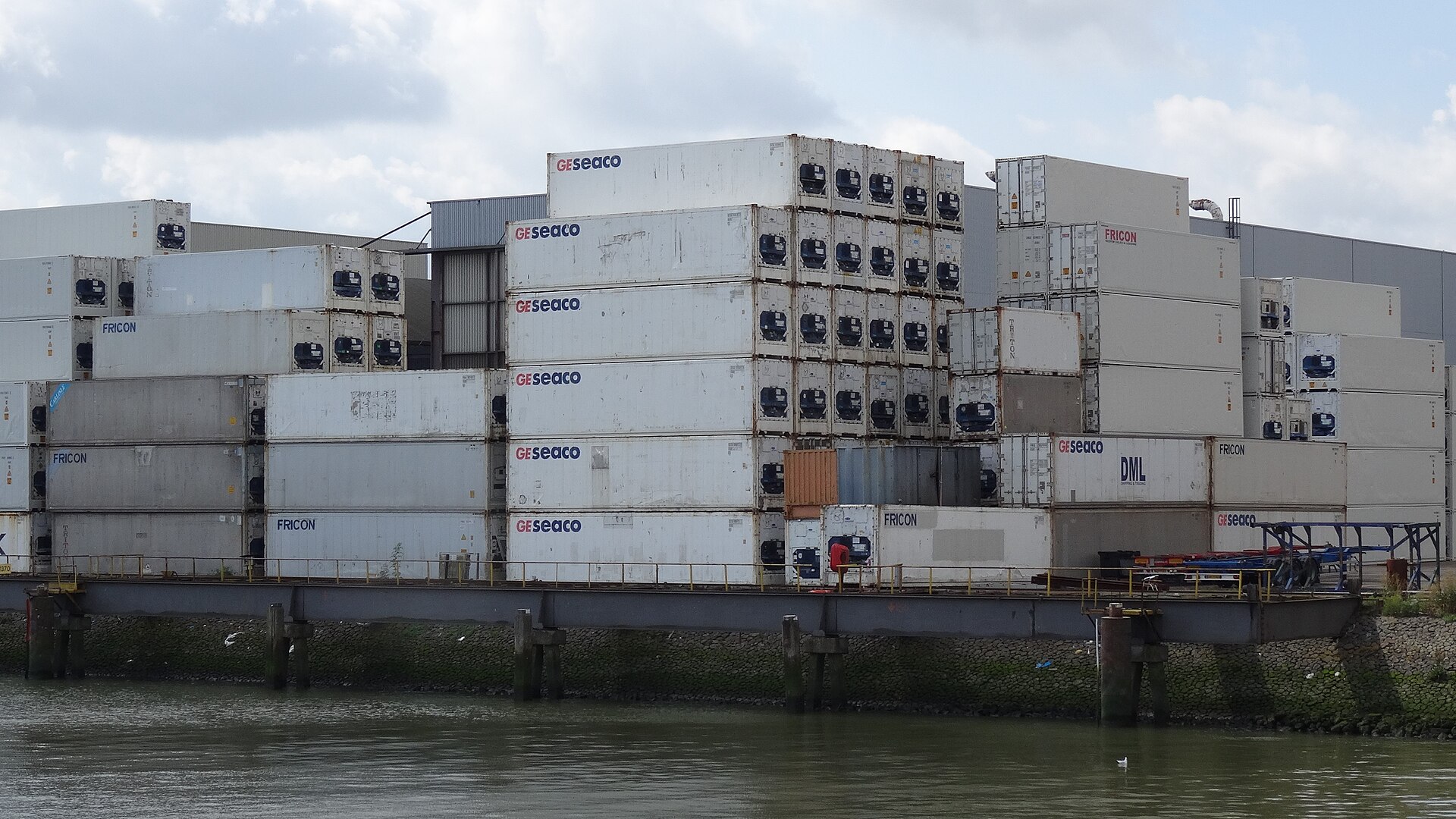
Featured image: AgainErick, CC BY-SA 4.0, via Wikimedia Commons.