International humanitarian architecture relies on a fundamental legal and operational bargain: the recognition of institutional neutrality, the protection of agency assets, and guaranteed access to vulnerable populations. When state actors erode these institutional immunities, the mechanics of crisis response suffer immediate disruption. Recent developments in contested territories illustrate this operational friction in sharp relief. Even as multilateral agencies coordinate high-volume food deliveries to counter severe hunger across Gaza, the physical footprint available to these organizations continues to contract under direct legal and political pressure.
The Contested Sanctuary of Multilateral Assets
The unilateral seizure of municipal, administrative, and educational facilities—exemplified by the recent confiscation of the Kalandia vocational training center in East Jerusalem—marks a critical structural shift in how host authorities interact with United Nations entities. Facilities like Kalandia do not merely exist as physical real estate; they serve as anchored operational nodes designed to build human capital, deliver technical training, and foster economic stability among displaced populations. The loss of such infrastructure strips humanitarian mandates down to bare emergency survival while dismantling long-term civic continuity.
When occupying or host authorities assert territorial dominion over international agency property, the immediate consequence is the displacement of essential staff and programs. However, the broader structural impact is far more severe. The removal of structured vocational education forces young populations into prolonged economic marginalization, creating deep community dependency on direct aid relief and expanding the overall mandate burden placed upon international donors.
Legal Immunity and the Precedent of Expropriation
Beyond regional social impacts, the expropriation of multilateral assets directly undermines the international conventions governing diplomatic and humanitarian privileges. Codified framework agreements immunize United Nations property from domestic search, requisition, or confiscation to ensure that aid operations remain independent from host-state political leverage. When sovereign entities bypass these protections without encountering decisive multilateral counter-measures, the baseline guarantees protecting international aid workers and facilities across global conflict zones begin to erode.
This erosion creates a dangerous operational precedent. If state actors can reclassify, occupy, or dismantle UN infrastructure under domestic legal pretexts, international organizations face heightened risks of arbitrary asset loss in operational environments worldwide. This dynamic complicates logistics, inflates insurance costs, and delays capital deployment for critical infrastructure projects in high-risk regions.
Operational Friction in High-Risk Logistics
Logistically, executing crisis relief under contested sovereignty requires continuous navigation of checkpoints, supply bottlenecks, and administrative restrictions. While multilateral organizations continue to coordinate large-scale relief distributions to reach hundreds of thousands of civilians facing acute food insecurity, these distribution networks remain highly fragile. Physical asset loss directly degrades administrative throughput, limiting an agency’s ability to store cargo, coordinate transport, and process frontline personnel.
Emergency food distribution cannot function as a long-term substitute for functioning civic institutions and protected operational hubs. When training facilities, regional offices, and logistics depots are closed or repurposed by state action, the institutional memory and supply capacity of the entire humanitarian pipeline suffer measurable decay.
Systemic Risks to Crisis Governance
The convergence of physical asset expropriation and acute population reliance underscores a systemic vulnerability in modern international governance. Multilateral organizations are increasingly required to perform critical quasi-governmental functions—such as operating vocational schools, delivering primary healthcare, and organizing primary logistics—without receiving the enforceable legal protections required to safeguard their operational bases. As international aid budgets face growing fiscal pressure and donor fatigue, the physical loss of operational infrastructure forces agencies to divert scarce funds toward renegotiating access and securing temporary operational substitutes.
Preserving the integrity of international crisis response requires re-establishing firm global adherence to institutional immunities. Without clear mechanisms to protect multilateral infrastructure from state expropriation, the capability of international institutions to mitigate humanitarian crises, sustain civilian resilience, and maintain cross-border stability will continue to decline.
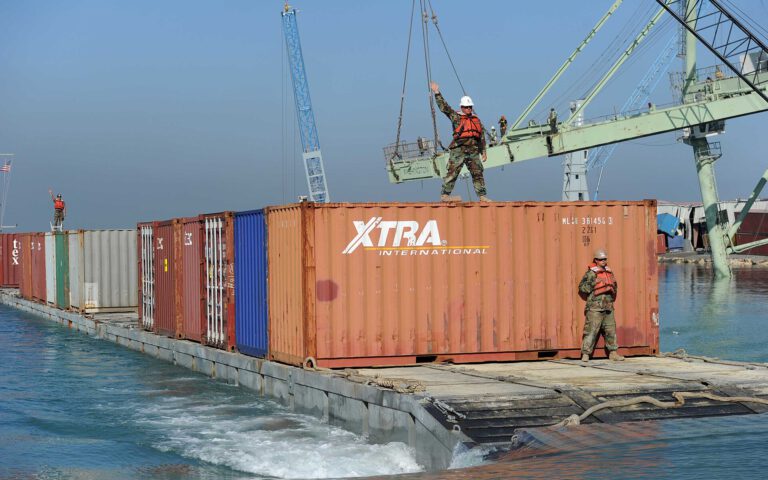
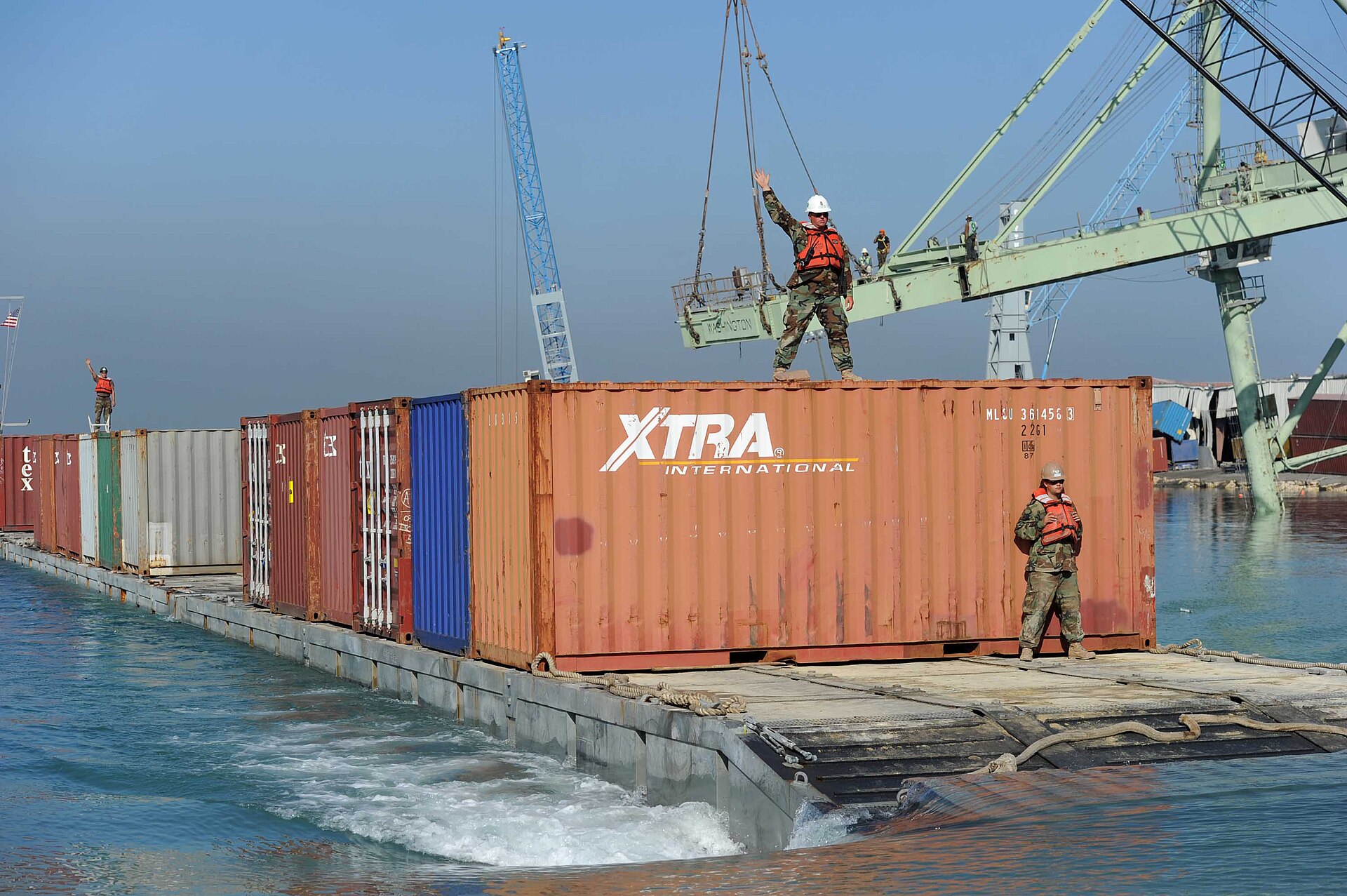
Featured image: LS1 Kelly Chastain, Public domain, via Wikimedia Commons.