
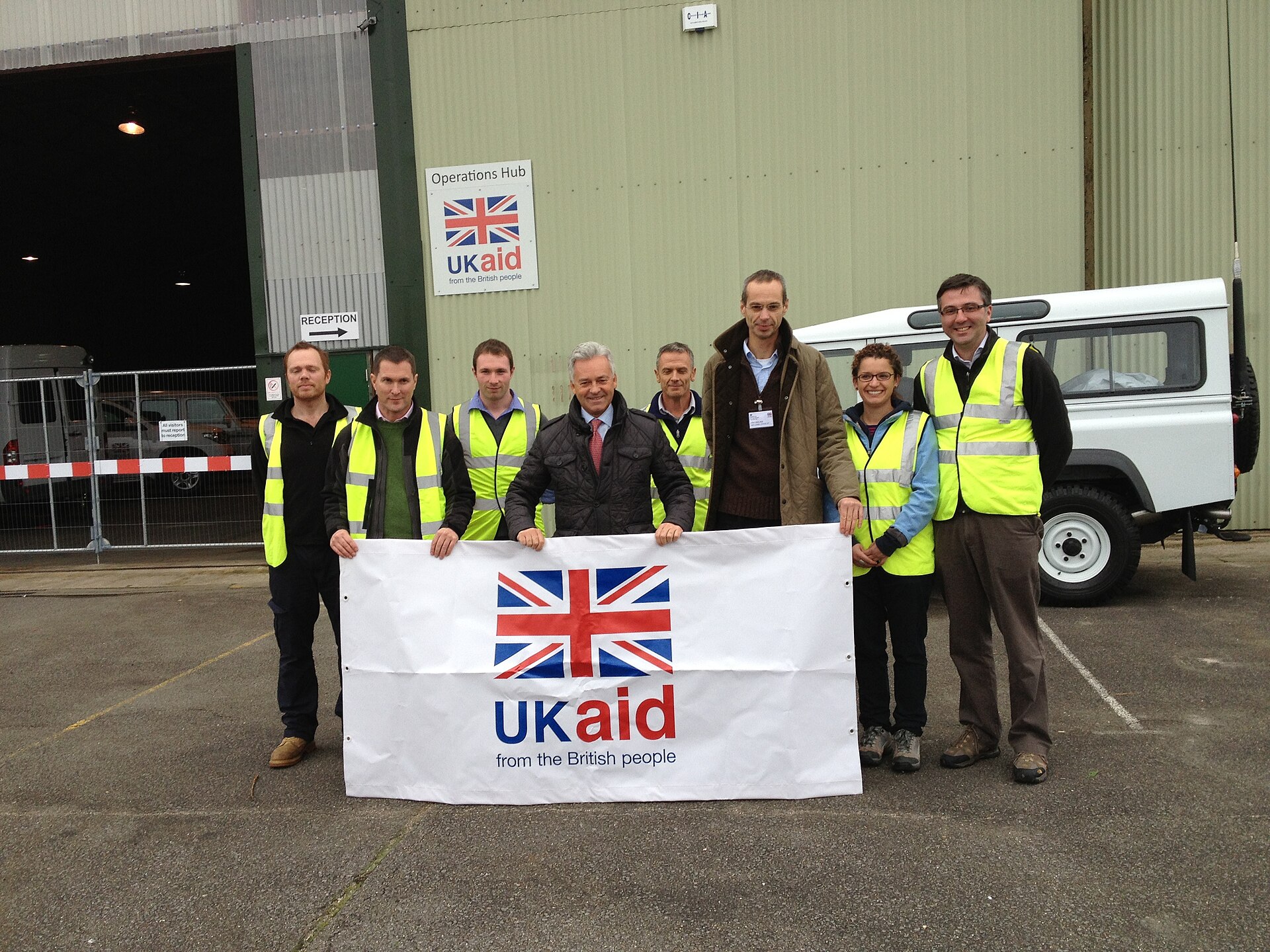
The operational environment for international non-governmental organizations and multilateral aid agencies is undergoing a fundamental structural shift. For decades, the delivery of emergency relief in high-risk zones relied on established deconfliction protocols, visible neutrality markings, and a shared operational understanding that civilian non-combatants were shielded from direct military targeting. Today, two converging dynamics are rapidly eroding that operational sanctuary: the proliferation of low-cost, uncrewed aerial systems across tactical battlefields and the accelerating frequency of compound environmental shocks within active conflict zones. As battlefield technologies democratize and seasonal weather extremes worsen, humanitarian access is becoming increasingly fragmented, dangerous, and unpredictable.
The Proliferation of Tactical Aerial Systems
The widespread adoption of uncrewed aerial vehicles has fundamentally altered front-line military dynamics and disrupted traditional humanitarian safeguards. Historically, deconfliction frameworks required aid organizations to share precise geographic coordinates, flight paths, and travel schedules with central command structures of state militaries. However, the modern combat theater features an array of commercial off-the-shelf drones, modified loitering munitions, and semi-autonomous reconnaissance platforms operated by decentralized units and non-state armed groups. Small uncrewed systems frequently lack advanced target classification capabilities, while remote operators positioned far from the line of contact can easily misidentify civil logistics convoys or food distribution staging depots as high-value military supply lines.
Furthermore, the fragmentation of armed command structures complicates classical diplomatic outreach. When non-state actors or irregular militias deploy autonomous or teleoperated platforms without adhering to international humanitarian law or unified chains of command, traditional guarantees of safe passage carry little practical weight. Tactical drones have effectively eliminated safe rear areas, exposing field stations, warehouse infrastructure, and mobile medical units to continuous aerial observation and kinetic strikes. Consequently, aid workers are increasingly operating in environments where visible humanitarian branding offers no protection, forcing relief missions to suspend operations or withdraw entirely from volatile corridors.
Compound Crises and Converging Vulnerabilities
The operational hazards generated by uncrewed warfare do not occur in isolation; they serve as severe force multipliers when overlapping with environmental and seasonal disasters. In Sudan, escalating active hostilities have displaced hundreds of thousands of people in recent months, pushing rural and urban populations into temporary shelters with minimal access to basic sanitation or potable water. This massive human movement has directly coincided with destructive seasonal flooding, which has washed away vital transport arteries, destroyed river crossings, and inundated emergency camps.
When physical infrastructure collapses due to floods or storms, humanitarian logistics are forced into narrow, highly predictable transit routes. Navigating these constrained choke points makes supply vehicles acutely vulnerable to loitering aerial threats, leaving field teams trapped between impassable terrain and airborne surveillance. A similar operational complexity exists in Lebanon, where despite the return of hundreds of thousands of displaced individuals to their origin communities following pauses in local clashes, shattered municipal utilities, unexploded ordnance, and damaged roads create massive bottlenecks for international aid agencies trying to restore basic services. When physical destruction combines with volatile security conditions, emergency distribution networks suffer severe delays.
Strategic Adaptation and Operational Realities
Faced with these dual pressures, international humanitarian institutions are being forced to adapt their operational doctrines. Traditional high-visibility logistics columns are increasingly giving way to decentralized supply chains, localized procurement networks, and remote aid management models. By relying more heavily on local civil society groups and community-based distribution nodes, international agencies aim to reduce the target profile of large aid convoys. However, these adaptations come with substantial trade-offs: decentralized operations often lack the volume and velocity required to address rapid, large-scale famine or disease outbreaks, and they shift physical security risks onto local personnel who frequently lack technical protection or emergency evacuation resources.
To maintain basic humanitarian access in an era defined by uncrewed warfare and compound climate shocks, the international community must rethink both legal enforcement and operational logistics. Deconfliction frameworks require urgent modernization to account for low-altitude drone traffic, real-time spatial mapping, and decentralized combatant groups. Without binding accountability mechanisms for the misuse of autonomous platforms and investment in resilient transport corridors, the safe space in which relief agencies operate will continue to contract, leaving vulnerable populations isolated in the world’s most perilous conflict zones.
Featured image: DFID – UK Department for International Development, CC BY 2.0, via Wikimedia Commons.

.jpg)