
The operational and economic equilibrium of global coastal zones is undergoing a profound structural shift. As enclosed marine ecosystems experience compounding ecological pressures, adjacent population centers and global commercial hubs face an intensifying frequency of severe atmospheric events. What was historically managed as an isolated, episodic environmental risk is increasingly manifesting as a continuous operating constraint for international trade networks, civil infrastructure, and urban resource management.
The intersection of oceanographic warming, severe weather patterns, and dense coastal development presents a complex challenge for regional governance. Strategic planning models built on mid-twentieth-century historical averages are proving increasingly inadequate as baseline environmental conditions deteriorate. From the highly enclosed waters of regional seas to the densely populated coastlines of East Asia, economic actors are being forced to confront the systemic limits of traditional coastal defense and emergency preparedness strategies.
The Expanding Environmental Burden on Marine Basins
Enclosed and semi-enclosed marine basins serve as vital thermal, ecological, and economic buffers for surrounding sovereign states. They anchor major international maritime transport lanes, support rich commercial fisheries, and sustain significant regional tourism economies. However, because these bodies of water feature restricted water exchange with open oceans, they absorb temperature increases and environmental pollutants at an accelerated pace. Declining biodiversity, rising sea temperatures, and structural habitat degradation are rapidly compromising the natural ecosystem services that coastal communities have relied upon for generations.
The operational consequences of this ecological strain extend far beyond environmental policy discussions. Declining marine health directly undermines regional food security, destabilizes littoral commercial sectors, and alters regional microclimates in ways that exacerbate land-based agricultural volatility. Furthermore, as natural buffers such as mangrove forests, coastal wetlands, and coral reefs weaken under climate stress, coastal infrastructure becomes markedly more vulnerable to tidal fluctuations, storm surges, and saltwater intrusion into freshwater aquifers.
Institutional responses to marine basin degradation often suffer from fragmented regulatory jurisdiction. Because semi-enclosed seas are typically shared by multiple nations with differing regulatory frameworks and economic priorities, coordinated environmental stewardship remains difficult to enforce. As a result, commercial activities continue to exert heavy localized pressure even as the broader marine system approaches critical ecological thresholds.
- Accelerated Thermal Absorption: Restricted ocean circulation causes semi-enclosed water bodies to warm faster, altering marine habitats and intensifying regional storm dynamics.
- Ecosystem Deficit: The degradation of natural coastal buffers diminishes the land’s physical resilience against severe maritime weather systems.
- Economic Vulnerability: Key commercial sectors—including shipping, coastal tourism, and aquaculture—face declining operational predictability and rising asset depreciation.
Extreme Weather and Infrastructure Disruption along Commercial Corridors
The immediate physical risk of this changing environmental baseline is most acutely felt when severe weather systems make landfall along major industrial and maritime corridors. The recent landfall of Typhoon Dolphin in eastern China highlights the immense human and logistical scale required for modern coastal crisis management. Passing directly through major economic engines, including the metropolitan and industrial hinterlands surrounding Shanghai, the storm forced the preemptive evacuation of over one million residents and caused broad operational halts across transport networks, ports, and manufacturing facilities.
Mass evacuations on this scale demonstrate both the impressive capability of contemporary meteorological forecasting and the extraordinary operational costs associated with protecting civilian populations. When severe storms strike major industrial belts, the resulting interruptions ripple far beyond the immediate geographical footprint of the storm. Preemptive factory shutdowns, port closures, and freight re-routing impose substantial financial friction, even when early warnings successfully prevent catastrophic loss of life.
In addition to immediate operational halts, recurring extreme weather events accelerate the long-term physical deterioration of essential public infrastructure. Roads, port facilities, energy grids, and urban drainage networks require rapidly expanding capital allocation simply to maintain baseline operational reliability under conditions of intense rainfall and severe coastal winds.
Strategic Adaptation and the Governance Challenge
Addressing the dual challenges of marine ecosystem decay and heightened weather volatility requires public authorities and enterprise leaders to transition from short-term emergency response to long-term structural adaptation. Capital allocation strategies must adapt across several critical operational fronts:
- Infrastructure Hardening: Upgrading power generation, telecommunications networks, and coastal defenses to withstand higher storm surges and prolonged precipitation.
- Supply Chain Redundancy: Designing flexible logistics networks that enable commercial trade to bypass compromised coastal gateways without triggering widespread industrial delays.
- Nature-Based Coastal Defense: Rebuilding coastal wetlands and marine ecosystems to restore natural storm-buffering capabilities and stabilize shoreline geology.
- Cross-Border Resource Governance: Institutionalizing shared management agreements for enclosed marine basins to align environmental regulations and reduce regional ecological degradation.
Ultimately, the accumulating stresses on semi-enclosed marine environments and critical coastal corridors demonstrate that environmental resilience is no longer a peripheral policy consideration. It has become a core determinant of global economic stability, supply chain security, and sovereign asset management.
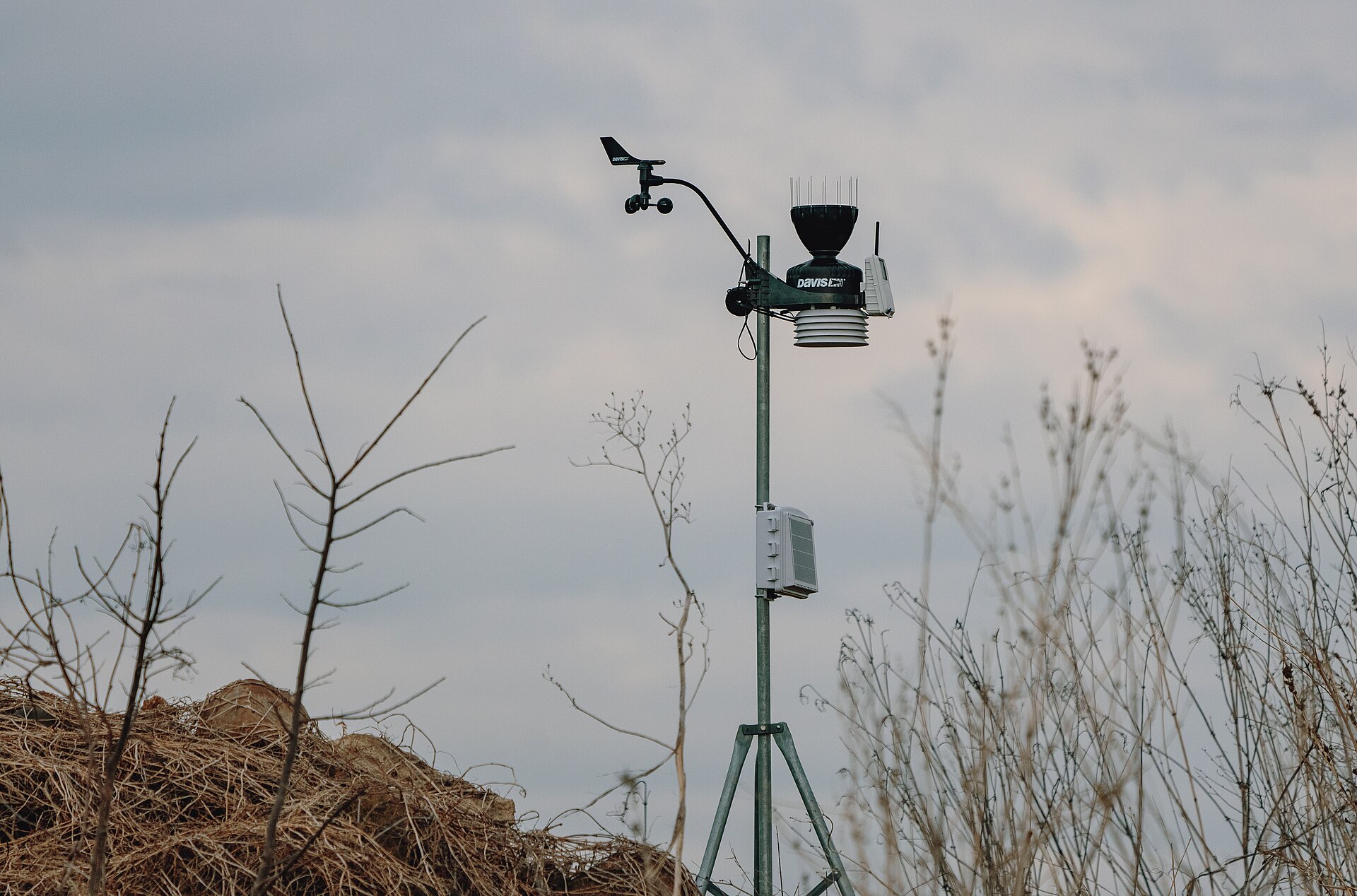
Featured image: Tony Webster from Minneapolis, Minnesota, United States, CC BY 2.0, via Wikimedia Commons.
.jpg)