The Cost of Economic Nationalism: Unilateral Trade Bans and Global Instability
The global economic landscape is increasingly defined by a resurgence of economic nationalism, manifested through unilateral trade actions that threaten to unravel decades of interconnected supply chains. Recent moves by the United States, including a ban on Canadian alcohol and dairy products and a proposed prohibition on diesel exports, illustrate a growing willingness of major economies to prioritize domestic interests through protectionist measures, often at the expense of international trade norms and stability.
The latest escalation in the Canada-US trade dispute saw Washington implement a ban on specific Canadian alcohol and dairy imports. This action follows the collapse of bilateral negotiations in late August, marking a significant downturn in economic relations between two historically close trading partners. While the immediate impact targets specific sectors, the broader message is clear: even long-standing alliances are not immune to the pressures of domestic industrial policy and perceived national advantage. For Canadian producers, this ban means lost market access and potential oversupply, while American consumers may face reduced choice or higher prices for certain goods.
Simultaneously, the global energy market is bracing for the potential fallout from a proposed US diesel export ban. Driven by a stated aim to protect American consumers from rising energy costs, this threatened policy has sent ripples of concern across international markets. The United Kingdom, a significant importer of US diesel, has already initiated urgent talks with Washington to avert the ban, highlighting the critical reliance of many economies on American energy exports. A US diesel export ban would not only impact fuel prices and availability in importing nations but could also disrupt supply chains for transportation, manufacturing, and agriculture globally, potentially triggering widespread economic instability.
These actions are not isolated incidents but rather symptoms of a broader trend. Governments worldwide are increasingly adopting policies designed to bolster domestic industries, secure critical supplies, and address national economic anxieties. This shift, often termed “economic nationalism” or “reshoring,” is fueled by a combination of factors: the lessons learned from pandemic-induced supply chain vulnerabilities, geopolitical rivalries, and a desire to create jobs and stimulate growth within national borders. However, the tools employed, such as unilateral bans and tariffs, carry significant risks.
The immediate economic consequences of such protectionist measures are multifaceted. For the targeted nations, they can lead to market distortions, reduced export revenues, and pressure on domestic industries to find alternative markets or diversify production. For the imposing nation, while aiming to protect domestic consumers or producers, these measures can paradoxically lead to higher input costs for other industries, retaliatory tariffs from affected partners, and a net loss in overall economic efficiency. Consumers ultimately bear the brunt through increased prices and reduced product availability.
Beyond the direct economic effects, unilateral trade bans inflict damage on the international trading system itself. They undermine the principles of free trade and multilateral cooperation that have underpinned global prosperity for decades. When major economies resort to such measures, it erodes trust, encourages other nations to adopt similar protectionist stances, and makes it harder to address global challenges that require collective action. The World Trade Organization (WTO), designed to arbitrate such disputes, finds its authority challenged when nations bypass its mechanisms in favor of unilateral decrees.
The long-term implications are particularly concerning. A sustained era of escalating trade protectionism risks fragmenting global supply chains into regional or national blocs, leading to less efficient production, higher costs, and slower innovation. It could also exacerbate geopolitical tensions, turning economic competition into a zero-sum game where national interests are pursued without regard for international consequences. The current trajectory suggests a future where economic policy is increasingly intertwined with national security and strategic competition, making global economic cooperation more complex and precarious.
As the world navigates these turbulent waters, the challenge for policymakers is to find a balance between legitimate national interests and the imperative of maintaining an open, rules-based international trading system. Without a renewed commitment to dialogue and multilateralism, the expanding fronts of trade protectionism, from dairy to diesel, threaten to impose a heavy cost on global stability and shared prosperity.
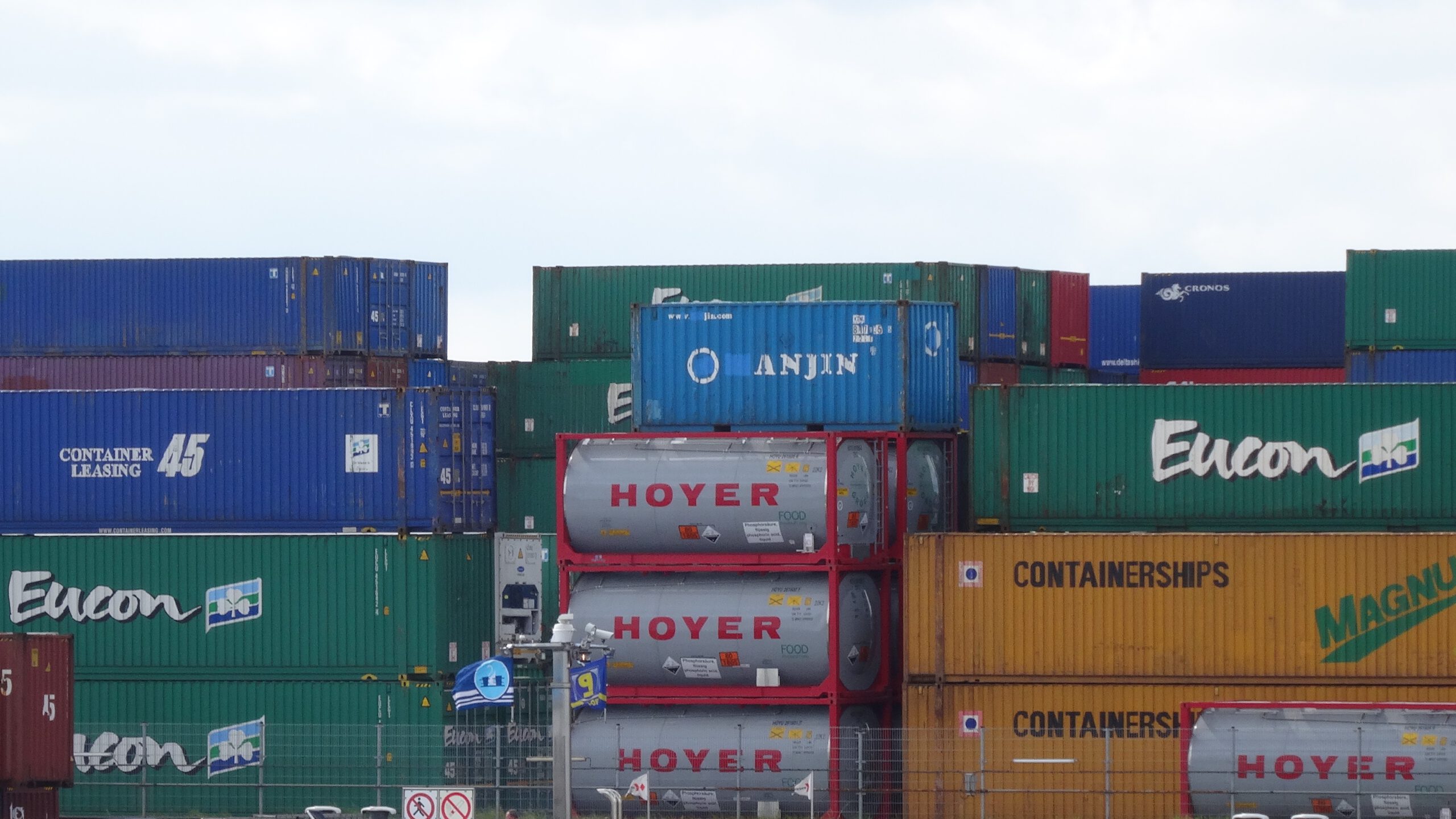
Featured image: AgainErick, licensed BY-SA, found via Openverse.