
The conflict in Yemen, a protracted and devastating struggle, has recently entered a new, alarming phase of escalation, significantly deepening an already catastrophic humanitarian crisis. Reports from the ground indicate a surge in hostilities between Houthi forces and the Saudi-backed coalition, leading to a dramatic increase in displacement both within Yemen and across its borders. This renewed intensity not only exacerbates the suffering of millions but also poses a heightened risk to regional stability, particularly along critical maritime corridors.
A Desperate Flight Across the Red Sea
For many Yemenis, the escalating violence has left them with no option but to seek refuge beyond their homeland. Recent accounts highlight a harrowing exodus across the treacherous waters of the Red Sea, with thousands fleeing to neighboring Djibouti. These desperate journeys underscore the profound insecurity and lack of safe havens within Yemen, as families risk everything to escape the relentless fighting, aerial bombardments, and the collapse of essential services. The sheer volume of people undertaking these perilous crossings speaks to the dire conditions on the ground, where basic necessities like food, water, and medical care are increasingly scarce, and the threat of violence is omnipresent.
The United Nations has reported a staggering surge in internal displacement, with over 130,000 people displaced in recent weeks alone. This rapid movement of populations strains an already overstretched humanitarian aid infrastructure, making it increasingly difficult for international organizations to provide adequate assistance. Camps for internally displaced persons are overflowing, and host communities struggle to absorb the influx, leading to further competition for dwindling resources and increased vulnerability for those uprooted.
Escalating Hostilities and Regional Security Threats
The recent intensification of the conflict is marked by a dangerous cycle of attacks and counter-attacks. Houthi forces have reportedly stepped up their cross-border assaults, including an attempted strike on the Saudi capital, Riyadh. Such actions draw strong condemnation from the international community, including the United Nations, which views these attacks as a direct threat to regional peace and security. These aggressive maneuvers by the Houthis are typically met with retaliatory strikes by the Saudi-led coalition, perpetuating a cycle of violence that inflicts immense suffering on the civilian population.
The strategic importance of the Red Sea and the Bab el-Mandeb Strait, a vital chokepoint for global shipping, means that any escalation in Yemen carries significant international implications. Disruptions to maritime trade routes, whether through direct attacks or increased instability, can have far-reaching economic consequences, affecting energy supplies and global supply chains. The involvement of various regional and international actors further complicates the conflict, transforming it into a proxy battleground that extends beyond Yemen’s borders.
The Unfolding Humanitarian Catastrophe
Years of conflict have decimated Yemen’s infrastructure, crippled its economy, and pushed millions to the brink of famine. The healthcare system is in ruins, with many hospitals non-functional and a severe shortage of medical supplies and personnel. Water and sanitation systems have collapsed in many areas, leading to outbreaks of preventable diseases. Children are particularly vulnerable, facing malnutrition, disease, and the trauma of war, with limited access to education.
The international community has repeatedly called for a cessation of hostilities and a political resolution to the conflict. However, diplomatic efforts have frequently stalled, unable to bridge the deep divisions between the warring factions and their external backers. The recent escalation serves as a stark reminder of the urgent need for renewed, concerted diplomatic engagement to de-escalate the situation and pave the way for a sustainable peace process.
Challenges to Peace and Stability
Achieving a lasting peace in Yemen remains an immense challenge. The fragmentation of control, the proliferation of armed groups, and the competing interests of regional powers create a complex web of obstacles. Any viable peace agreement would need to address not only the immediate cessation of fighting but also the underlying political, economic, and social grievances that fuel the conflict. Furthermore, significant international investment would be required for post-conflict reconstruction and humanitarian recovery, a task made more difficult by the ongoing global economic uncertainties.
As Yemenis continue to endure unimaginable hardships, the world watches as a humanitarian crisis of immense proportions unfolds. The Red Sea exodus and the surge in internal displacement are poignant symbols of a nation pushed to its breaking point. Without a fundamental shift towards de-escalation and a genuine commitment to peace from all parties, the suffering in Yemen is set to deepen, with profound and lasting consequences for its people and the wider region.
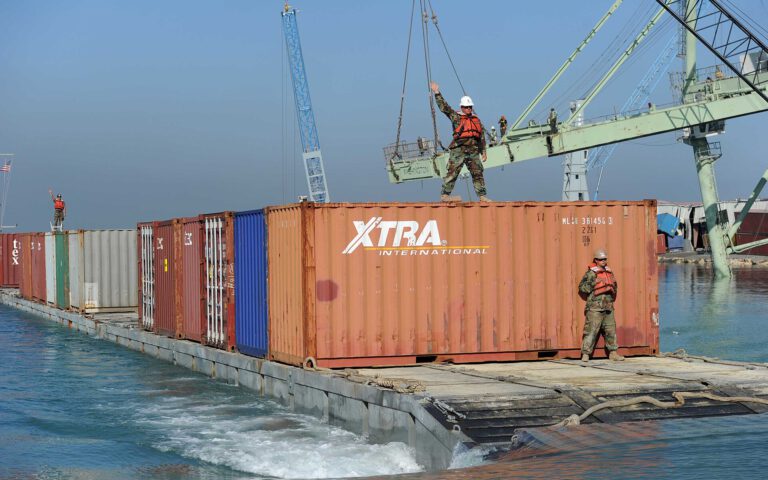
Featured image: Diplomatic Security Service from Washington, D.C., United States of America, Public domain, via Wikimedia Commons.