
When major natural hazards strike, emergency operations centers rely heavily on real-time situational awareness to allocate finite rescue assets, clear transport corridors, and prioritize heavy infrastructure repairs. However, recent extreme weather events and tectonic disruptions have revealed a compounding operational vulnerability: the widespread dissemination of synthetic, altered, or misattributed video content across public communications channels. As generative media tools become ubiquitous, the speed with which unverified disaster footage spreads during acute emergency windows is creating significant operational friction for civil defense agencies and disaster logistics teams.
In regions enduring severe weather phenomena, such as extreme flooding in China, municipal authorities and response units have been forced to establish specialized media-verification units alongside standard field operations. Reports indicate that viral clips depicting non-existent dam failures, exaggerated urban inundations, and fabricated rescue scenarios are circulating within minutes of initial storm landings. This deluge of misinformation creates direct operational hazards: emergency dispatchers must burn precious hours cross-referencing satellite telemetry, low-altitude drone feeds, and localized ground teams to verify whether reported structural breaches exist before deploying high-value machinery and medical teams.
The Latency Dilemma in Crisis Command
Traditionally, crowdsourced intelligence from social media served as an early-warning signal for first responders, offering immediate visual ground truth from impacted citizens. Today, that intelligence pipeline is increasingly compromised. The technical threshold for generating hyper-realistic synthetic video or rapidly re-contextualizing historical disaster footage from past events has plummeted. When public platforms are inundated with conflicting visual evidence during high-consequence disasters, the cognitive and computational load on disaster command posts rises exponentially.
The physical consequences of this verification friction are immediate. In severe seismic events, such as the major earthquake that recently struck Colombia, immediate structural assessment and search-and-rescue vectoring depend on rapid, reliable reporting. When public channels transmit unverified or manipulated depictions of localized damage, disaster coordinators face a critical dilemma: execute immediate deployments based on unvalidated public reports and risk misallocating scarce emergency crews, or delay operational deployments while conducting multi-source verification. In high-intensity disasters, even a marginal increase in verification latency directly impairs emergency response timelines.
Structural Realignment of Disaster Intelligence Networks
To counter the degradation of open-source intelligence, emergency management authorities are re-evaluating how crisis data is collected and prioritized. The operational reliance on open public feeds is being systematically dismantled in favor of closed-loop, verified sensor architectures. Key shifts in regional disaster management include:
- Direct Airborne Reconnaissance: Increased deployment of autonomous tactical drones and high-altitude long-endurance aircraft equipped with synthetic aperture radar to establish physical ground truth independently of public media.
- Cryptographic Media Authentication: Implementation of hardware-level digital signatures on official rescue team cameras and municipal surveillance assets to ensure raw footage cannot be tampered with or spoofed during transmission.
- Forensic Triage Units: Integration of specialized digital forensics personnel within regional emergency operations centers tasked specifically with triaging incoming public video alerts before they reach dispatch personnel.
- Hardened Utility Telemetry: Greater dependence on direct sensor feeds embedded in dams, bridges, and power substations rather than civilian reports regarding utility status and infrastructure collapse.
Systemic Vulnerabilities in Public Resilience
Beyond the direct operational friction experienced by command centers, synthetic media during natural disasters creates severe secondary distortions within vulnerable populations. When panicked citizens consume altered footage of impending infrastructure collapse or non-existent chemical spills, mass evacuation behaviors become unpredictable. Spontaneous evacuations along uncoordinated routes can choke vital logistical arteries, preventing emergency vehicles and fuel re-supply convoys from reaching true disaster zones.
Furthermore, the persistent presence of synthetic disaster footage breeds deep public cynicism—a phenomenon known as the liar’s dividend. When citizens become aware that online disaster videos are frequently fabricated, they begin to doubt authentic emergency alerts issued by legitimate authorities during real-world crises. This breakdown in public trust severely undermines compliance with official evacuation orders, shelter-in-place directives, and public health advisories.
Future Imperatives for Civil Defense
As climate-driven natural disasters increase in frequency and intensity, the intersection of physical hazards and digital information warfare will remain a persistent operational challenge. National disaster agencies can no longer view media ecosystems as peripheral to physical emergency management. Ensuring operational resilience now requires treating information integrity as a core component of critical infrastructure protection.
Civil defense frameworks must move beyond reactive debunking toward robust, air-gapped sensor feeds and rapid localized verification capabilities. Without dedicated investments in verified crisis intelligence, the escalating volume of synthetic distortions will continue to erode the speed, efficiency, and safety of emergency response operations globally.
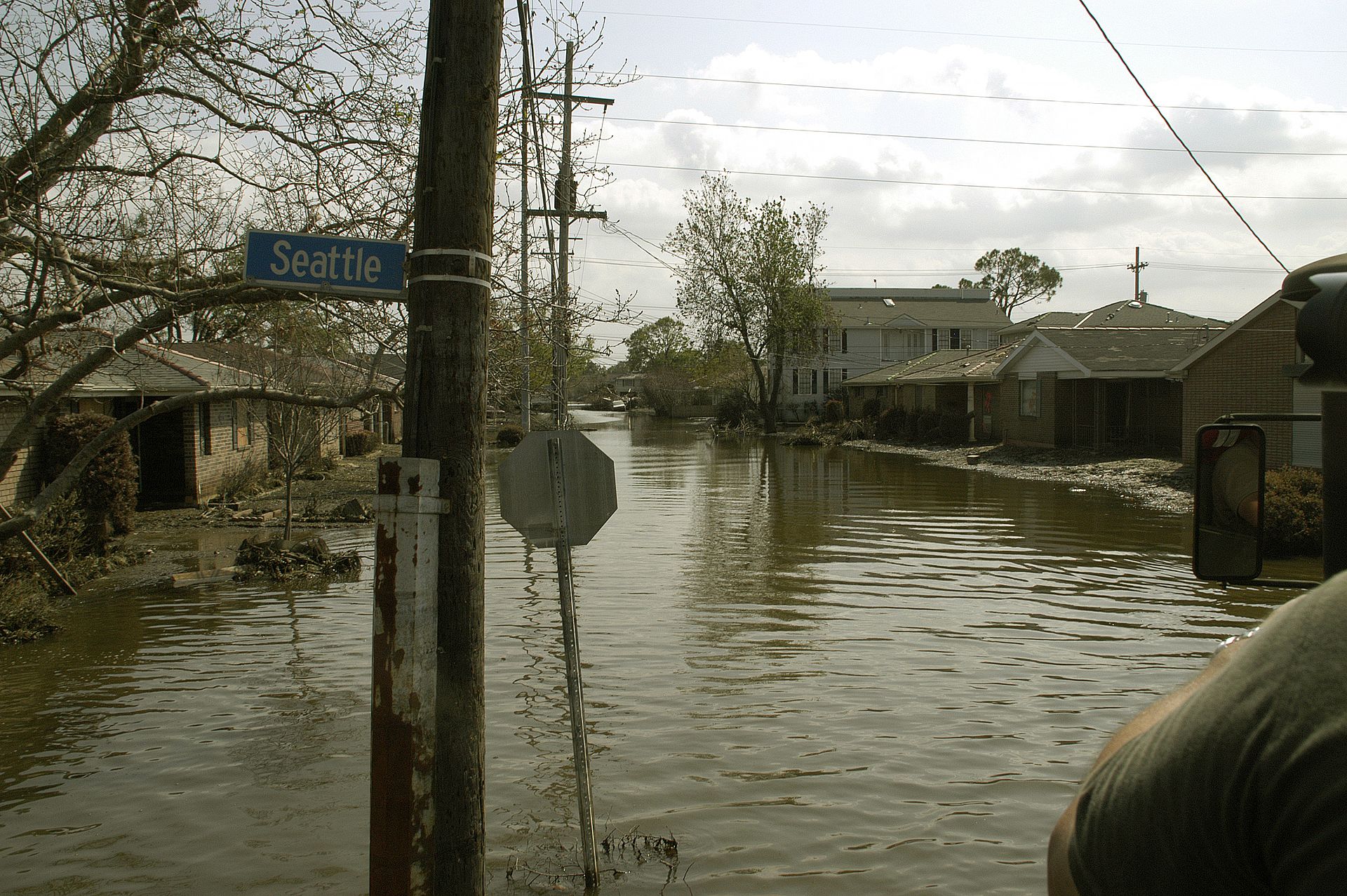
Featured image: Marvin Nauman, Public domain, via Wikimedia Commons.