As global supply chains and industrial operations become ever more dependent on stable, resilient power networks, energy markets are colliding with a dual threat: expanding climate-driven disruption and unpredictable policy shifts. Recent developments across North America highlight how both natural disasters and political interventions are altering the risk calculus for institutional investors, utility operators, and enterprise leaders alike.
When public policy pivots sharply away from planned infrastructure commitments, the economic fallout extends well beyond immediate cancellations. The recent decision by the United States administration to pay German energy giant RWE $1.2 billion to halt offshore wind developments underscores the high costs associated with policy volatility. Far from merely shifting national energy mix targets, political buyouts of contracted projects introduce unprecedented regulatory risk into long-term capital allocation strategies.
The True Price of Infrastructure Reversals
For multinational corporations and infrastructure funds, stability is the primary currency of long-dated energy investments. Renewable projects, particularly offshore wind installations, require heavy upfront capital expenditure backed by decades-long power purchase agreements. When political mandates abruptly terminate these projects, sovereign credit risk perceptions shift.
A $1.2 billion buyout may mitigate short-term financial losses for an individual developer, but it establishes a troublesome precedent for capital deployment across the sector. Investors must now price in arbitrary regulatory termination risk alongside traditional construction and yield risks. This dynamic threatens to raise the cost of capital for all future energy infrastructure initiatives, regardless of technology type.
- Increased Capital Premiums: Financing costs rise when regulatory frameworks are perceived as unstable.
- Supply Chain Bottlenecks: Sudden project cancellations ripple through specialized manufacturing, vessel chartering, and engineering supply chains.
- Grid Modernization Delays: Halting large-scale generating assets slows the broader integration of modern grid balancing software and storage assets.
Climate Extremes and Legacy Grid Vulnerabilities
While political shifts disrupt long-term capital planning, immediate environmental pressures are exposing severe physical vulnerabilities in municipal utility networks. In Puerto Rico, intense drought conditions coupled with aging delivery infrastructure have forced authorities to initiate widespread water rationing, directly affecting hundreds of thousands of residents and commercial facilities.
Similarly, in Western Canada, the uncontrolled spread of the Bald Range wildfire across tens of thousands of hectares serves as a stark reminder of how extreme weather events threaten physical supply corridors. Wildfires do not merely destroy timber and property; they threaten transmission lines, disrupt regional substations, and force preemptive power shutoffs that ripple through regional economies.
Interdependent Infrastructure Failure Modes
The convergence of extreme weather and neglected physical assets creates compound operational risks for businesses:
- Thermal Efficiency Loss: Elevated temperatures lower the operating efficiency of thermal generation plants and high-voltage transmission lines.
- Resource Competition: Water scarcity directly affects thermoelectric cooling capacity and hydroelectric output, creating simultaneous energy and municipal water shortfalls.
- Cascading Grid Instability: Localized disruptions caused by extreme events can rapidly propagate across interconnected electrical grids if backup capacity is lacking.
Strategic Implications for Executive Leadership
For executive teams navigating this landscape, relying on centralized utility grids without robust redundancy is becoming an unsustainable risk management strategy. Organization leaders must adapt their capital operational frameworks to account for both policy-induced supply shifts and climate-induced physical disruptions.
First, corporate risk models must treat energy security as a core strategic variable rather than a passive utility expense. Investing in on-site generation, battery energy storage systems, and microgrid capability allows industrial facilities and data centers to isolate themselves from regional grid failures.
Second, supply chain managers must map physical infrastructure dependencies across their vendor networks. A localized power outage or water shortage at a key supplier’s facility can halt assembly lines thousands of miles away. Understanding where legacy grid assets intersect with climate hazards is essential for maintaining operational continuity.
Finally, institutional investors must demand greater transparency regarding asset resilience. Portfolios heavy in utility infrastructure must be evaluated not only on prospective yield, but also on physical hardiness against extreme weather and contractual protection against sovereign policy shifts.
Navigating a Divided Energy Future
The energy landscape of the mid-2020s is defined by fragmentation. On one hand, rapid technology adoption and corporate decarbonization targets drive demand for modern, decentralized power solutions. On the other hand, geopolitical friction, partisan domestic shifts, and climate-induced physical degradation complicate the transition.
Organizations that proactively build operational flexibility and energy self-reliance into their business models will gain a structural competitive advantage. Those that rely on legacy infrastructure assumptions and stable regulatory backdrops risk facing severe disruptions and escalating overhead costs in an increasingly volatile environment.
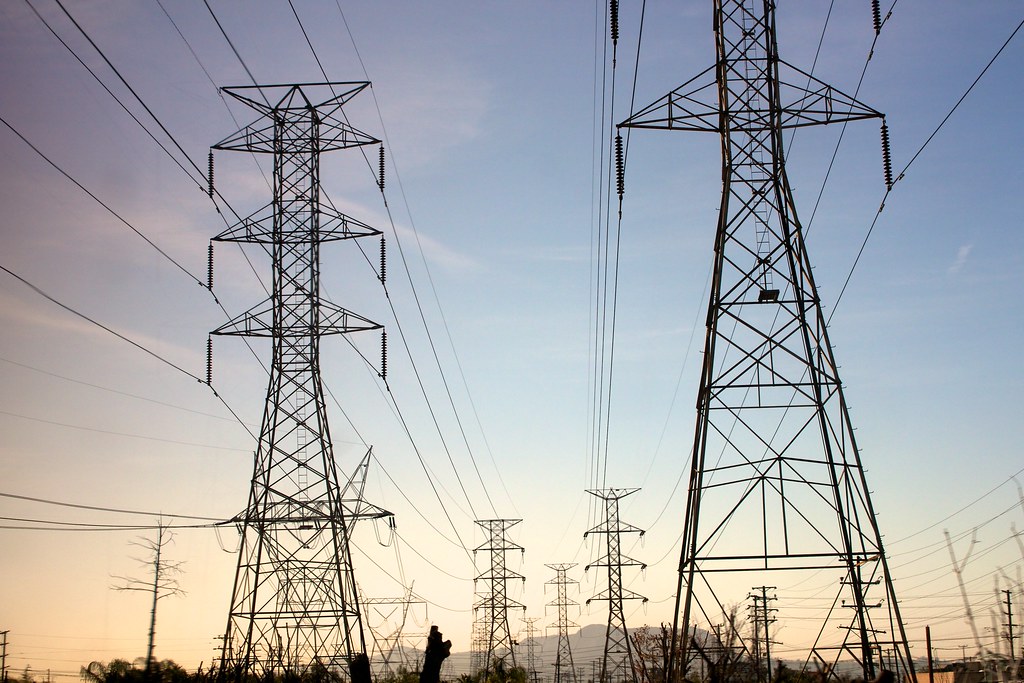
Featured image: Oran Viriyincy, licensed BY-SA, found via Openverse.