
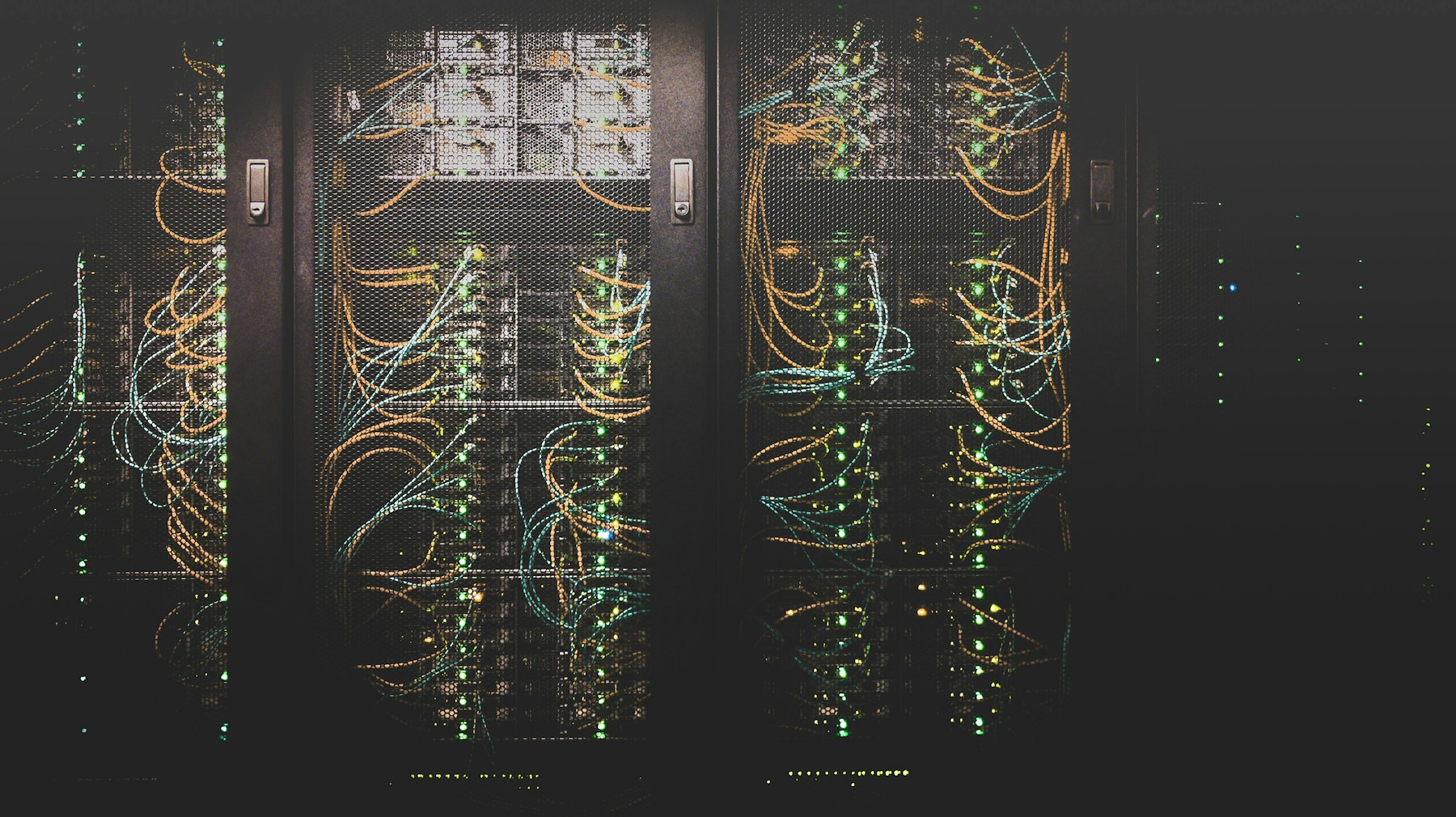
Artificial intelligence has spent the past several years being discussed as a contest of models, talent, and data. The next phase will be shaped just as decisively by electricity, cooling, grid access, and the speed at which physical infrastructure can be built.
Compute has become an industrial question
Advanced models sit inside a much larger operating system. They require data centres, specialised chips, transmission capacity, backup power, and increasingly sophisticated cooling. Gartner expects data-centre electricity consumption to rise sharply in 2026, while the International Energy Agency sees accelerated servers driving an outsized share of future demand.
For companies, this changes the economics of AI. The best model is not automatically the best business decision. Workloads need to be matched to value, latency, privacy, and energy intensity. Smaller models, better routing, and disciplined inference can create an advantage that raw scale cannot.
Efficiency becomes strategy
Leaders should treat compute as a portfolio. High-value reasoning may justify premium infrastructure. Routine classification, search, and drafting often do not. The companies that understand this distinction will build systems that are both more resilient and more economical.
The AI conversation is moving from possibility to operating discipline. Power is not a footnote to that transition. It is one of its defining constraints.
Image credit: Original photograph via Unsplash.
References: Gartner, Data Center Electricity Demand, 2026; IEA, Energy and AI.