The global road-death rate fell by 21% between 2011 and 2025 even as more than one billion motor vehicles were added to the world’s roads, according to new World Health Organization data released on 20 July 2026. That is meaningful progress. It also reveals the scale of unfinished work: crashes still killed 1.16 million people in 2025.
Road injuries remain the leading cause of death for people aged five to 29. More than half of those killed are not inside a car; they are walking, cycling or riding motorcycles. Low- and middle-income countries account for 92% of fatalities despite having around 60% of the world’s vehicles.
The data arrived alongside a new UN General Assembly declaration seeking a 50% reduction in deaths and serious injuries by 2030 from 2021 levels. Its central idea is the “safe system” approach: people will make mistakes, so roads, vehicles, speeds and emergency response should prevent those mistakes from becoming fatal.
This is more than a public-health objective. It is an infrastructure, labour and productivity challenge whose costs extend through households, employers, hospitals and public budgets.
Progress is real, but deeply uneven
Between 2011 and 2025, the number of annual road deaths declined by 9% while the fatality rate fell faster. Yet regional outcomes diverged. WHO reports a 36% decline in deaths in Europe and a 15% decline in the Western Pacific. South-East Asia recorded only a 2% reduction, the Americas saw no change and Africa experienced a 17% increase.
These differences cannot be explained by driver behaviour alone. They reflect road design, vehicle quality, enforcement, access to trauma care, urban growth and the availability of safe alternatives to private vehicles. Where population and motorcycle use are rising faster than safe infrastructure, exposure can overwhelm incremental improvements.
Motorcycles illustrate the shift. Their number more than tripled globally between 2011 and 2025, helped in part by ride-hailing and delivery platforms. Motorcyclists now account for nearly one-third of road fatalities. A safe helmet reduces the risk of death by more than six times, but standards, affordability, employer policies and enforcement determine whether that protection reaches riders.
Safety should be designed into capital spending
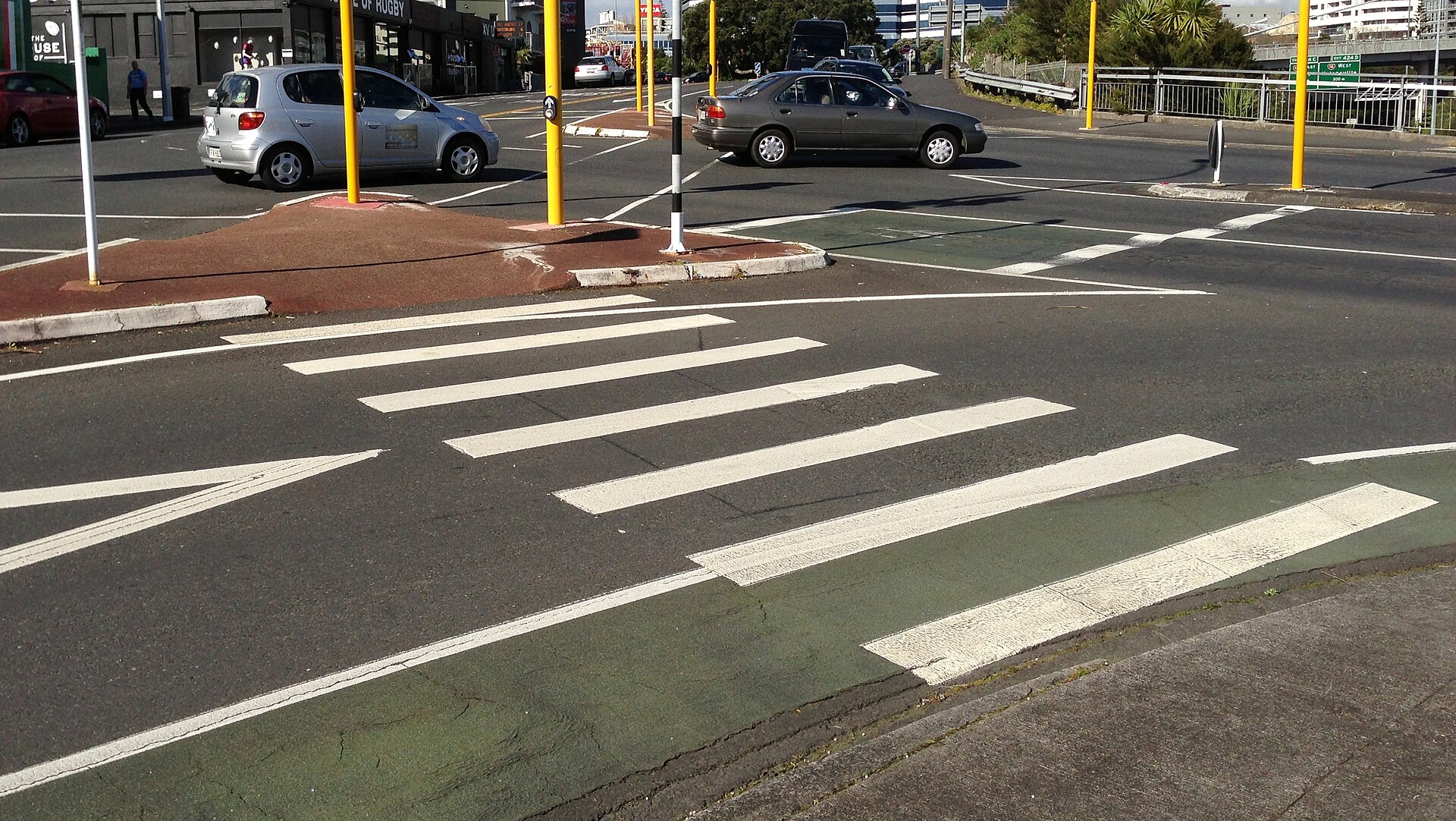
The safe-system principle changes the question asked of transport projects. Instead of assuming that perfect compliance will prevent crashes, designers plan for predictable error. Median barriers, protected crossings, forgiving roadsides, lower urban speeds and separated space for pedestrians and cyclists can reduce both the probability and severity of a collision.
This makes safety an investment criterion, not an accessory added after a road is built. Since 2020, the World Bank has required transport investments with a road component to include safety in economic analysis and to reduce fatalities over the project’s life. The logic is straightforward: a corridor that moves traffic faster but creates more lethal conflicts has not delivered its full economic purpose.
Maintenance matters as much as construction. Faded markings, failed street lighting, damaged barriers and obstructed footpaths gradually remove the protections assumed in the original design. Asset-management budgets should measure safety performance, not only pavement condition and vehicle throughput.
Businesses are part of the road system
Companies create mobility demand through commuting, logistics, field work and delivery targets. Their influence reaches beyond the vehicles they own. Procurement terms, route planning and time pressure can shape how contractors and platform workers behave on public roads.
Fleet operators can set vehicle-safety requirements, monitor hours and speeding, require certified helmets, investigate near misses and plan schedules that do not reward dangerous driving. Buyers can include those expectations in contracts rather than treating road risk as solely the supplier’s responsibility.
There is also a location decision. A facility may appear well connected on a map while remaining difficult or dangerous to reach without a car. Safe public transport access, crossings and walking routes affect recruitment, attendance and employee welfare. Employers that assess only freight travel time miss part of a site’s operating risk.
Better data turns incidents into prevention
The UN declaration calls for national strategies with targets, budgets, lead agencies and stronger data. Police records alone may miss deaths that occur later in hospitals, while health data may lack reliable information about crash circumstances. Linking transport, police, insurance and clinical data can reveal dangerous locations and road-user groups without waiting for a long sequence of fatalities.
Privacy and institutional boundaries require careful governance, but fragmentation has a cost. A system that cannot identify where severe injuries recur cannot target engineering, enforcement or emergency response effectively.
Road crashes cost many countries about 3% of gross domestic product, according to WHO, through lost output, medical care, disability and property damage. The burden is not an unavoidable price of mobility. The 21% decline in the fatality rate demonstrates that systems can improve even while travel expands.
The next phase will be harder because growth is concentrated in rapidly urbanising and motorising regions. Progress will depend on treating safety as a property of the entire mobility system. Roads, vehicles, rules, data, emergency care and commercial incentives must work together so that an ordinary human mistake does not become a permanent economic and personal loss.
Featured photograph: LincolnGroup11 via Wikimedia Commons, licensed under CC BY-SA 3.0.