
Global electricity demand is accelerating into a period of unusual supply uncertainty. The International Energy Agency’s July 2026 mid-year update forecasts consumption growth of 3.6% this year and 3.8% in 2027, up from 3% in 2025. Global use is projected to reach 30,700 terawatt-hours in 2027, compared with 28,600 TWh two years earlier.
The drivers are structural: industrial production, electric vehicles, air conditioning, heat pumps, appliances and data centres. But the supply system is being tested by fuel disruption, volatile prices and weather. The temporary loss of nearly 20% of global liquefied natural gas supply through the Strait of Hormuz pushed Asian and European gas prices to their highest levels since the 2022–23 energy crisis, according to the IEA.
Power systems have largely maintained supply, helped by additional LNG from North America and other exporters. Yet higher gas costs prompted some Asian and European markets to switch back toward coal. At the same time, renewable generation helped diversify supply and cushion the shock. The result is not a tidy transition from one fuel to another. It is an operating system managing faster demand, new technologies and old vulnerabilities at once.
A generation milestone does not remove the bottleneck
Renewables are forecast to overtake coal as the world’s largest source of electricity generation in 2026, after reaching near parity last year. The IEA expects renewable output to grow by more than 8% this year and its share of global generation to rise from 33% in 2025 to 37% by 2027.
Solar is doing much of the work. Its output is forecast to increase by roughly 600 TWh in 2026, matching the record annual expansion of 2025, and to pass wind as the second-largest renewable source after hydropower.
Those milestones matter, but installed generation is not the same as dependable delivery. Networks must connect new projects, move power from where it is produced to where it is needed and balance changes in weather and demand. IRENA’s 2026 work on power-system flexibility similarly emphasizes grids, storage, demand response and more efficient use of existing assets.
The strategic bottleneck is therefore shifting. In many markets, adding solar modules can be faster than securing a grid connection, transmission upgrade or flexible capacity. Delays in those areas turn nominally abundant generation into constrained supply.
Price exposure is becoming more unequal
The gas shock did not affect every electricity market in the same way. Average spot wholesale prices in the European Union and Japan rose by more than 30% year on year in the second quarter of 2026. US wholesale prices were largely unchanged from a year earlier, while India’s increase was below 10%, reflecting a smaller role for LNG in its generation mix.
Income and market design also shape the impact. Import-dependent, price-sensitive economies such as Bangladesh and Pakistan introduced conservation measures that curtailed consumption. That contrast shows why a global fuel disruption becomes a different business risk in each location.
Companies should map electricity exposure by facility rather than rely on a single corporate average. The relevant questions include which fuel sets the local marginal price, how often the grid is constrained, what outage protection exists, whether tariffs reward flexible demand and how quickly backup supply can operate.
Weather now affects both sides of the equation
A stronger El Niño could raise cooling demand while reducing hydropower and wind output in parts of Latin America and Southeast Asia. That combination is especially difficult because it increases load at the same time that some low-cost supply becomes less available.
Resilience plans should therefore combine physical and commercial measures. Efficiency and cooling controls can reduce peak load. Storage and on-site generation can protect critical processes, but must be sized against real operating needs. Contracts can diversify price exposure, while production schedules may shift flexible work away from stressed hours.
None of these tools eliminates risk. Their value lies in preventing one failure—fuel scarcity, a heatwave, a network constraint or a price spike—from becoming a full operational interruption.
Electricity is now a board-level dependency
The IEA expects power-sector carbon dioxide emissions to rise 1% in 2026 as high gas prices and weather support more coal and oil generation, then remain broadly flat in 2027 as renewables, nuclear and gas meet demand growth and displace coal. The short-term reversal illustrates how security shocks can complicate emissions plans even when structural clean-power growth remains strong.
For executives, electricity strategy can no longer sit only inside facilities management or sustainability reporting. It affects capital allocation, site selection, supplier continuity, digital expansion and the credibility of climate commitments. Major loads should be evaluated against grid readiness and local supply diversity before investment decisions are locked in.
The defining electricity story of 2026 is not simply that renewables are passing coal. It is that demand is rising fast enough to expose every weakness around generation: networks, flexibility, fuel dependence and unequal purchasing power. The organisations that treat electricity as a strategic input—not a background utility—will be better placed for the next shock.
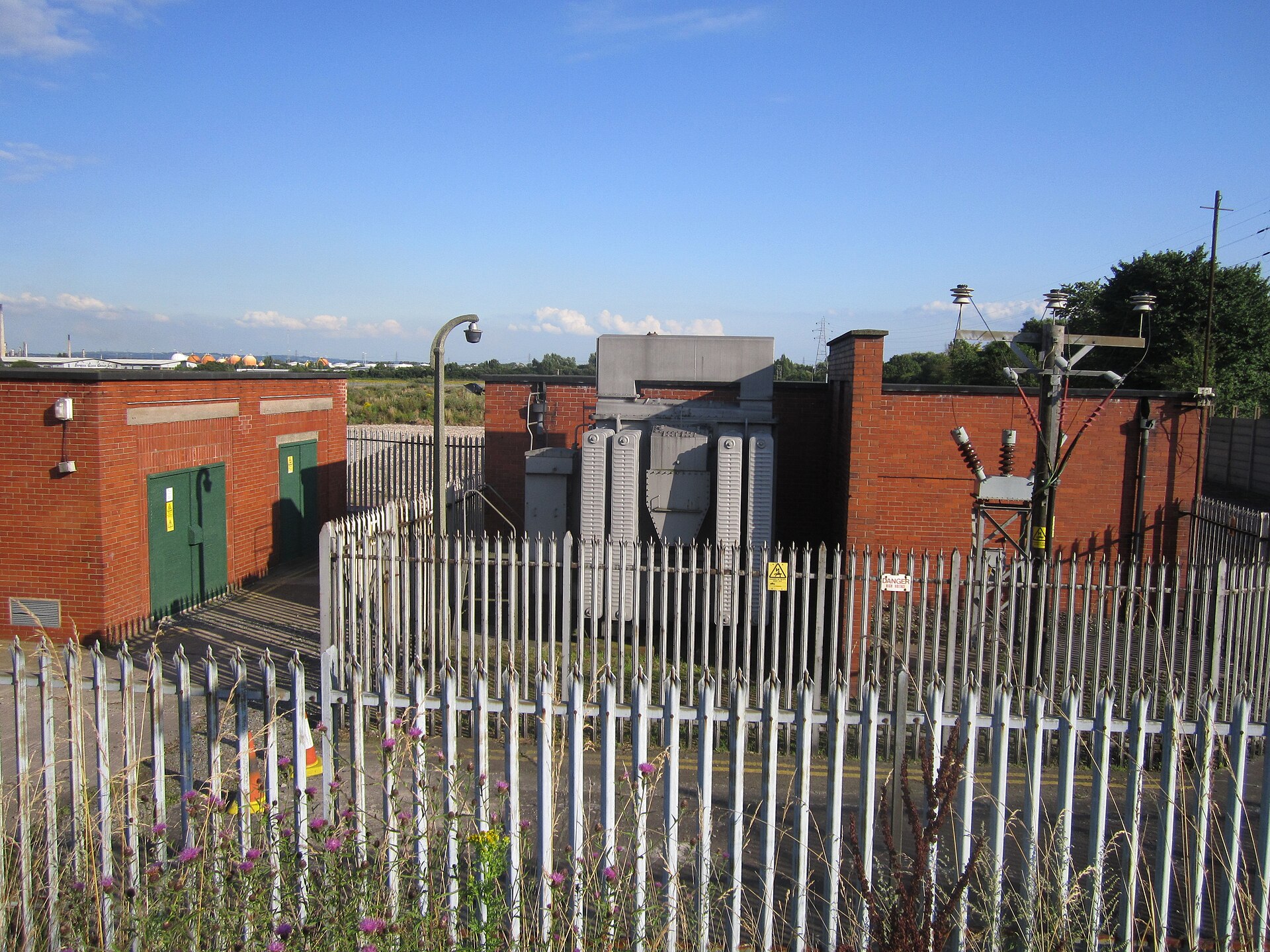
Featured photograph: Rept0n1x via Wikimedia Commons, licensed under CC BY-SA 3.0.
.JPG)