
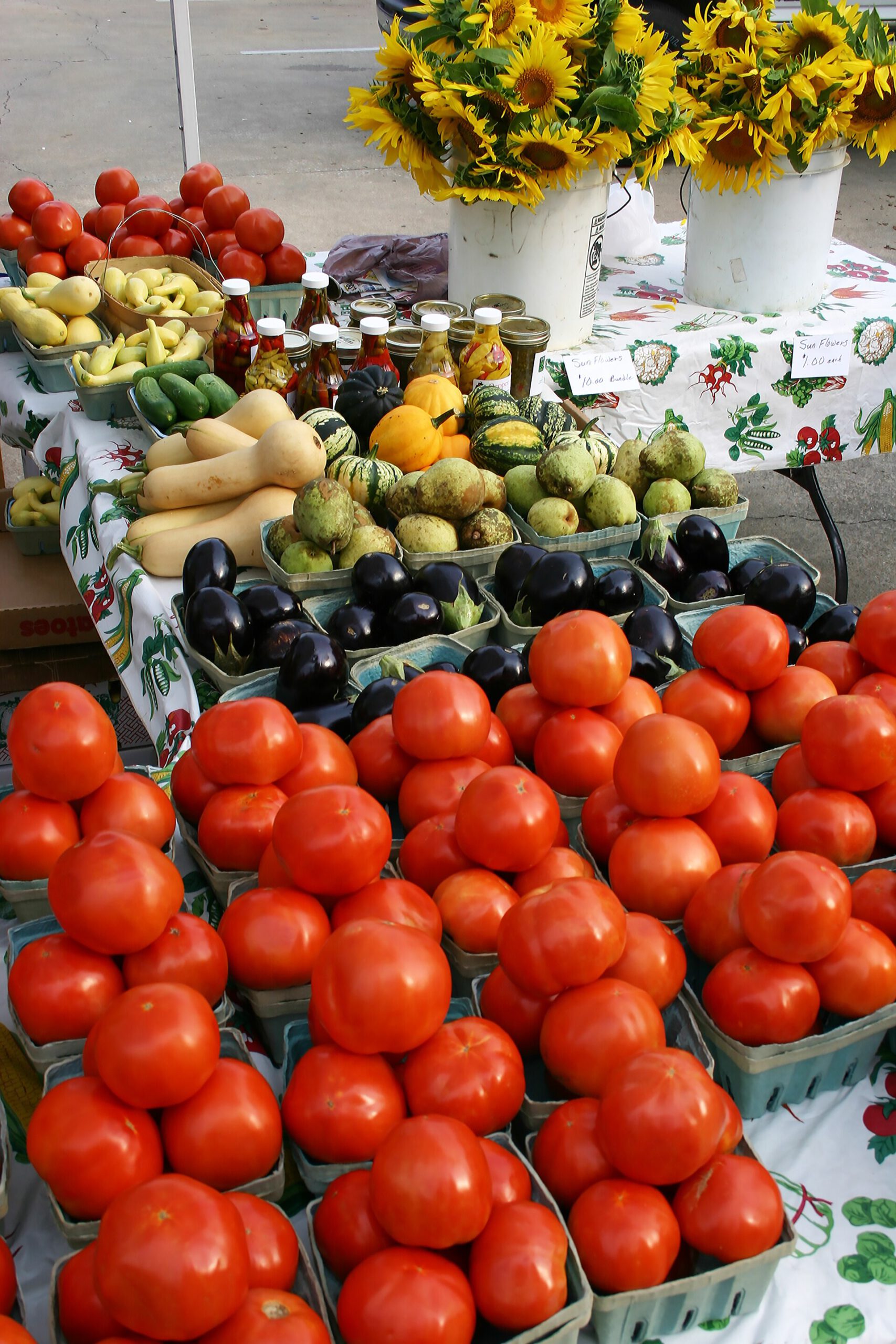
Global hunger moved in the right direction in 2025, but the improvement should not be confused with a solved food problem. The United Nations’ new State of Food Security and Nutrition in the World 2026 estimates that hunger affected 7.8% of the world’s population last year and that 2.1 billion people experienced moderate or severe food insecurity. Both figures improved, yet healthy diets remain beyond the reach of billions.
That distinction matters. Food security is no longer adequately described by the amount of grain harvested or calories available globally. It increasingly depends on whether households can afford a varied diet, whether fresh food can travel through reliable cold chains and whether local markets remain accessible when wages, currencies, fuel costs or conflict conditions change.
The 2026 report, produced jointly by FAO, IFAD, UNICEF, WFP and WHO, puts the high cost of a healthy diet at the centre of the analysis. It also highlights a sharp regional divide: in Africa, roughly two-thirds of people cannot afford one. The strategic question is therefore not only how to produce more food, but how to lower the full system cost of turning production into nutrition.
Calories and nutrition follow different economics
Staple commodities benefit from global trading networks, storage systems and decades of policy support. Nutritious diets depend on a more complex basket: fruits, vegetables, pulses, dairy, fish and other foods with different growing conditions, shelf lives and transport needs. Many are more exposed to refrigeration gaps, border delays, local market concentration and seasonal volatility.
A country can have adequate national food supplies while low-income households substitute away from higher-quality foods. This adjustment may not immediately appear as famine, but it weakens dietary quality and makes progress fragile. The UN’s broader 2026 Goal 2 assessment notes that hunger and food insecurity remain above their 2015 levels, with conflict, economic instability and climate pressure continuing to disrupt food systems.
Affordability also connects food policy to macroeconomics. Exchange-rate weakness raises the cost of imported fertiliser, fuel and food. High borrowing costs constrain farms, processors and distributors. Weak wage growth reduces household purchasing power. An apparently agricultural problem is therefore shaped by monetary conditions, transport infrastructure, competition policy and labour markets.
The missing infrastructure is often between farm and table
Reducing losses and transaction costs can matter as much as increasing yields. Rural roads, dependable electricity, storage, cold chains, wholesale markets and transparent price information determine what portion of a harvest reaches consumers in usable condition. Digital payments and logistics platforms can help smaller producers reach buyers, but only when market access is competitive and the technology does not become another toll gate.
Governments also need better visibility into where costs accumulate. Broad food subsidies can be expensive and poorly targeted, while sudden export restrictions may protect domestic supply briefly but amplify volatility elsewhere. More durable tools include targeted income support, school meals, maternal and child nutrition programmes, resilient procurement and investment in local supply chains.
The goal is not to choose between social protection and productivity. The two reinforce each other. Support that protects household consumption during shocks preserves demand for local producers; investment that lowers production and distribution costs makes each unit of support go further.
Businesses should treat nutrition as a systems market
For companies, the affordability gap represents both risk and an operating challenge. Food producers and retailers face customers whose budgets are increasingly sensitive to small price changes. Employers absorb the effects of household insecurity through workforce health, attendance and wage pressure. Banks and insurers encounter climate and supply-chain exposure concentrated among farmers and small distributors.
The strongest commercial responses will be less about premium products and more about system efficiency: reducing spoilage, improving forecasting, financing durable storage, redesigning packaging and distribution for smaller purchases, and expanding dependable local sourcing. Measurement should focus on the final affordable basket, not just output at the farm gate.
Progress is real, but it is not yet resilient
The latest figures provide evidence that coordinated action can reduce hunger. The first signs of improvement in Africa since the adoption of the 2030 Agenda are especially important. But an average global improvement can coexist with severe regional setbacks and with diets that remain economically inaccessible.
Food security should be treated as essential economic infrastructure: a network connecting land, energy, transport, finance, trade and household income. When any link becomes too costly, nutritious food may exist without being attainable. The next phase of progress will be measured not only by what the world grows, but by whether ordinary households can reliably afford what they need.
Featured photograph: Alabama Extension via Wikimedia Commons, dedicated to the public domain under CC0 1.0.