For decades, the economic relationship between the United States and Canada stood as the global benchmark for regional integration. Underpinned by successive free trade agreements, the 5,500-mile border functioned less as a barrier and more as a conveyor belt for highly synchronized supply chains. However, the activation of $20 billion in retaliatory tariffs by Ottawa against American goods marks a profound structural shift. This escalation moves the bilateral relationship from a state of temporary friction into a prolonged, systemic trade conflict that challenges the foundational assumptions of North American commerce.
The Mechanics of Escalation
The newly enacted Canadian counter-tariffs are designed to maximize economic and political leverage, targeting a broad spectrum of American manufacturing and agricultural exports. Unlike historical trade skirmishes, which were often confined to specific sectors like softwood lumber or steel, the current measures represent a comprehensive retaliatory package. By imposing duties on $20 billion worth of U.S. products, Ottawa is attempting to offset the economic damage inflicted by ongoing American protectionist policies.
The immediate consequence is the disruption of intermediate goods—components that cross the border multiple times during the production process. In highly integrated sectors such as automotive manufacturing, machinery, and consumer electronics, parts are frequently fabricated in one country, assembled in another, and packaged in a third. Introducing tariff barriers at these intermediate stages compounds costs exponentially, forcing companies to either absorb the margins or pass them on to increasingly cost-sensitive consumers.
The Cost of Friction
For households and businesses on both sides of the border, the onset of these tariffs represents a structural increase in the cost of doing business. While consumers have spent more than a year adjusting to a macroeconomic environment defined by persistent inflation and volatile interest rates, the formalization of these trade barriers introduces a new, permanent premium on everyday goods. The illusion that trade disputes can be surgically managed without impacting the wider economy has been thoroughly dispelled.
In Canada, where the economy is highly dependent on trade with its southern neighbor, the tariffs threaten to dampen capital investment. Businesses facing uncertain export markets are likely to delay expansion plans, hoard cash, or redirect capital to less volatile jurisdictions. Conversely, in the United States, exporters who rely on the Canadian market—traditionally the largest destination for U.S. exports—face sudden competitiveness challenges. As Canadian buyers seek domestic alternatives or turn to international suppliers in Europe and Asia, American market share may suffer long-term erosion.
The Death of the Frictionless Model
The broader implication of this trade war is the unraveling of the “just-in-time” logistics model that has defined North American manufacturing for thirty years. This operational philosophy relied on predictable, low-tariff border crossings to minimize inventory holding costs. With the introduction of retaliatory tariffs and the threat of further escalations, supply chain managers are forced to transition to a “just-in-case” model. This shift requires building redundant inventory, diversifying supplier bases, and investing in complex compliance mechanisms to navigate shifting tariff schedules.
This transition is inherently inflationary. It demands significant capital expenditure to build domestic warehousing and secure alternative logistics corridors. Moreover, it undermines the efficiency gains that historically kept goods affordable for North American consumers. The structural friction now embedded in the border represents a permanent tax on productivity.
A Global Precedent for Regionalism
The US-Canada dispute is not an isolated event; it is a bellwether for the fragmentation of global trade. If the world’s most integrated bilateral trading relationship, bound by deep cultural, political, and security ties, cannot withstand the pressures of economic nationalism, it suggests that regional trade blocs elsewhere are highly vulnerable. The rules-based multilateral trading system, once anchored by the World Trade Organization, has effectively been replaced by raw economic leverage and unilateral policy enforcement.
As multinational corporations reassess their exposure to North American supply chains, the strategic calculus of “friend-shoring” is being rewritten. Proximity and political alignment are no longer sufficient guarantees of stability. Instead, corporate strategy must now account for the domestic political cycles of trading partners, pricing in the risk that regulatory and tariff regimes can pivot overnight.
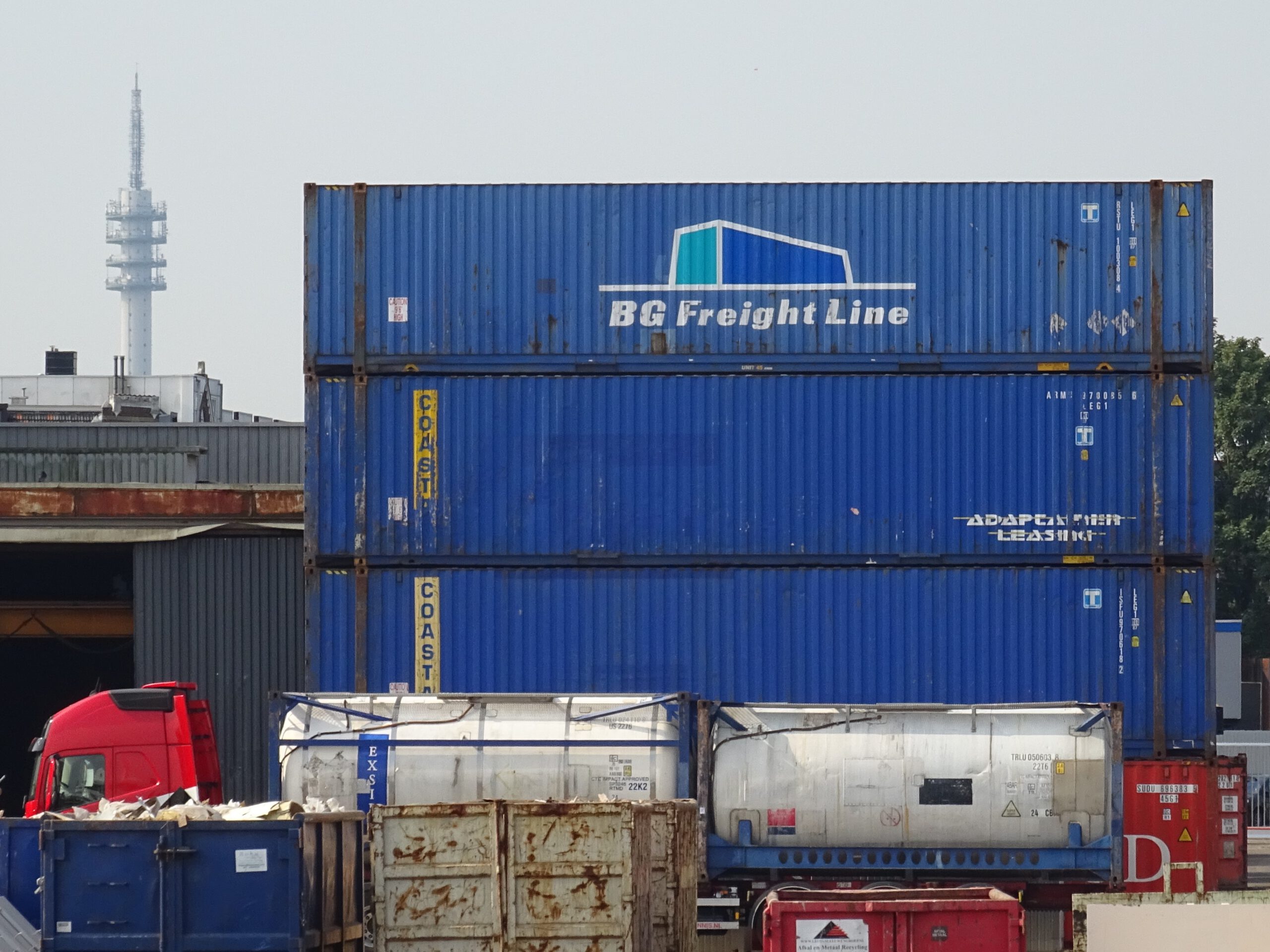
Featured image: AgainErick, licensed BY-SA, found via Openverse.