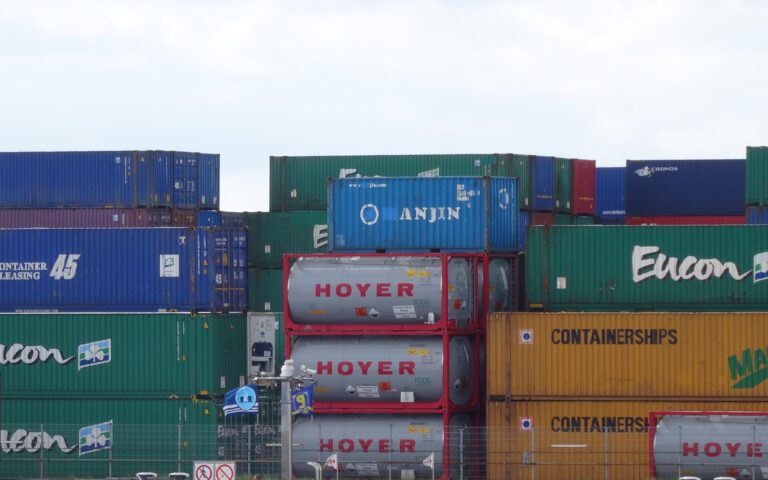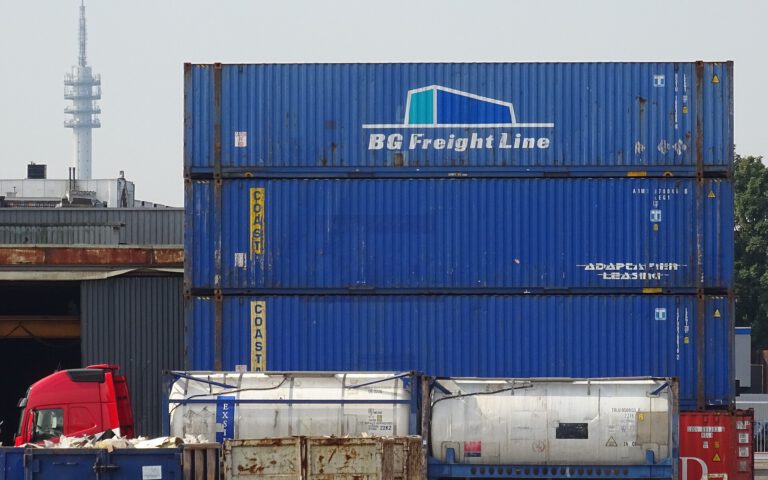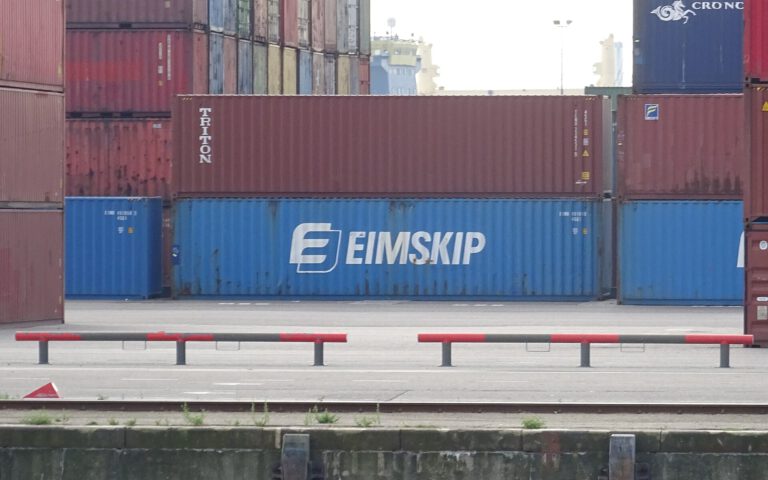
For decades, supply chains were refined around cost, speed, and scale. Today they are being redesigned around a broader definition of risk. Tariffs, export controls, geopolitical alignment, climate exposure, and access to strategic materials now sit beside price in major sourcing decisions.
Efficiency meets optionality
The World Trade Organization continues to show that most trade still moves through established rules, but the direction is clear: governments are taking a more active role in industrial capacity. The OECD has also warned that trade-policy uncertainty can weaken investment and growth.
Companies are responding with regional suppliers, dual sourcing, strategic inventory, and more detailed visibility beyond their immediate vendors. This carries cost, but it also creates options when policy or logistics change quickly.
Resilience needs design
Simply adding suppliers can create complexity without reducing risk. Leaders need to identify which components are truly critical, model concentration across tiers, and decide where redundancy is worth paying for.
The modern supply chain is becoming a strategic portfolio rather than a fixed pipeline. The goal is no longer the lowest possible cost in a stable world. It is confident performance in a world that rarely stays stable.
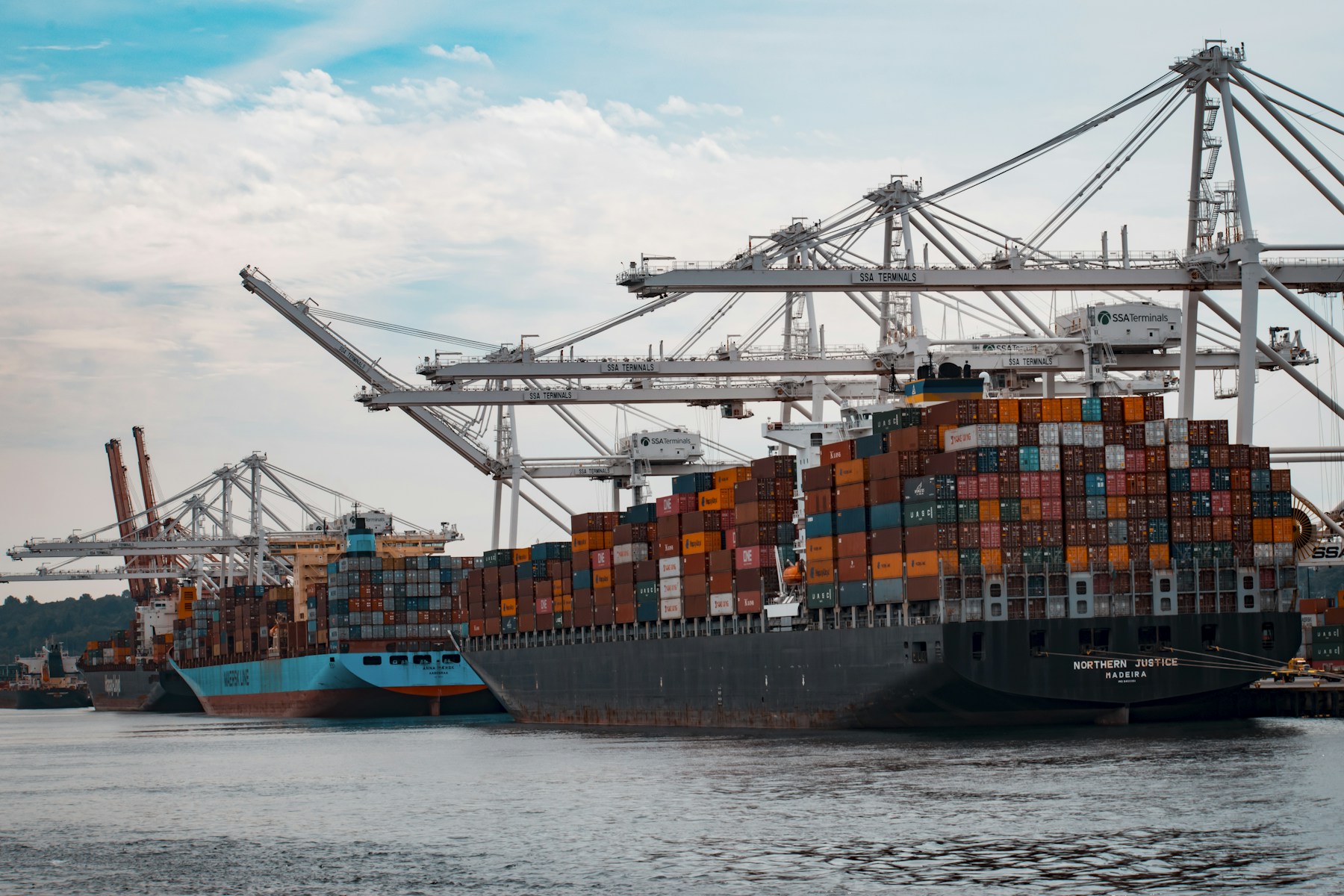
Image credit: Original photograph via Unsplash.
References: WTO, Global Trade Statistics, 2026; OECD Economic Outlook, March 2026.