For decades, commercial and industrial enterprises operating in Western Europe could treat grid electricity as a stable, predictable utility. That era of low-friction operational planning has ended. As structural price pressures mount and grid reliability falters, the burden of ensuring uninterrupted power is shifting from state-regulated utilities directly onto corporate balance sheets. From the Iberian Peninsula to the British Isles, organizations are recognizing that energy resilience is no longer a public guarantee, but a private competitive necessity.
The Structural Reality of High Energy Costs
The persistent upward trajectory of European energy costs is no longer a temporary post-crisis spike, but a permanent structural feature of the continent’s economic landscape. In the United Kingdom, energy regulator Ofgem recently announced a 4% increase in household energy bills, pushing typical costs to a three-year high. While public and political attention remains focused on the domestic consumer impact, the broader economic reality is that high energy prices are structurally entrenched across Europe. The transition away from cheap Russian natural gas, combined with the immense capital expenditure required to modernize aging distribution networks, has established a high floor for wholesale electricity prices.
For industrial operators, these sustained high costs are compounded by extreme intraday price volatility. As European grids integrate a higher percentage of intermittent renewable generation, such as wind and solar, wholesale electricity prices swing wildly depending on weather conditions and time of day. This volatility complicates production scheduling and erodes the margins of energy-intensive sectors, forcing corporate treasury and operations departments to seek alternative methods for stabilizing their energy expenditures.
The Scramble for Physical Resilience
Beyond the financial strain of high tariffs, the physical reliability of European power grids is increasingly coming under question. In Spain and Portugal, a major regional power failure last year exposed the vulnerability of localized distribution networks to sudden supply disruptions. In response, Iberian firms are scrambling to secure battery backup systems. This surge in demand for industrial-scale energy storage is driven by a clear operational calculus: even a momentary voltage drop can halt automated assembly lines, corrupt sensitive manufacturing batches, and trigger days of costly recovery and recalibration.
To mitigate these risks, enterprises are bypassing traditional utility solutions in favor of behind-the-meter (BTM) battery energy storage systems (BESS). When paired with on-site generation assets like rooftop solar arrays, these battery installations allow companies to establish localized microgrids. During normal operations, these systems perform “peak shaving”—charging when power is cheap and abundant, and discharging during peak demand windows to avoid the highest utility tariffs. In the event of a wider grid failure, they act as instantaneous uninterruptible power supplies, ensuring operational continuity without relying on diesel generators, which face tightening environmental regulations.
The Emerging Energy Divide in Corporate Strategy
This shift toward private energy infrastructure is creating a stark divergence in corporate competitiveness. Large-scale manufacturing, logistics, and technology firms with deep capital reserves are rapidly building out proprietary energy buffers. By investing in megawatt-scale battery storage, these organizations can effectively decouple their operational costs from the volatility of the public grid. They can lock in predictable energy expenses, guarantee 100% uptime to their clients, and even generate secondary revenue streams by selling frequency response services back to the grid operator.
Conversely, mid-market manufacturers and smaller enterprises lack the capital to fund these intensive infrastructure upgrades. These firms remain fully exposed to volatile wholesale markets and the physical vulnerabilities of an overstrained public grid. This “energy divide” is poised to become a major determinant of industrial survival in Europe, as resilient companies absorb market share from competitors whose operations are periodically paralyzed by power quality issues or sudden tariff hikes.
The Utility Death Spiral
As the private sector increasingly adopts decentralized energy solutions, public utility providers face a compounding crisis. The high-volume industrial customers who are currently investing in self-reliance have historically been the financial bedrock of the transmission network. As these large consumers reduce their net draw from the grid, the fixed costs of maintaining and upgrading the physical transmission infrastructure must be distributed across a smaller, poorer pool of captive residential and light-commercial customers. This dynamic threatens to drive public grid tariffs even higher, further accelerating the corporate exodus from the public grid and accelerating a destabilizing feedback loop.
Ultimately, the scramble for battery power in Iberia and the structural price increases in the UK are dual symptoms of a continent-wide infrastructure transition. As Europe attempts to rebuild its energy systems on the fly, the organizations that thrive will be those that treat energy not as an external utility to be purchased, but as a strategic asset to be managed, stored, and controlled internally.
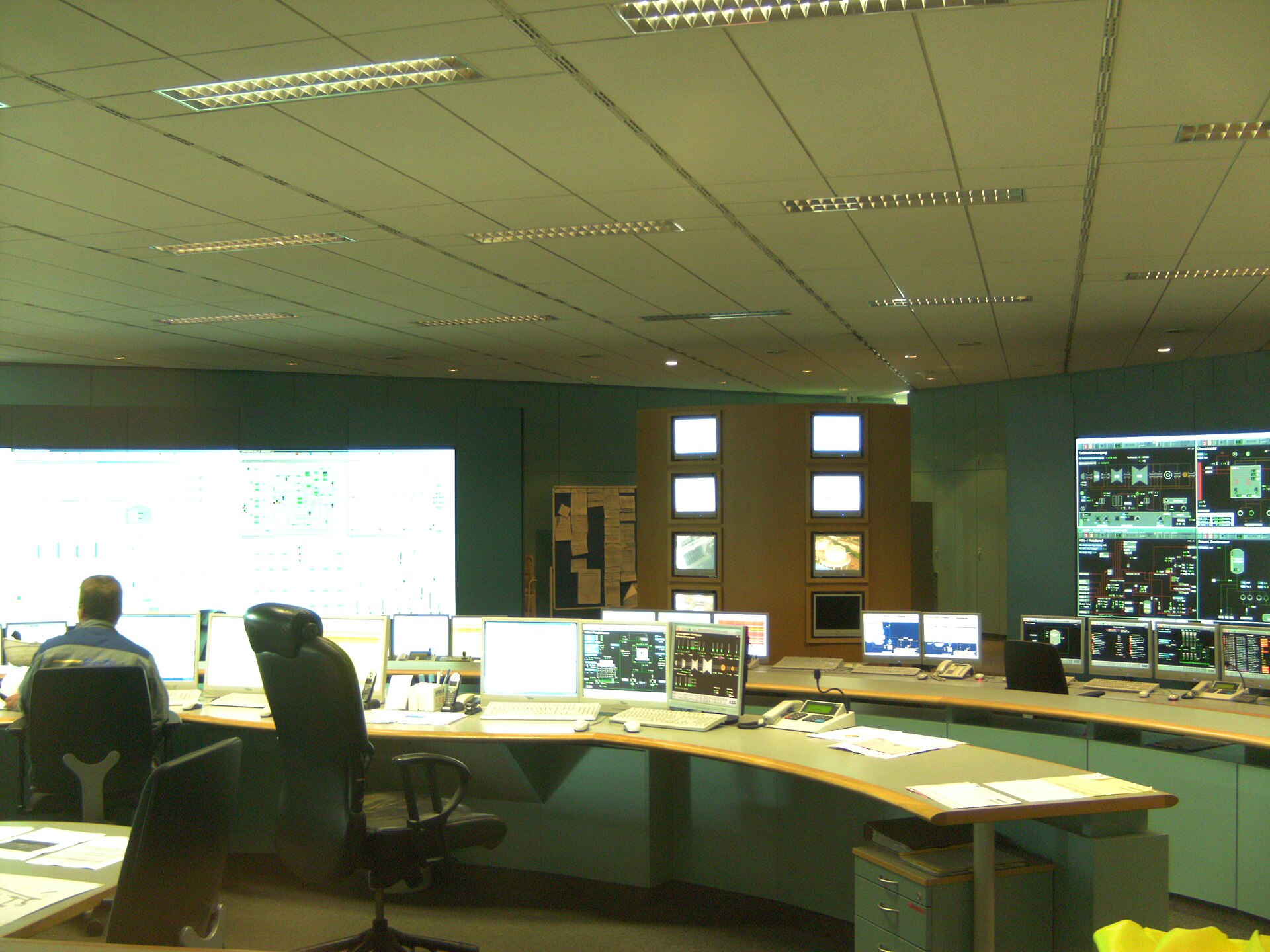
Featured image: Zonk43, Public domain, via Wikimedia Commons.