The operational calculus governing global critical infrastructure has undergone a quiet but radical shift. For decades, telecom providers, utility companies, and data center operators prioritized cost efficiency and rapid scalability, constructing steel-frame server farms, exposed transformer substations, and surface-level fiber junctions. Today, the rapid proliferation of low-cost uncrewed aerial vehicles, precision stand-off munitions, and extreme climate volatility has rendered those surface assets dangerously vulnerable. In response, sovereign state planners and private operators are increasingly looking down—moving essential communications nodes, high-voltage switching gear, and core server clusters tens of meters beneath rock and reinforced concrete.
This physical migration subterranean promises high operational resilience, but it arrives at a severe macroeconomic juncture. As governments and corporations seek to fund complex, labor-intensive underground civil engineering projects, global borrowing costs have surged to multi-year highs. The intersection of rising capital costs and the urgent requirement for subterranean hardening is creating a primary operational bottleneck for national defense planners and infrastructure developers alike.
The Operational Imperative for Deep Burial
Lessons drawn from modern high-intensity conflict zones have demonstrated that traditional perimeter defense and logical cybersecurity measures are insufficient to guarantee operational continuity. Modern drone swarms and long-range artillery can paralyze a country’s digital and energy backbone without ever penetrating a corporate firewall. Surface facilities present clear radar and optical signatures, making them easily targetable assets in any kinetic disruption effort.
To mitigate these vulnerabilities, infrastructure architects are pursuing aggressive physical redundancy strategies centered on deep burial:
- Subterranean Server Vaults: Repurposing decommissioned cold-war bunkers, subterranean granite quarries, and deep utility tunnels to house high-density compute nodes and national optical transport networks.
- Underground Power Hubs: Sinking high-voltage direct current (HVDC) switching stations and critical power distribution infrastructure beneath municipal streets or inside mountain caverns to insulate them from missile strikes and physical sabotage.
- Geothermal and Passive Cooling Integration: Utilizing deep groundwater networks and subsurface bedrock as thermal sinks, eliminating the need for vulnerable external cooling towers on facility roofs.
By removing active visual footprints and placing tens of meters of solid rock between strategic hardware and potential threats, subterranean deployment transforms critical facilities from soft targets into highly resilient operational strongholds.
Macroeconomic Frictions and Soaring Capital Requirements
While the strategic logic of subterranean hardening is compelling, its execution requires massive up-front capital investments. Excavating thousands of cubic meters of solid rock, installing blast-resistant structural bulkheads, and constructing specialized deep-shaft ventilation systems can increase baseline civil engineering expenditures by 300 to 500 percent compared to traditional surface construction.
This surge in project expenditure comes precisely as capital markets become significantly less forgiving. Benchmark sovereign bond yields across major economies—including the United States, the United Kingdom, Germany, and Japan—have climbed aggressively. Driven by sustained energy market volatility, persistent wage pressure, and vast sovereign debt issuance, long-term borrowing costs are remaining elevated for an extended period.
Furthermore, capital allocation is intensely competitive. Technology firms and utilities are simultaneously pouring hundreds of billions of dollars into artificial intelligence compute infrastructure, grid decarbonization, and supply chain re-shoring. When combined with elevated debt servicing costs, the extreme capital intensity of subterranean civil engineering threatens to delay or downsize essential infrastructure hardening programs.
Strategic Implications for Sovereign Continuity
The tension between security imperatives and financial reality will force major structural adaptations across both public and private sectors over the coming decade:
- Divergence in Infrastructure Resilience: Well-capitalized state entities and major tech conglomerates will successfully construct hardened underground nodes, while smaller regional utilities and cash-strapped municipalities remain tied to vulnerable surface assets.
- Regulatory Depth Mandates: Defense and intelligence agencies are likely to introduce stricter physical standards for private entities operating critical national infrastructure, mandating minimum burial depths or structural blast resistance for key data conduits and power nodes.
- Supply Bottlenecks in Specialized Civil Engineering: Demand for heavy tunneling machinery, specialized low-carbon high-strength concrete, and subsurface thermal management systems will outpace global supply, driving up project timelines and civil engineering costs.
Ultimately, the era of cheap, exposed surface infrastructure is yielding to a harsher geopolitical and economic climate. Organizations and governments that fail to account for both the physical necessity of subsurface protection and the financial realities of high interest rates risk leaving their most vital systems exposed to sudden disruption.
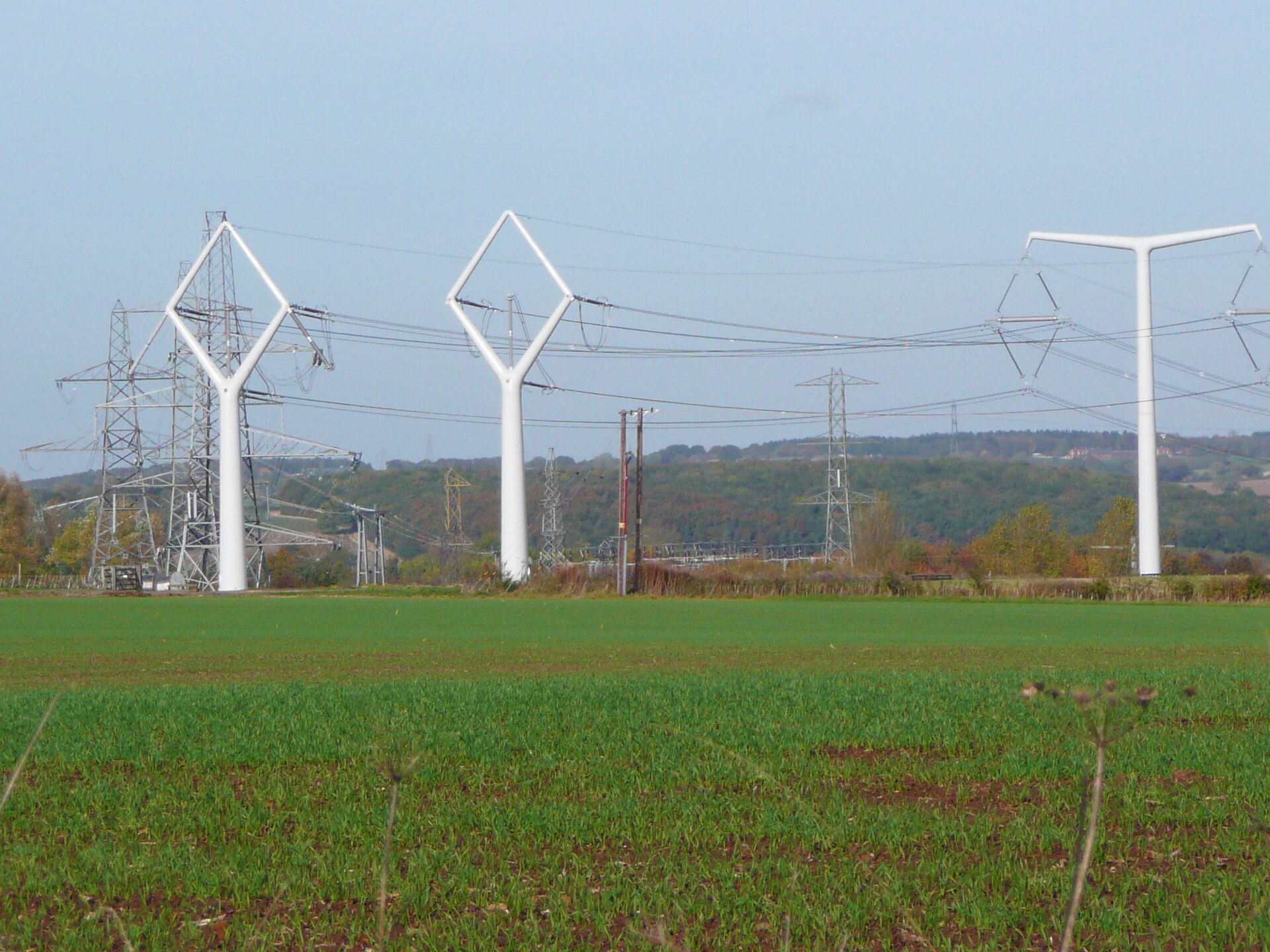
Featured image: Humphrey Bolton, CC BY-SA 2.0, via Wikimedia Commons.