The operational continuity of downstream energy infrastructure is facing an unprecedented period of structural stress. Recent disruptions at major processing nodes highlight a growing operational reality: centralized hydrocarbon refining facilities and cross-border transport routes are increasingly exposed to unannounced tactical strikes, drone incursions, and broader regional volatility. As energy security becomes tightly interwoven with sovereign defense posture, the physical vulnerability of processing complexes threatens to create localized fuel panics, disrupt regional utility generation, and alter global supply dynamics.
In North Africa, a severe fire at Libya’s pivotal Zawiya oil refinery—the result of a third drone strike within a forty-eight-hour window—underlines how rapidly operational integrity can be compromised. Facilities like Zawiya do not merely process crude for export; they function as critical anchors for domestic power grids, municipal transport, and regional commercial activity. When such key refining nodes are subjected to repeated aerial targeted fire, the resulting damage ripples far beyond the physical footprint of storage tanks and distillation columns, triggering immediate supply rationing and emergency political interventions.
Asymmetric Vectors and Asset Protection Challenges
The escalation of tactical aerial attacks against processing assets reveals a shift in modern conflict dynamics. Fixed industrial infrastructure was traditionally shielded by geographical depth or localized perimeter defense systems. However, the widespread availability of low-altitude unmanned aerial vehicles and long-range ballistic weaponry has flattened strategic distance, exposing energy facilities to high-impact disruption at relatively modest operational cost.
Similar patterns of intense regional air activity and infrastructure exposure are unfolding across adjacent theaters. Reports from the United Nations peacekeeping mission in southern Lebanon recorded hundreds of artillery projectiles and dozens of airspace breaches over a single weekend, demonstrating the intensity with which tactical operations can engulf surrounding economic and transport infrastructure. Meanwhile, in Eastern Europe, Ukrainian authorities report the continuous deployment of advanced ballistic systems, including North Korean-supplied missiles, targeting industrial and civilian logistics networks. Across these distinct regions, the recurring motif is clear: physical energy and industrial assets are serving as primary operational friction points in multi-domain conflicts.
Industrial operators and state-backed energy enterprises face acute structural challenges in mitigating these risks:
- Capital Offense vs. Defense Asymmetry: Protecting sprawling, multi-hectare industrial complexes against low-cost, multi-directional aerial platforms requires capital-intensive air defense systems that are often scarce or strategically prioritized elsewhere.
- Supply Chain Interdependence: A single breach in primary catalytic cracking units or localized storage infrastructure can halt operations across an entire refining hub, forcing downstream distributors to rely on costly maritime imports.
- Insurance and Capital Allocation Pressures: Insurers operating in high-risk littoral and strategic corridors are adjusting premium structures or withdrawing coverage entirely, increasing capital costs for state oil firms and private partners alike.
Economic Cascades and Downstream Volatility
When refining operations are unexpectedly offline, the economic consequences cascade rapidly through local and regional economies. Unlike upstream crude production, which can often be redirected through alternative pipeline hubs or offshore loading terminals, downstream refining requires complex chemical processing tied to specific local demand profiles. The loss of refined fuel output immediately squeezes power generation utilities, municipal transport networks, and localized industrial output.
Furthermore, the financial burden of rapid repair and alternative fuel procurement strains national balance sheets, particularly in nations already contending with fiscal imbalances. Energy security planners are consequently forced to evaluate costly strategic redundancies, such as decentralized fuel storage reserves, hardened processing units, and enhanced counter-drone surveillance networks. Without sustained capital reinvestment in asset protection, energy transit hubs remain highly sensitive to single-point operational failures.
Strategic Realignments in Industrial Energy Governance
Looking ahead, energy executives and sovereign planning bodies must move beyond conventional risk management paradigms that treat physical security as a secondary operational concern. The converging realities of geopolitical friction, tactical weapon proliferation, and vulnerable physical supply chains demand a systemic rethinking of energy layout and governance.
Governments in vulnerable energy-producing corridors are likely to accelerate efforts to diversify processing points and construct subterranean or redundant storage networks. However, these infrastructure shifts require long lead times and substantial capital commitments. In the near term, regional energy networks will remain susceptible to acute supply shocks, keeping energy security at the top of the global economic agenda.
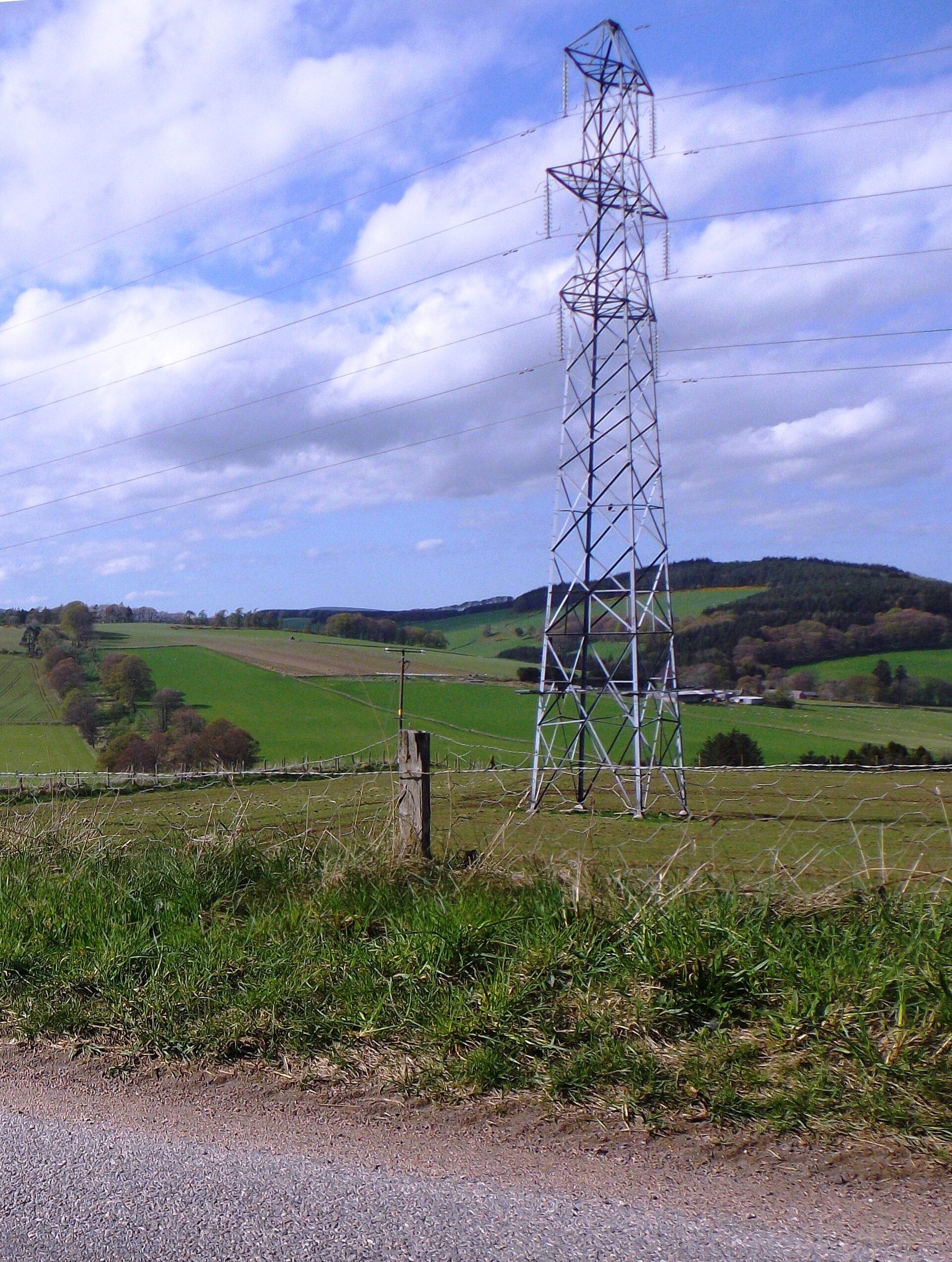
Featured image: Stanley Howe, CC BY-SA 2.0, via Wikimedia Commons.
Sources
Information for this report was gathered from the following reporting: