The scale of capital required to sustain the next phase of technological expansion is forcing a fundamental restructuring of global corporate finance. For years, the growth of frontier technology was characterized by asset-light software models, funded by venture capital and driven by rapid, scalable margins. Today, however, the physical reality of advanced computation has caught up with the industry. The massive energy, cooling, and hardware requirements of modern artificial intelligence have transformed compute from a digital service into a capital-intensive, heavy infrastructure asset class.
This transition is highlighted by a massive $500 billion financing initiative led by Wall Street giants to fund Nvidia-backed infrastructure projects. This capital, structured to develop new data centers housing vast arrays of high-density silicon processors, represents a scale of investment typically reserved for national utility grids, transport networks, or sovereign energy projects. At the same time, even highly capitalized aerospace pioneers like SpaceX are experiencing market friction as they disclose substantial capital expenditure plans dedicated to AI development, leading to a decline in their private market valuation. Together, these developments signal that the frontier tech sector is entering a new era defined by massive physical construction and complex financial engineering.
The Shift to Utility-Scale Financing
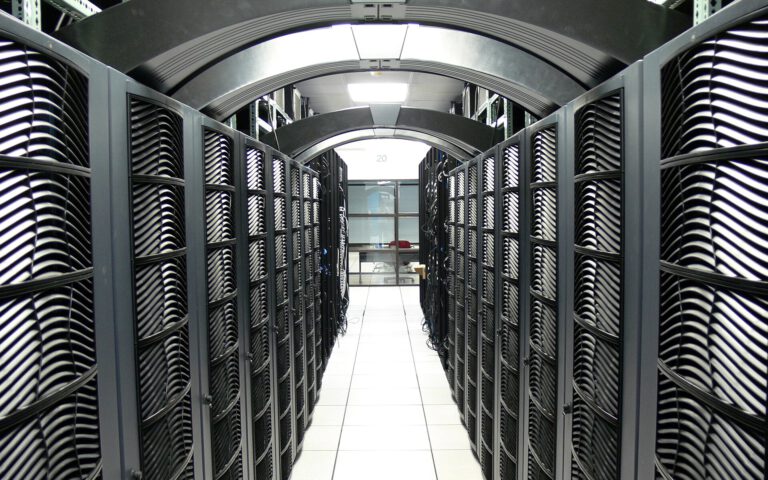
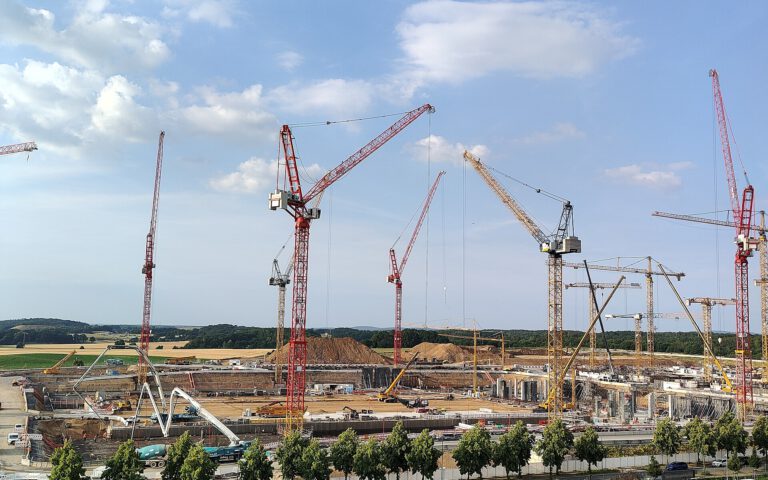
The $500 billion commitment from institutional investors to fund Nvidia’s infrastructure pipeline represents a departure from traditional corporate R&D funding. Instead of relying solely on corporate balance sheets or equity dilution, the technology sector is increasingly turning to structured debt and infrastructure-style financing. This model is designed to fund the physical foundations of compute: land acquisition, high-capacity power grid connections, advanced liquid cooling systems, and specialized real estate.
By treating data centers as yield-generating infrastructure assets—similar to toll roads or fiber-optic networks—Wall Street is institutionalizing the supply chain of artificial intelligence. This shift has several major implications for the broader economy:
- Capital Concentration: The sheer volume of capital required to participate in frontier tech development is consolidating power among a handful of mega-corporations and elite financial consortia, raising barriers to entry for smaller innovators.
- Asset Securitization: As physical compute infrastructure becomes more standardized, financial markets are likely to develop new securitized products backed by data center revenues, further integrating technology development with global debt markets.
- Supply Chain Locking: Massive upfront capital commitments allow leading hardware providers to lock in long-term supply agreements, securing their market dominance and shaping the geography of global data processing.
Market Friction and the CapEx Dilemma
While institutional lenders are eager to finance physical assets, equity markets are displaying growing sensitivity to the immense capital expenditure (CapEx) profiles of frontier enterprises. The recent reaction to SpaceX’s financial disclosures illustrates this tension. Despite its dominant position in satellite communications and aerospace, the company saw its valuation decline after its first detailed earnings report revealed aggressive spending plans directed toward AI capabilities. Investors, accustomed to high margins and clear paths to profitability, are beginning to question the timeline for returns on these massive infrastructure investments.
This friction highlights a growing divergence between the long-term physical requirements of frontier tech and the short-term performance expectations of public and secondary markets. Building, powering, and cooling the physical infrastructure of modern compute requires multi-year development cycles. During these phases, capital is locked up in non-productive assets, depressing free cash flow and testing investor patience. For executives, managing this “CapEx drag” while maintaining market confidence has become a primary strategic challenge.
The Geopolitical and Environmental Footprint
As compute infrastructure scales to meet Wall Street’s funding commitments, its physical footprint is becoming a matter of geopolitical and environmental significance. Data centers are no longer discreet warehouses; they are industrial-scale energy consumers that strain local power grids and water supplies. The requirement to cool vast arrays of high-performance processors has forced tech operators to negotiate directly with municipal utilities and sovereign energy providers, embedding technology strategy into national resource management.
Furthermore, the concentration of physical compute assets in specific geographic corridors creates new operational vulnerabilities. Power grid instability, water scarcity, and localized regulatory changes now pose direct risks to the continuous operation of global digital networks. Consequently, the success of these massive capital deployments will depend not only on technological superiority but also on the ability of operators to secure stable, long-term access to energy and water infrastructure.
A New Paradigm for Corporate Strategy
The financialization of compute infrastructure marks the end of the asset-light era for frontier technology. As Wall Street deploys hundreds of billions of dollars into physical data centers, the metrics of success are shifting from software margins to asset utilization, energy efficiency, and capital cost management. Organizations that fail to adapt to this heavy-infrastructure reality risk being priced out of the market, while those that successfully navigate the transition will control the foundational utilities of the modern global economy.
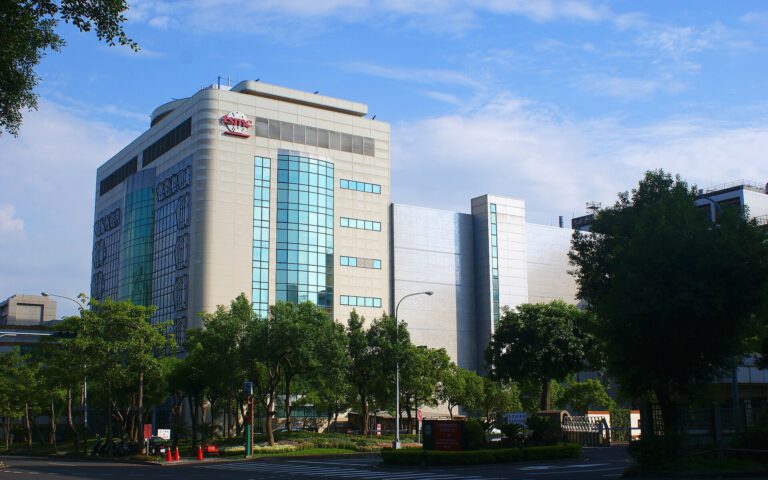
Featured image: AgainErick, CC BY-SA 4.0, via Wikimedia Commons.