For nearly a century, the commercial aviation industry has operated on a premise of atmospheric predictability. Flight schedules, fuel planning, and aircraft designs were optimized around historical meteorological baselines. However, as the global climate system undergoes rapid destabilization, this foundational assumption of predictability is collapsing. The global airspace is becoming hotter, stormier, and more volatile, forcing a fundamental reassessment of how airlines, airports, and logistics networks manage risk.
The Atmospheric Friction of a Warming Planet
The physical mechanics of flight are directly bound to atmospheric conditions. As global temperatures rise, the air becomes less dense. This reduction in air density has immediate operational consequences: aircraft require more runway length to generate the necessary lift for takeoff, and their maximum payload capacities are significantly curtailed. In extreme heat, airlines must choose between bumping passengers, reducing cargo weight, or delaying flights until temperatures drop. This is no longer an isolated phenomenon in desert hubs; it is increasingly a standard operational constraint across temperate zones during peak summer months.
Beyond the runway, the warming atmosphere is driving more energetic weather systems. Convective storms—characterized by rapid updrafts, severe turbulence, and intense lightning—are growing in frequency and intensity. According to recent meteorological analyses, these shifting weather patterns mean that passengers and operators alike must prepare for a future of persistent delays and diversions. The traditional industry metric of “on-time performance” is being challenged by the physical reality of a more hostile sky, where safety mandates increasingly require pilots to circumnavigate massive storm cells rather than fly through them.
Cascading Nodes and Network Vulnerability
The fragility of modern aviation lies in its hub-and-spoke architecture. Because major airports operate near peak capacity, a disruption at a single critical node rapidly cascades through the entire global network. This vulnerability was vividly demonstrated recently in Indonesia, where a volcanic eruption forced the suspension of flights at Jakarta’s main international airport, leaving more than 20,000 passengers stranded. While volcanic ash represents a distinct geological hazard, its operational impact mirrors that of severe weather: sudden, non-negotiable airspace closures that disrupt crew rotations, aircraft positioning, and global supply chains for days.
When atmospheric or geological events shut down a major hub, the financial consequences are severe. Airlines must absorb the costs of rerouting flights, accommodating stranded passengers, and managing idle assets. For cargo carriers, these delays disrupt just-in-time manufacturing pipelines, illustrating how atmospheric volatility directly translates into macroeconomic friction. The warning signs are systemic; even national governments are beginning to signal the need for greater societal preparedness. In the United Kingdom, ministers have recently urged citizens to stock up on food and emergency supplies to prepare for severe winter storms, highlighting a broader shift toward defensive resilience across all critical infrastructure sectors.
From Optimization to Resilience
To survive this era of atmospheric volatility, the aviation sector must pivot from a model of hyper-optimization to one of systemic resilience. This transition requires significant capital investment and a willingness to accept lower asset utilization rates in exchange for operational buffers. Key areas of adaptation include:
- Advanced Meteorological Modeling: Integrating real-time, AI-driven weather forecasting into flight dispatch systems to predict convective turbulence and airspace bottlenecks hours before they materialize.
- Infrastructure Hardening: Extending runways at high-altitude and high-temperature airports, and upgrading drainage and wind-resistance systems at coastal hubs vulnerable to sea-level rise and storm surges.
- Dynamic Scheduling: Moving away from rigid, year-round timetables toward flexible scheduling models that build in larger buffers during seasons of known atmospheric volatility.
Ultimately, the cost of this transition will be borne by the consumer. As airlines carry less payload to cope with heat, burn more fuel to circumnavigate storms, and invest billions in resilient infrastructure, the era of cheap, friction-free air travel is drawing to a close. Passengers will have to accept that delays, cancellations, and longer flight times are not temporary operational failures, but the structural cost of navigating a changing planet.
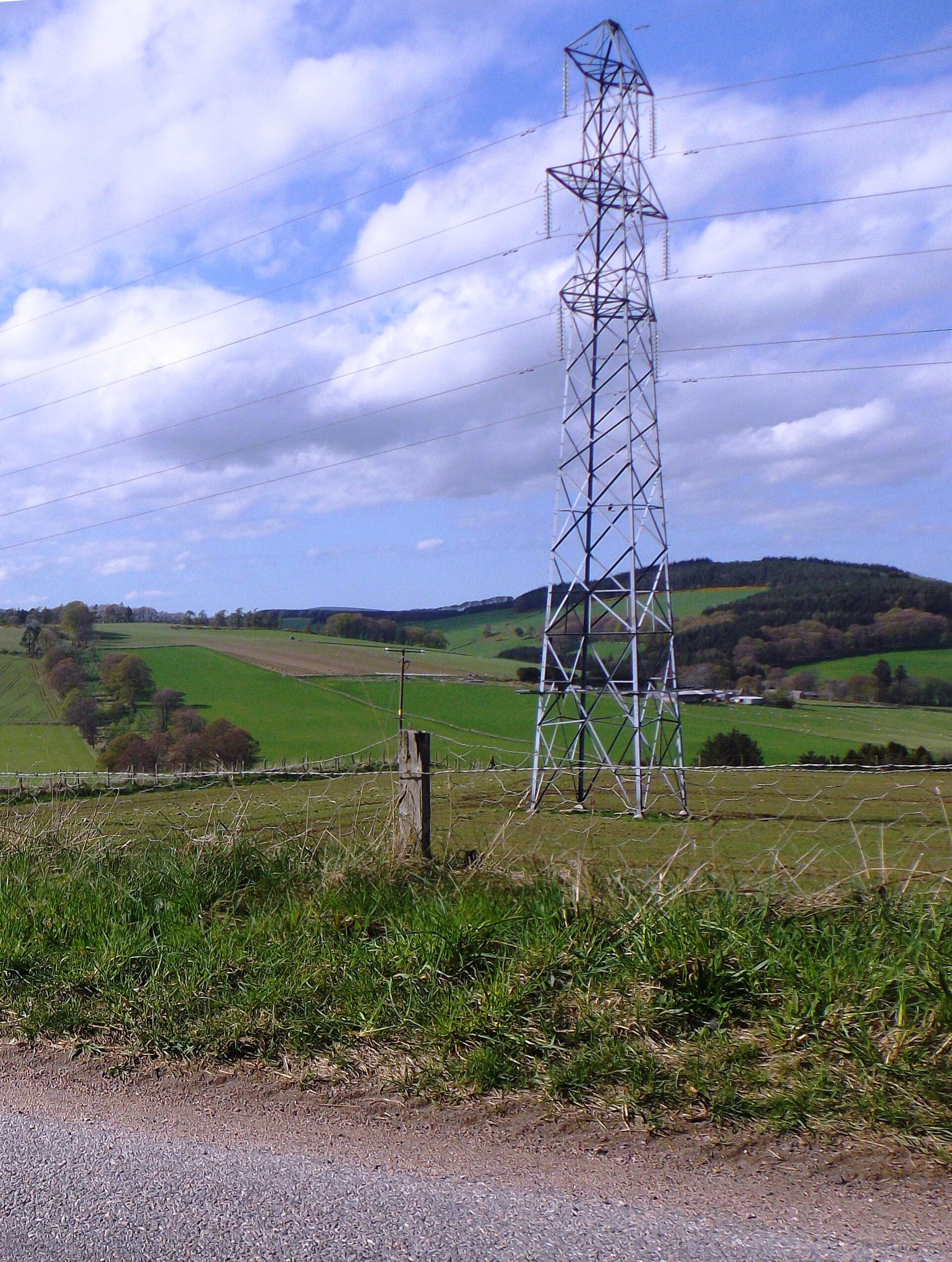
Featured image: Stanley Howe, CC BY-SA 2.0, via Wikimedia Commons.