The Invisible Burden: Resource Demands of Global Digital Infrastructure
The relentless expansion of the digital economy, fueled by artificial intelligence, cloud computing, and ubiquitous connectivity, has long been celebrated for its dematerializing effects. Yet, beneath the veneer of weightless data and instant access lies a rapidly growing physical infrastructure with an increasingly visible and substantial environmental footprint. As organizations worldwide race to digitize operations and leverage advanced computational power, the hidden costs associated with this transformation are beginning to surface, challenging the long-held perception of digital services as inherently efficient or environmentally benign.
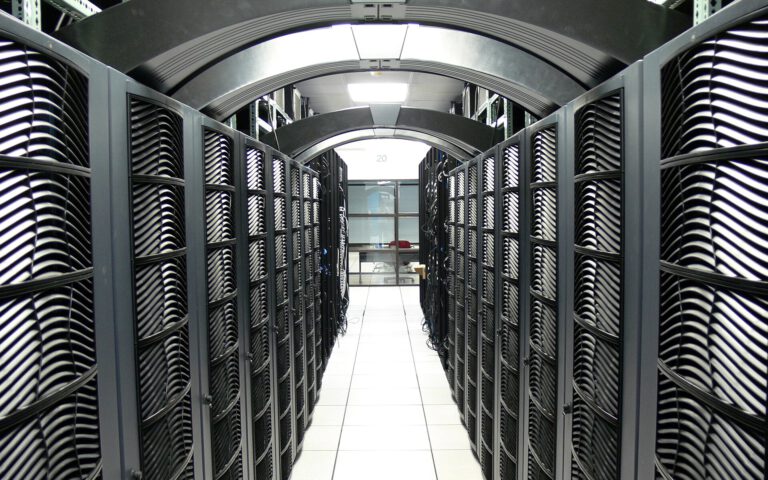
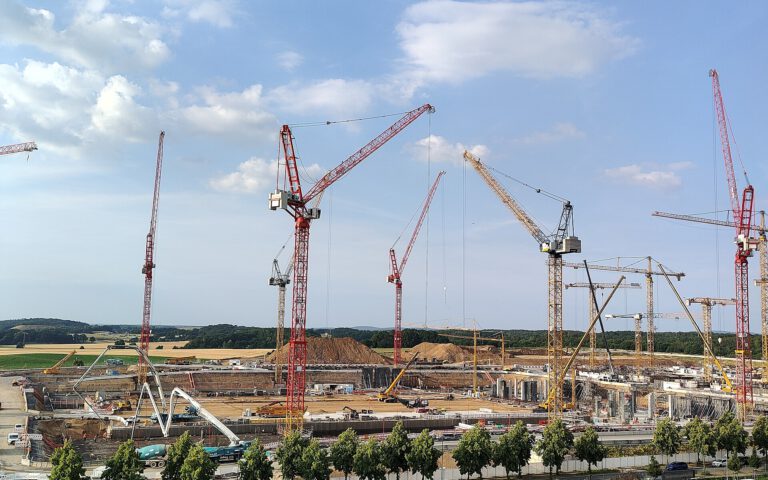
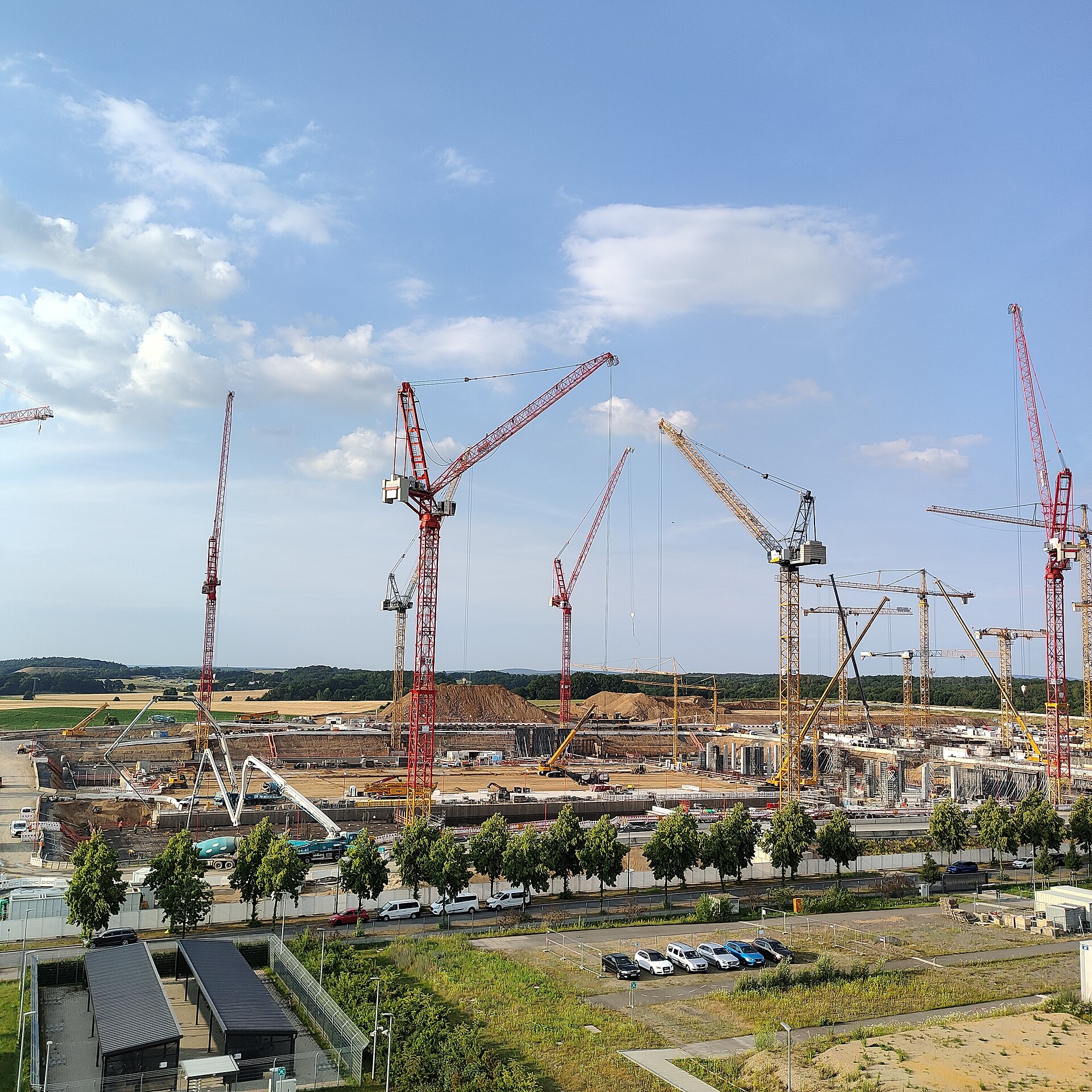
A prime example of this burgeoning challenge is the explosive growth of AI data centers across the globe. In Australia, for instance, a significant boom in data center construction is underway, driven by the escalating demand for processing power required by artificial intelligence models. While proponents highlight the potential for job creation and technological advancement, critics and environmental advocates raise serious concerns about the immense resource consumption these facilities entail. Data centers are notoriously power-hungry, requiring vast amounts of electricity to run servers and, crucially, to cool them. This demand places considerable strain on existing energy grids, often necessitating the construction of new power generation facilities or increasing reliance on fossil fuels, thereby exacerbating carbon emissions.
Beyond electricity, water consumption is another critical, often overlooked, aspect of data center operations. Cooling systems frequently rely on evaporative cooling, which can consume millions of gallons of water annually for a single large facility. In regions already grappling with water scarcity, the proliferation of these resource-intensive installations presents a direct conflict with local environmental sustainability goals and community needs. The promise of digital innovation, therefore, comes with a tangible trade-off, forcing a re-evaluation of the true “cost” of advanced computing infrastructure.
This physical burden is not merely an environmental concern; it translates directly into economic realities that are beginning to impact service providers and end-users alike. The rising operational costs associated with powering and cooling these massive digital factories are becoming a significant factor in business models. This trend is evident in the cloud gaming sector, where the resource intensity of streaming high-fidelity games has led to adjustments in service offerings. Recently, a major platform announced new limitations on cloud gaming hours for its subscribers, explicitly citing the “rising cost of cloud gaming” as the rationale. This move underscores a broader truth: the seemingly infinite scalability of cloud services is encountering very real physical and economic constraints.
For organizations, these developments signal a critical shift. The era of cheap, boundless compute resources may be drawing to a close. Businesses heavily reliant on cloud infrastructure for everything from enterprise applications to AI development must now factor in escalating energy costs, potential water usage restrictions, and the overall environmental impact into their strategic planning. This includes not only direct operational expenses but also the increasing scrutiny from regulators, investors, and consumers who are demanding greater transparency and accountability regarding corporate environmental performance.
The implications extend beyond individual companies to national infrastructure and industrial policy. Governments are increasingly recognizing the strategic importance of data centers, not just as economic drivers but as critical components of national security and resilience. However, they are also confronting the challenges of integrating these energy-intensive facilities into existing grids without compromising stability or sustainability targets. The need for robust, resilient, and environmentally responsible energy and water infrastructure to support digital growth is becoming paramount, driving investment in renewable energy sources and more efficient cooling technologies.
Ultimately, the global digital boom is forcing a reckoning with its physical limits. The narrative of an ethereal “cloud” must give way to an understanding of the concrete, material demands of computation. This shift necessitates a more holistic approach to digital strategy, one that integrates environmental stewardship and resource efficiency alongside technological advancement. Organizations that proactively address these challenges, by optimizing their digital footprints, investing in green data solutions, and advocating for sustainable infrastructure, will be better positioned to navigate the evolving landscape of digital competition and operation.
The dilemma is clear: continue on a path of unchecked digital expansion with mounting environmental and economic costs, or pivot towards a model of responsible innovation that acknowledges and mitigates the physical toll of our increasingly digital world. The choices made today regarding data center development, energy sourcing, and water management will define the sustainability and accessibility of tomorrow’s digital frontier.
Featured image: Bybbisch94, CC BY-SA 4.0, via Wikimedia Commons.