The global apparel sector is witnessing a decisive structural friction as ultra-fast fashion platforms encounter two opposing forces simultaneously: the institutional validation of public equity markets and the rapid acceleration of state-imposed trade disincentives. The long-awaited public listing of cross-border e-commerce titan Shein on the Hong Kong Stock Exchange—achieving a market valuation of approximately $26 billion—marks a critical milestone for digital-native retail. Yet, this public market debut coincides directly with aggressive legislative interventions in key consumer jurisdictions, highlighted by France’s newly enacted fee framework targeting ultra-fast fashion platforms, which could impose levies reaching up to €20 per item by the end of the decade.
This dynamic illustrates a broader transformation in global e-commerce. For nearly a decade, hyper-agile supply chains leveraged data-driven demand forecasting, ultra-short production cycles, and direct-to-consumer parcel shipping to achieve extraordinary growth rates while circumventing traditional retail overheads. Today, that border-frictionless operational model is entering a far more constrained environment, where national regulators, environmental policymakers, and tax authorities are erecting systemic hurdles to curb the macroeconomic and ecological impacts of high-volume, low-cost consumer imports.
Market Realities and the Public Valuation Shift
Shein’s initial public offering in Hong Kong concludes years of complex regulatory negotiations and jurisdictional pivots following stalled attempts to list in New York and London. While securing a $26 billion valuation provides the company with substantial capital and market legitimacy, the pricing reflects a notable contraction from earlier private funding rounds, where valuation figures surpassed $100 billion at their peak. Equity markets have increasingly factored in the persistent regulatory, geopolitical, and supply chain exposure inherent to hyper-concentrated manufacturing models.
The operational core of ultra-fast fashion relies on real-time consumer telemetry to trigger micro-batch production runs in contract garment factories, predominantly located in China. By manufacturing items in small initial batches—often as few as 100 units—and scaling production only when digital engagement signals demand, these platforms minimize inventory risk and write-downs. However, as public companies, these entities face heightened transparency requirements regarding labor practices, material sourcing, and carbon footprints, compounding the compliance burden across multiple sovereign legal systems.
Legislative Counterweights: The Friction of Per-Unit Levies
Concurrently, major consumer markets are deploying fiscal policy to counteract the competitive advantages enjoyed by cross-border digital platforms. France’s pioneering legislation targeting ultra-fast fashion platforms like Shein and Temu establishes a clear precedent for regulatory intervention in consumer retail. By levying incremental fees tied to environmental impact and fast-turnover retail practices, European lawmakers seek to internalize the systemic costs associated with textile waste, carbon-intensive air freight, and market distortion.
These regulatory mechanisms directly threaten the unit economics of the ultra-fast fashion business model. Key regulatory vectors include:
- Environmental Penalties: Progressive per-garment surcharges designed to increase retail prices on hyper-cheap apparel, neutralizing the core price advantage that drives impulse purchasing.
- De Minimis Loophole Closures: Legislative pushes across Europe and North America to strip duty-free thresholds for low-value individual air freight packages, forcing cross-border shipments into formal customs inspection queues.
- Extended Producer Responsibility (EPR): Stringent mandates compelling platforms to fund localized end-of-life recycling programs, municipal waste management, and sustainable material certifications.
- Advertising Restrictions: Constraints on digital marketing practices, algorithmic promotion, and influencer-led consumer targeting within specific European jurisdictions.
When combined, these measures chip away at the thin operating margins characteristic of ultra-low-cost retail. A surcharge of several euros per item fundamentally alters the consumer value proposition when the base price of garments often ranges between $5 and $15.
Logistical Reconfiguration and the Future of Cross-Border Trade
In response to rising friction at national borders, platform operators are forced to re-engineer their global supply chain architectures. The reliance on centralized air cargo shipments directly from Asian manufacturing hubs to western doorsteps is becoming increasingly costly and vulnerable to trade policy shifts. To mitigate these risks, ultra-fast fashion firms are accelerating regionalization strategies, investing in localized fulfillment hubs, and building nearshore manufacturing partnerships in regions such as Latin America, Eastern Europe, and Southeast Asia.
This structural pivot transforms direct-to-consumer platforms into more traditional multi-hub logistical entities. While local warehousing and nearshore production reduce delivery times and bypass individual customs checks, they simultaneously increase capital expenditures, inventory risk, and operational complexity. The strategic challenge moving forward lies in maintaining the algorithmic agility that fueled initial growth while navigating an increasingly fragmented regulatory landscape.
Ultimately, the simultaneous public listing of market leaders and the enactment of punitive fiscal measures signals the end of the frictionless era for cross-border e-commerce. As states assert sovereign authority over digital market entry, waste governance, and trade fairness, global consumer platforms must adapt to a business environment defined by higher baseline costs and mandatory regulatory compliance.
Sources
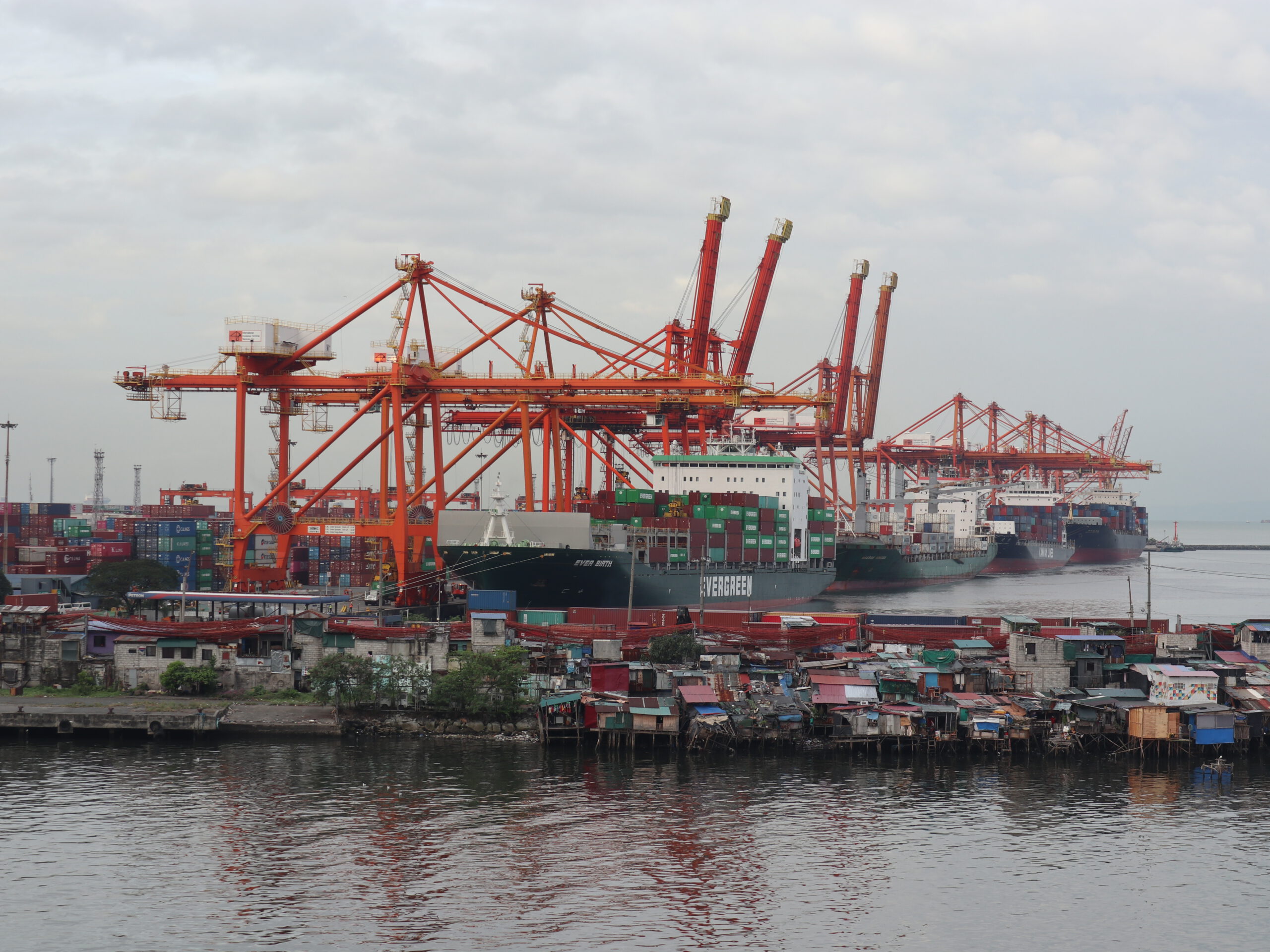
Featured image: Patrickroque01, licensed BY-SA, found via Openverse.